Keep the Outdoor Heat Pump Breathing Through Winter: Clear the Snow Line First
Heat pump adoption keeps climbing, so check the outdoor unit's airflow, defrost path, and winter access before the first storm.
Furnaces, heat pumps, central air, and the ductwork that ties it all together: tune-ups, diagnostics, and the repairs worth doing yourself.
Heat pump adoption keeps climbing, so check the outdoor unit's airflow, defrost path, and winter access before the first storm.
Heat pumps are spreading through new homes, but a retrofit owner needs to check the backup heat, defrost cycle, and airflow on the equipment already in the house.
A humming outdoor unit with a sluggish fan often points to the run capacitor, and a multimeter can confirm or clear it in a few minutes with the power off.
Condensation on a cold refrigerant line points to the insulation, its seams, and the surface temperature, and you can check all three with a thermometer and a flashlight before the next humid stretch.
Radiant ceiling heat warms the objects and people in a room directly, so judge it by how the room feels and what the surfaces read, not by the air number on the wall.
The furnace's temperature rise is printed on its data plate, and a ten-minute pair of readings tells you whether the airflow matches it.
A running furnace can still be working against its own ductwork, and a two-port manometer shows you by how much before you call anyone.
A ceiling fan set to its winter direction at low speed can move warm air that has collected near the ceiling back down into the room, and a few checks confirm the switch and wiring are doing their job.
A deal headline about a mechanical contractor says little about your furnace, but the word complex can be measured in your own house before you compare bids.
Midterm-driven talk about A3 refrigerant policy does not change your unit today, but it can change the price and paperwork of the next repair or replacement, so ask the right questions while the quote is still open.
A recessed heater that disappears into the ceiling is only as serviceable as the access you plan before the drywall closes.
Pending state refrigerant policy is worth tracking, but the useful step for a homeowner is recording what is already in the system and knowing what to ask before a replacement quote arrives.
A more flammable refrigerant changes the tools, training, and paperwork behind a service call, so ask about those before a rule forces the switch.
A custom electric heater is only as manageable as its control paperwork, so get the sequence in writing before the crew leaves.
A recessed infrared heating case study shows why a homeowner should check the room's surfaces, the circuit, and the ceiling cavity before any radiant unit goes up.
Rules about refrigerants move through statehouses, but the answer to what your system uses sits on a data plate you can photograph today.
Check the fan switch, the heat call, and the emergency heat setting on your thermostat so a winter service visit starts from facts instead of guesses.
A replacement part with a different origin or a near-match model number can change your warranty, your fit, and your next service call, so check both before the swap starts.
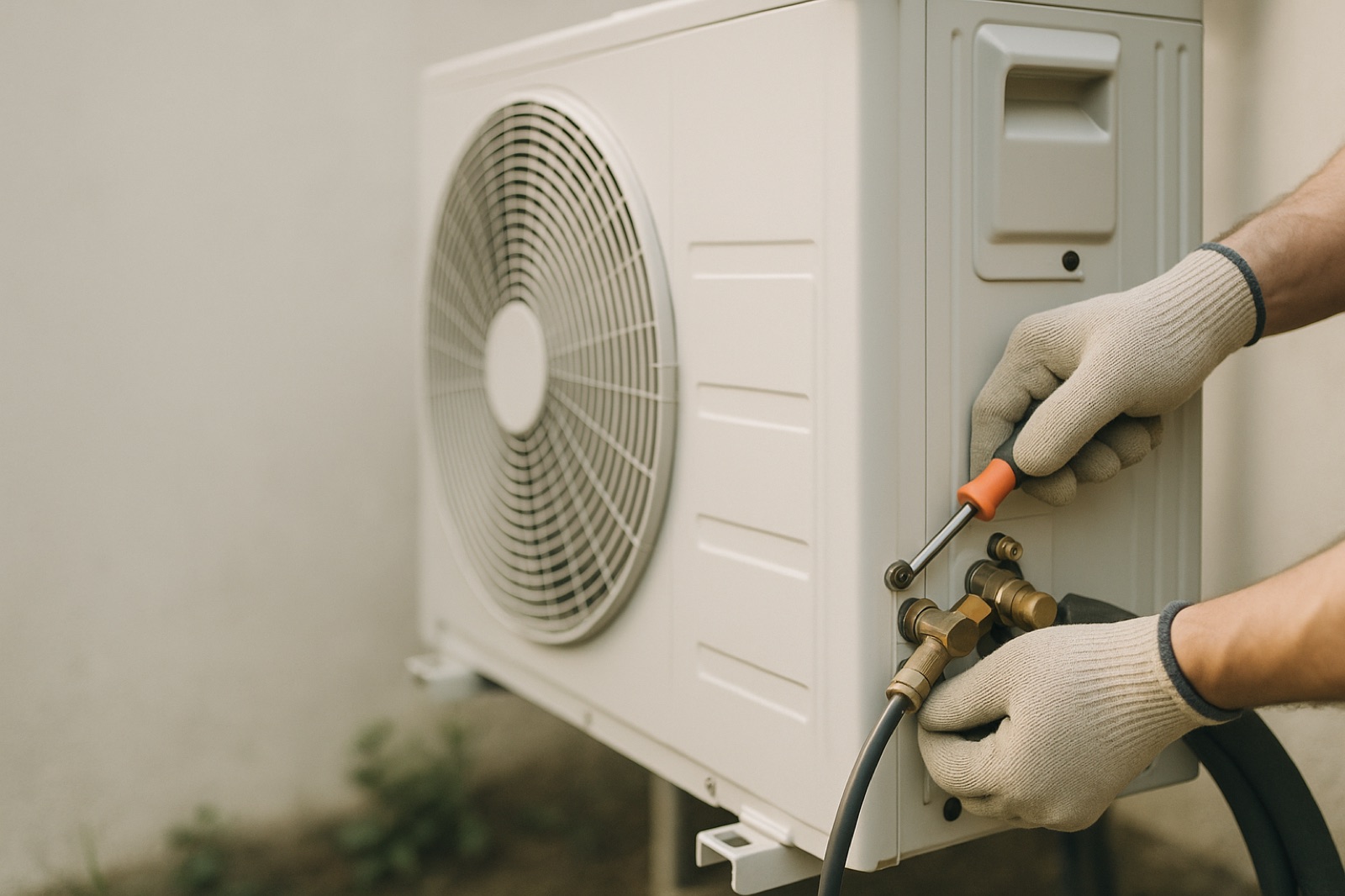
Snow, drifts, and debris can choke the airflow your outdoor unit needs, and a few minutes with a tape measure and a simple log can catch the problem before the next cold snap.
Current ACHR News coverage of data center liquid cooling gives a useful lens for the loops already in your house, along with a few checks you can run yourself.
A heat pump that steams, pauses, and blows cooler air for a few minutes may be doing its job, and a short written log shows whether it is.
A wood stove or gas log set only works as well as its flue, so walk the damper, cap, and firebox before the first fire of the season.
Bath fans, range hoods, and dryers can pull combustion gases back into a house, so test the draft at the hood with every exhaust running before the cold nights arrive.
ACHR News reports that Bosch launched a homeowner app and a remote support feature, so here is what a homeowner should check on site before anyone connects.
A house occupied from breakfast to dinner needs a different heating check than one that sits empty, and the thermostat is the last place to start.
A reroof moves every flue, intake, and exhaust termination on the house, so log each one before the old shingles come off.
A furnace reading covers one appliance, so ask the service report to name every fuel-burning source in the house and list what was left untested.
A replacement quote is a list of physical parts, so walk each line item at the outdoor pad and indoor unit before the price settles the scope.
A homeowner's budget guess can steer a replacement call off course before the first number is on paper, so write down your ceiling and your target first.
A slow drain and a stuck float switch are easy to check with a cup of water and a multimeter, and finding them early keeps a cooling system from shutting down on a hot afternoon.
Manufacturers are cutting refrigerant with smaller tubing, which makes the readings that prove a charge is right matter more, and a homeowner can check the visible parts of the line set without ever opening the refrigerant side.
A closet full of network and computer gear adds steady heat that a hallway thermostat never sees, so measure it, route it, and log it before you size anything.
A differential gauge can show whether exhaust fans are pulling air through the wrong paths, but only if you record the reference point and the fan state every time.
Two ACHR News items on data center cooling point to habits a homeowner can use in an ordinary mechanical room.
Commercial heating and immersion cooling coverage from ACHR News raises a question every homeowner can test: can someone reach the equipment, read it, and service it without tearing the house apart?
A balanced supply and return reading only describes the operating state it was taken in, so write that state down with every number.
A big cooling number is a unit problem first, so put every figure on the same scale before you decide what it means for your own equipment.
A setback schedule can leave the outdoor air damper closed longer than you expect, and a short check with a marker and a multimeter will show whether your system does that.
The doorway problem that supermarkets solve with air curtains shows up in a house as moisture that keeps the cooling coil busy after the thermostat looks satisfied.
A November walk-around of the condenser catches debris, bent fins and electrical trouble while you can still see them, and gives you numbers to compare next spring.
Market recovery in cooling equipment tells you about factories and distributors, so judge your own replacement quote by your house's measured load and the installer's written numbers.
AI can point you toward a likely fault in seconds, but every suggested adjustment to your cooling system still needs a meter reading and a manufacturer source behind it.
A sealed garage-to-house door can still leak when fans and appliances push air across it, so measure the pressure difference before you buy more weatherstrip.
A supermarket air curtain shows how much a doorway can cost, and a worn entry seal at home deserves the same scrutiny before you size anything new.
Map each thermostat wire against the control board, verify it with a meter, and write the record down before the new head unit goes in.
A condensate drain that is never tested fails at the worst time, so run a short test, watch the float switch, and log the clearing time each season.
A short set of readings taken on a mild afternoon shows whether your furnace or heat pump is ready, and which numbers to trust before you change anything.
A browser dashboard is handy until the connection drops, so find out what your equipment does on its own before a cold night tests it.
The outdoor condenser is your home's heat rejection equipment, and its capacity depends on air moving freely across the coil, so check that airflow now, while the unit is idle.
Every thermostat app, gateway, and building portal has a list of accounts, and that list is part of your equipment whether you have looked at it or not.
Every added appliance, room, or occupant changes the heat your system has to move, so record those changes before you judge the equipment.
A confident answer from an AI tool is only a hypothesis about your heat pump, and the readings you can gather with a meter decide whether it holds.
A condensing boiler's rating only shows up when the water coming back to it is cool enough to condense, so measure the return before you trust the spec sheet.
A bigger condenser can cover a bad sizing decision, so log how your system runs in the heat before you accept a larger unit.
Clearing the path, logging the gauge, and writing down the symptoms can shorten a boiler visit before the technician touches a tool.
Controllers now decide when equipment runs, locks out, and restarts, so a homeowner who can read the sequence and measure the low-voltage side gets a straighter diagnosis.
Federal efficiency minimums for heating and cooling equipment are not a single national line, so a higher rating on a quote may not be the comparison you think it is.
A liquid fuel burner's blend rating and its onboard diagnostics tell you what to watch for, and what to write down, before a cold snap tests the fuel side.
A geothermal heat pump reports its condition through water temperatures and flow, and no financing arrangement changes those readings.
Every protective setting in your air handler is a decision about failure, so list and log them before you touch the comfort controls.
A freeze-protection setting on an economizer can shut the outdoor air damper and look like a weak fan, so log the setpoint and the damper position before you call it an airflow fault.
Data center liquid cooling answers a density question, and your house still gets judged on airflow, the refrigerant circuit, and the temperature split you can measure yourself.
A multimotor plenum fan spreads the air-moving job across several motors, which can help a system ride out a single failure, but only if the duct and filter math still works.
Inverter compressors and multimotor plenum fans shift the question from whether the system runs to how it runs, and that changes how you measure comfort.
A vendor's AI diagnostic flag is a hypothesis to test, and the rating on a run capacitor label gives you the meter numbers to test it with.
A heat pump that frosts and steams on a cold, damp morning is often doing its job, and a simple timed log tells you whether it is doing that job on schedule.
A fan that runs after the flame is out is usually normal, so log the timing before you ask anyone to chase it.
A furnace that lights, runs for a few seconds, then shuts down often has a weak flame signal, and a logged microamp reading tells you whether cleaning the rod actually fixed it.
A fleet-trained diagnostic can point you toward a fault, but your own readings decide whether the repair is real.
AI diagnostics built on connected-device data can flag a problem quickly, but you still need to know which reading produced the alert and whether your own meter agrees.
A dual-fuel thermostat decides when the furnace takes over from the heat pump, so log those switch points before you trust the setting.
A smart thermostat needs steady power, and the common wire is the one thing you can check with a multimeter before you commit to an install.
A maintenance visit only helps later if the readings, parts, and model numbers are written down where a warranty claim or a new technician can use them.
A float switch in the drain pan can silently stop your cooling or fail to stop an overflow, and a multimeter tells you which before the ceiling does.
A short written record of the outdoor coil turns a one-time rinse into a schedule you can check against your own cooling season.
After an outage, the first hour of restarts decides whether your furnace or heat pump recovers cleanly, so set the order before the next storm.
A clamp meter and the unit's nameplate give you a comparison point before any technician opens the panel, and a short log turns one afternoon's reading into evidence you can use.
Your attic is part of the cooling system, and a walk through its intake and exhaust vents on a mild day shows you where the heat is coming from.
A maintenance visit only works if the technician can reach the equipment and someone can answer questions about the house, so plan both before the appointment.
A flashlight, a tape measure, and a hand-drawn sketch of the supply trunk will tell you more about a cold bedroom than another round of guessing.
A short written agenda built from the season your system actually had turns a routine maintenance visit into a useful decision meeting.
A maintenance visit only pays off if you leave with a ranked list that tells you what to handle before the coldest week arrives.
A changeover does not end on the day new equipment ships, so ask your shop what it can still source, service, and explain for the system in your basement.
A heat pump's defrost cycle looks like a failure from the window, so time it, log it, and separate a normal melt from a pattern that needs a technician.
When an older parent is home most of the day, the thermostat stops being a money setting and becomes a shared responsibility, and the equipment has to be checked against that new use.
Supply air from a heat pump often feels gentler and cooler than a furnace's blast, so a homeowner needs a simple record to tell normal operation from a real problem.
When the refrigerant changes, the tools, oil, and charge method change with it, and an owner can check whether the shop has kept up.
Backup heat is supposed to show up on cold days and nowhere else, so log when it runs and confirm the control signal with your meter.
Shoulder-season weather exposes defrost, auxiliary heat, and room balance problems that a deep-cold check can easily miss.
A heat pump can feel fine on the thermostat and still miss the room, so measure supply air and run time before you decide the install is wrong.
A short check of the drain pan, trap, and secondary outlet catches the clog that otherwise shows up as a ceiling stain.
A condenser or heat pump loses capacity slowly when shrubs, debris, and a crowded pad box it in, and a walk-around with a tape measure and a flashlight catches the problem early.
A trade retrospective on the R-410A transition is a reason to read your outdoor unit's label, date the system, and keep a visit record a technician can use.
Before you approve a refrigerant top-off or a replacement quote on an older system, read the data plate, the service history, and the refrigerant the unit was built around.
A cracked furnace exchanger puts two costs on the table, the repair and the years it buys, and a homeowner can check both before signing.
A trade article on heat exchanger repairs gives a useful reason to track one number on your own furnace, and a log shows you when to call someone.
A thermostat reports one spot in the house, so the chair where someone sits needs its own reading before the cold season settles in.
A distributor sales report and a new trade association CEO both point to the same homeowner question: will the part and the crew arrive on the same day?
A trade association leadership change is a quiet signal, and you can turn it into four questions about how your ducts were designed, sealed, and tested.
A carbon monoxide alarm and a fuel shutoff do different jobs, and a furnace room with both needs a written map of which device does what.
A part that bolts in cleanly has only shown that it fits, so run the system through its real demands before you close the panel and sign the ticket.
When variable-speed technology appears across a whole heat pump line, the model number on the data plate tells you more than the tier name on the sales sheet.
A variable-speed unit can look fine at startup and drift later, so a timed supply-and-return log tells you more than a single reading.
When list prices move, a clamp meter reading on the furnace blower tells you which part is worth paying for.
A cold fill reading, a clamp meter on the pump, and a dated log turn the first fall startup into a check you can trust.
A variable-speed heat pump earns its keep only when its low end matches your house, so check the minimum output, the blower pairing, and the controls before you compare tiers.
Before the first hard freeze, trace, test, and time the condensate drain so a clog shows up as a cup of water instead of a ceiling stain.
When a boiler is down, the repair quote is only half the bill, so track what each day of waiting costs before you choose between repair and rental.
A winter visit routine for a parent's furnace, built around the flame sensor, the thermostat, and a log that any visitor can follow.
A handheld combustion analyzer prints numbers that look final, so ask how it was calibrated, how old its sensors are, and whether the reading fits the appliance before you file it.
A combustion analyzer helps the homeowner only when its readings end up in a file that stays with the appliance, so here is what to ask for and what to keep.
A manufacturer's earnings story signals where prices may go, but only the written quote sets what you pay, so pin down the equipment before an increase arrives.
Before you compare tonnage, efficiency ratings, or boiler sizes, write down what the house is failing to do and how long you can go without heat.
A condenser disconnect that is hard to reach, unlabeled, or wet can cost a service visit before anyone opens the compressor compartment.
Map every low-voltage conductor at the board with the power off before you buy a smart thermostat, add monitoring hardware, or chase a dropped call.
A partial electrification plan only works if you write down how much of the winter the heat pump should carry before a bid fills in that number for you.
The first real heat call of the season is the moment a heat pump's mode change gets tested, so check the control signals and listen for the valve before the cold arrives.
A new Trane and American Standard monitoring kit puts system data within a dealer's reach, so a family helping an older relative at home should settle who else sees it and who makes the call.
The intake and exhaust ends of a gas furnace sit outdoors where ice, snow, and debris collect, so a quick walk around the house belongs on the fall checklist.
A heat pump that steams, pauses, and blows cool air for a few minutes is often clearing its outdoor coil, and the log you keep decides whether it needs a call.
A hybrid heating system runs two sources off one house, so each source needs its own wiring count before the install starts.
Before a heat pump and a backup furnace share one air path, record the filter, the return side, and the static reading you can actually measure.
A homeowner's walk of the refrigerant route, from the outdoor pad to the indoor coil, catches the problems that are hard to fix once the walls are closed.
A few cheap probe thermometers and a day of readings will show whether a cold room needs airflow work, envelope work, or a control change before anyone talks about new equipment.
A cooling system can run all summer and still flood a ceiling in one afternoon, so the condensate drain deserves the same attention as the coil and the compressor.
Before a dealer can watch your system remotely, settle who holds the login, where the cable runs, and who answers the alarm.
A manufacturer's pricing shift changes the quote, not your house, so hold the sizing and the equipment spec steady while you compare.
A failed run capacitor is a cheap part with a strict rating, so read the label, test it with a meter, and match the value before you pull the old one.
When a manufacturer adds cheaper equipment, the savings live in the model string, the warranty, and the match, so read those before you compare prices.
A remote HVAC monitor shares your control circuit, so check the transformer rating and total VA load before the box goes on the wall.
Two trade stories point at the same homeowner gap: who can see what a system is doing, and who can get the right part on the first visit.
A dual-fuel system only works on the coldest morning if the furnace still answers the thermostat, so test the control circuit and the basics before winter asks.
A lab airflow number assumes a resistance your ductwork never sets, so the static pressure behind the figure matters more than the figure itself.
A heat pump and a furnace on one thermostat only work as a pair when someone has written down where the handoff happens and why.
A thermostat that goes dead is often a broken conductor in the low-voltage run, and a multimeter can find that break before you spend money on parts.
A product launch names a pairing, but only the manufacturer's matching documents can tell a homeowner what will actually work with the equipment already in the house.
A closet full of switches, a UPS, and a small server turns nearly every watt into room heat, so measure the draw and plan the air path before adding any cooling.
A mission-critical cooling launch from ACHR News offers a practical lesson for homeowners: split the sensible and latent load before you size the equipment.
Fill dates, gallons, filter swaps, and tech visits, written down now, turn a rising oil bill into a repair-or-replace question you can actually answer.
A wall-hung combi asks the gas supply to carry its maximum input, so check the line against the new appliance before the first cold week.
A wall-hung combi is simpler to install only when the wall, the clearances, and the electrical path have been checked before the box arrives.
A 96% AFUE claim and a flow rating are the start of the check, not the end, so test each figure against your own house before it reaches the quote.
A condenser can look right and still be the wrong box, so here is how a homeowner can check the paperwork against the metal before the first run.
A wall-hung combi carries house heat and tap water on one burner, so its input, flow, and vent numbers each need their own check before the order goes in.
A thermostat that schedules, learns, and reports can outlive the apps and installer relationships that set it up, so record what your system needs before the account changes hands.
A thermostat only controls the air it can sample, so check its wall, its neighbors, and its reading before you trust any schedule or smart recommendation.
When the damper hardware changes partway through an install, the model numbers and a wiring check matter more than the brand name on the invoice.
A smart thermostat can schedule and nudge your system, but your equipment's stage count and control mode decide how much it can actually change.
A replacement damper can fit the opening and still change how a branch balances, so map the blades, meter the actuator, and write down the settings before the swap.
Duct and pipe crews often work from separate records, so a homeowner can ask for one traceable set of drawings, labels, and sign-offs before the install is closed.
A regional winter outlook tells you the weather, while your bill and your duct run tell you how hard the system will work, so translate one into the other before the first cold snap.
Electrical noise from fast-switching loads can upset controls and sensors, so a homeowner who knows where it comes from can spot the risk before a service call.
Duct and pipe shops often build their parts separately, so you need a paper trail that matches the attic before the cold season tests it.
ACHR News reports a Missouri ice rink swapped R-22 for ammonia in five months, and the part a homeowner can borrow is the schedule, not the refrigerant.
A worn disconnect or a pitted contactor can stop a heat pump on the first cold morning, and both can be checked with a multimeter and a careful eye.
A missing C-wire is the most common surprise in a smart thermostat swap, and a meter, a flashlight, and a labeled photo can answer the question before the box goes on the wall.
A steady-day split reading and a running amp-draw log give your installer something to compare against, not just something to replace.
A new system can run fine and still lose efficiency through airflow, ductwork, and electrical problems, so a homeowner can check several of them without special tools.
A pan overflow usually traces back to a clogged drain line or a float switch nobody tested, and both checks take an afternoon with a multimeter.
A Missouri ice rink's switch from R-22 to ammonia is a useful reminder that the refrigerant in your system shapes the repair math, the paperwork and the safety rules.
Utility rebate paperwork starts with the model numbers, the dates, and the nameplates, so build your file before install day.
An acquisition announcement tells you nothing about your own equipment, so read your unit's data plate and get the parts answers in writing before you need them.
As HVAC distribution consolidates, the parts counter may be a different place than the one your installer used, so a model-level parts sheet keeps a replacement honest.
A monitoring platform only helps if you can still read its records after the installer, the account, or the house changes hands.
The pressure drop across your filter shows how hard the blower is working, and one reading taken at startup gives you a baseline to compare against next season.
A central air system bolted onto ductwork designed for a different load can starve the coil and strain the blower long before the compressor shows any sign of trouble.
Two thermometers and a steady cooling run will show whether the indoor coil is moving heat, and what that reading means before you pick up the phone.
A corporate acquisition tells you who owns a coil plant, not what model is sitting in your air handler, so the data plate is where the real check begins.
Trane's planned Cancoil purchase and ongoing distributor consolidation will not change how your furnace or heat pump runs, but they can change who answers when a part or claim goes sideways.
A replacement evaporator coil is a fit problem, a refrigerant problem, and an airflow problem long before it is a part number, so measure all three before you accept the quote.
Consolidation in HVAC distribution may change which counter holds your parts, so a labeled spares shelf can shorten the wait on the simple fixes.
Fall heating problems often begin with a control nobody can find, so map who reaches the thermostat, the power switch, and the filter before the first cold night.
The quiet stretch between seasons is when a technician has time to measure, so use it to get readings on paper before the heating load arrives.
A condenser that hums without starting often has a weak run capacitor, and a multimeter with a capacitance setting can check it in minutes.
Residential A/C ownership grew for years, and the equipment installed during that growth is now reaching its replacement window, so the nameplate and the attic deserve attention before the next quote.
The mild weeks between heating and cooling are the best time for a homeowner to measure, record, and verify a system before the first hard call of the year.
A boiler that ran fine for years becomes a guessing game the day it stops, unless the owner has the nameplate data, the fill pressure, and the last service readings in one place.
Before approving an electrification project, connect the room loads, equipment capacity, electrical demand, and commissioning plan on one worksheet.
A trade-press story about engineers specifying heat pumps maps neatly onto what a homeowner with a multimeter can check before signing a replacement quote.
A trade-press story on heat pump specification points to three trouble spots, and each one has a homeowner-sized version you can check before the contract is signed.
A five-minute fault snapshot can preserve the clues a technician needs and prevent an intermittent heating problem from disappearing behind a reset.
A capable outdoor unit can still waste energy or lose comfort if the thermostat, electric strips, or furnace backup enter at the wrong time.
A ten-minute equipment inventory can tell you whether a proposed repair, refrigerant charge, or component replacement fits the system in front of you.
Use a documented inspection, two repair scopes and a short agent conversation to decide whether the system needs service, replacement or an honest handoff.
A polished estimate cannot tell you whether the contractor has enough trained people, clear job ownership, and usable records to carry an installation through startup and service.
Before booking a heating call, compare thermostat settings, vents, returns and filter condition to give the technician a useful pattern instead of a vague complaint.
A smart thermostat, heat pump app, or connected zone controller needs a deliberate digital handoff when the property changes owners.
Use symptom evidence, repair scope and an agent review to decide what to fix, document or discuss before the house reaches buyers.
Faster design exploration can improve a proposal, but homeowners still need equipment data, load assumptions and accountable human review.
Use a home tour to flag HVAC age, drafts, dampness and missing utility records, then hand the right questions to qualified inspectors.
A printable worksheet helps buyers compare utility records, equipment condition, inspection gaps, and repair estimates before one house becomes their monthly problem.
A smart thermostat, zoning panel or connected heat pump adds one more closing task: confirm who controls it, what works without the cloud and how ownership transfers.
A short temperature and equipment log can help a home seller separate a repairable fault from a problem that needs inspection or listing strategy.
A clean comparison worksheet can turn AI into a useful sorting tool while keeping equipment sizing, electrical requirements, warranties, and contractor judgment in view.
Use the showing to collect comfort clues, then give the inspector and HVAC contractor specific questions that turn those clues into useful findings.
A disciplined review of utility records, equipment age, inspection findings, and repair estimates can expose heating and cooling obligations that the listing never shows.
A controlled offline test can show whether your heating and cooling system still obeys local controls when the app, router, or cloud connection disappears.
A supermarket cyberattack is a useful warning for homeowners whose refrigerators, freezers, and cold-room equipment can be monitored or changed remotely.
Faster design software can explore more options, but homeowners still need to verify the measurements, assemblies, and operating conditions entered into the model.
Use this printable St. Louis home-shopping checklist to collect records, test comfort clues during the tour, and reserve technical conclusions for the inspector.
Label the controls, document the normal readings and give the next person a safe stopping point before a heating problem becomes a guessing exercise.
A useful heat pump comparison starts with matched design conditions, equipment specifications, backup heat strategy, electrical work, and permit responsibility.
AI can help engineering teams explore options faster, but a homeowner still needs to compare the assumptions, constraints and service consequences behind each proposal.
A short equipment record can help a homeowner and HVAC technician separate a control problem from a refrigeration problem without erasing useful clues.
A zoned system can solve real comfort problems, but homebuyers should test its controls, dampers, airflow, and repair exposure before treating extra thermostats as an upgrade.
AI may accelerate HVAC design work, but the homeowner still needs to verify the house data behind the equipment recommendation.
Connected controls can simplify service, but homeowners should know which accounts, apps and outside parties can still reach the equipment.
Before changing Wi-Fi equipment, document every thermostat, gateway and service connection that depends on the old network.
Compare utility records, equipment condition, inspection findings, and repair estimates before deciding whether a home’s comfort systems fit your budget.
Faster design exploration is useful only when the model starts with measured rooms, verified assemblies and realistic operating conditions.
AI can help a contractor compare system options faster, but the proposal still needs measurements, assumptions, and a plan for the rooms that never behave.
Use the showing to document comfort clues, then assign equipment testing, moisture diagnosis and record review to the right professional before closing.
Before replacing a thermostat or chasing every app alert, document what works, identify what needs technical inspection, and prepare the questions a buyer is likely to ask.
A practical homeowner audit can reveal whether a smart thermostat, cloud account, or router problem could leave the house without usable heating or cooling controls.
A buyer can turn utility records, equipment dates, inspection findings, and repair estimates into a practical test of whether a house fits the monthly budget.
Before the outdoor unit lands on its pad, review the disconnect, service access, drainage and damage exposure as one coordinated layout.
Use this printable walkthrough to document HVAC age, drafts, dampness and utility history without confusing a buyer’s observations with a professional inspection.
Before accepting software-selected equipment, check the inputs, assumptions and field measurements behind the recommendation.
Record what the house shows you during the tour, but keep observations separate from the professional findings that should shape your offer.
A buyer can turn utility records, equipment labels, inspection findings, and contractor estimates into a practical comparison of near-term heating and cooling exposure.
Map every connected thermostat, gateway, and contractor login before a compromised account turns a comfort problem into a control problem.
A change at the top should trigger a practical check of warranties, maintenance agreements, equipment records and emergency contact details.
A printable home-tour worksheet can catch HVAC age, drafts, dampness and missing utility records without pretending a walkthrough is a professional inspection.
A thermostat reading cannot tell you whether the bedroom over the garage, closed office, or far end of the house will stay comfortable.
Computer-assisted design can compare more options, but equipment labels, duct conditions and field measurements still determine whether a comfort plan fits the house.
Use operating records, equipment details, inspection questions, and written estimates to compare the heating and cooling risk behind each home.
Connected heating and cooling equipment needs both electrical protection and a practical plan for outages, account failures, and lost network access.
Use simulation to compare real design choices, but make field measurements the price of admission before equipment is selected.
Use the first walkthrough to collect evidence, then send unresolved comfort and equipment questions to the professional qualified to answer them.
Use this inspection checklist and printable worksheet to compare equipment age, operating history, comfort problems, and repair estimates before you make an offer.
A useful heat pump estimate should identify the actual electrical load, backup heat requirements, panel constraints and permit path before anyone promises a simple installation.
A seller’s bills, equipment records and written disclosures can expose comfort questions that a quick walkthrough cannot settle.
Before installation day, collect the equipment data, household loads, permit questions, and panel details an electrician needs to evaluate a heat pump project.
A careful indoor inspection can help South Carolina homeowners decide whether to call a roofer, an HVAC technician, or both without climbing onto the roof.
A buyer can compare utility records, equipment condition, inspection findings, and repair estimates without pretending one monthly bill tells the whole story.
A useful heat pump proposal should connect equipment specifications, household load, permit scope, and panel capacity without turning the homeowner into the electrician.
A faster HVAC design process does not replace airflow measurements, control checks, and a room-by-room startup inspection.
Before the installer leaves, collect the settings, readings, model data, and maintenance instructions that will make future troubleshooting faster and less speculative.
Test the local controls, document the equipment path, and know which functions survive before an outage or account problem turns into a comfort emergency.
Use this printable field checklist to record HVAC age, maintenance history, drafts and utility costs, then reserve diagnosis for the inspector and qualified trades.
A simple humidity log, thermostat check, filter inspection, and moisture-source walk can separate an operating issue from a house-side moisture problem.
A careful parts match protects airflow, motor loading and the service call from a deceptively simple replacement mistake.
A substituted furnace, heat pump, coil, or thermostat may be perfectly workable, but only after the replacement is checked against the original design.
In a home occupied by an older adult, HVAC replacement planning should protect lighting, bathroom access, meals, medication routines, and overnight safety while the system is offline.
Cold climate equipment still needs a disciplined startup that proves airflow, controls, defrost operation, and backup heat before the first hard freeze.
Age matters, but the failed part, the condition of the rest of the system, and the cost of the next likely repair matter more.
A thermostat upgrade can expose hidden staging, accessory, power, and compatibility problems that deserve a careful terminal-by-terminal audit.
A strong replacement quote should explain not only efficiency and capacity, but also how the contractor will obtain model-specific parts years after installation.
A heat pump retrofit can look like a service-upgrade project until you separate compressor demand, backup heat, and the loads the house actually runs.
A hot room may need better circulation, corrected airflow, or less heat gain before it needs a lower temperature setting.
A new refrigerant label does not excuse weak airflow, sloppy documentation, or an uncommissioned system.
Greenheck's redesigned power roof ventilators aim to improve contractor experience and installation efficiency.
Understanding the risks of HVAC shortcuts can save homeowners from future headaches.
A practical look at how modern HVAC solutions can adapt older buildings for improved efficiency.
Understanding compliance with California's stringent reclaimed refrigerant criteria for homeowners and contractors.
Understanding the current challenges and opportunities in the HVAC market can help homeowners make informed decisions.
Learn how to safeguard your HVAC systems against rising theft threats.
Smart thermostats can enhance HVAC efficiency and comfort for the savvy homeowner.
Understand the recent price adjustments in the HVAC industry and their implications for homeowners and contractors alike.
Explore how hydronic heat pumps can enhance your existing boiler system for improved efficiency and lower emissions.
Understanding how heat pumps can succeed where traditional systems struggle.
A look into how subscription models are changing home heating and cooling systems.
Vertical stack fan coils offer efficient heating and cooling solutions for high-rise buildings.
Refrigerant leaks can undermine your HVAC system's efficiency and lead to costly repairs.
Identifying and preventing refrigerant leaks can save you from costly HVAC issues.
Understanding common refrigerant issues can save you from costly repairs and ensure efficient system performance.
Understanding the current labor shortage in the HVAC industry can help homeowners make informed decisions.
A skilled labor force is crucial for maintaining HVAC systems effectively.
A look at the importance of skilled trades scholarships amid an ongoing labor shortage in the HVAC industry.
Understanding the HVAC labor shortage and its impact on homeowners and the industry.
A look at the ongoing labor challenges in HVAC and how industry efforts aim to resolve them.
Explore how scholarship initiatives are addressing the HVAC labor shortage and what it means for homeowners.
A practical look at the ongoing HVAC labor shortage and how it affects homeowners' comfort and service accessibility.
An overview of new fan coil technology for multi-unit buildings and its practical implications for homeowners and HVAC professionals.
A look at the rising trend of electric heating systems in residential construction.
Explore the latest advancements in vertical stack fan coils for enhanced comfort in urban settings.
Understanding the shift towards electric heating systems in new homes and what it means for you.
Electric heating is becoming the go-to choice for many new residential builds, reflecting a shift in energy preferences.
A practical guide to identifying and preventing refrigerant leaks in HVAC systems for competent homeowners.
Electric heating systems are becoming increasingly popular in new homes, impacting choices for homeowners.
Understanding how to spot and prevent refrigerant leaks can save you time and money.
Explore how the latest fan coil technology enhances efficiency in hospitality and high-rise applications.
Electric heating systems are gaining ground in new homes, prompting a closer look at their benefits and challenges.
Electric heating is gaining traction in the housing market, prompting homeowners to consider its benefits.
Electric heating systems are becoming the norm in new construction, driven by efficiency and sustainability concerns.
The HVAC labor shortage presents unique challenges and opportunities for homeowners and technicians alike.
Understanding the HVAC labor shortage and how homeowners can engage with local tradespeople.
Explore the benefits of the VStak Series in improving heating and cooling systems for high rises.
Learn how to identify and prevent refrigerant leaks in your HVAC system this spring.
Explore how Systemair's VStak Series fan coils streamline heating and cooling in high-rise structures.
Exploring the new vertical stack fan coils designed for hospitality and multi-unit buildings.
Understanding the causes of the HVAC labor shortage and what it means for your home comfort needs.
Explore how water heating systems operate and their importance in home comfort.
As the HVAC industry grapples with a significant labor shortage, initiatives like skilled trades scholarships aim to attract new talent.
Explore the advantages and installation considerations of the VStak Series fan coils.
Discover how vertical stack fan coils are changing HVAC systems in multi-unit buildings.
Understanding refrigerant leaks can save you money and improve system performance.
Electric heating systems are becoming increasingly popular, particularly in new homes.
Learn to identify and prevent refrigerant leaks in your HVAC system for better performance.
Understanding refrigerant leaks is crucial for maintaining HVAC efficiency and performance.
Understanding refrigerant leaks can help maintain the efficiency of your HVAC system and save on costly repairs.
Learn how to detect and address refrigerant leaks to maintain your HVAC system's performance.
The ongoing HVAC labor shortage affects both service availability and homeowners' options.
Navigating the HVAC labor shortage and its impact on homeowners and their comfort systems.
Learn how to identify and prevent refrigerant leaks in your HVAC system for optimal performance.
Learn how to identify and prevent refrigerant leaks in your HVAC system this spring.
Understanding the rise of electric heating systems in new homes and their implications for homeowners.
Understanding the growing trend of electric heating systems and what it means for homeowners.
Exploring the benefits of new vertical stack fan coils for contemporary buildings.
Understanding refrigerant leaks can help you maintain your HVAC system effectively.
Explore the current trend of electric heating systems in newly built homes and their implications for homeowners.
Refrigerant leaks can lead to significant performance issues in your HVAC system.
Understanding refrigerant leaks can save you money and maintain system efficiency.
Vertical stack fan coils offer a space-saving solution for heating and cooling in high-rise hospitality settings.
Refrigerant leaks can significantly compromise your HVAC system's performance, but identifying and preventing them is straightforward.
Refrigerant leaks can silently undermine your HVAC system's efficiency and longevity.
Explore the growing trend of electric heating in new homes and its implications for homeowners.
Understanding refrigerant leaks and how to prevent them is crucial for maintaining HVAC performance.
Exploring the rising trend of electric heating systems in newly constructed homes.
Learn how to spot and address common refrigerant leaks to ensure your HVAC system runs efficiently this season.
Understanding the ongoing HVAC labor shortage and its implications for homeowners.
The ongoing labor shortage in the HVAC industry presents both challenges and opportunities for homeowners and skilled workers alike.
Understanding the skilled trades crisis and what it means for your home comfort needs
Understanding how to identify and address refrigerant leaks can lead to improved HVAC performance and longevity.
Understanding and preventing refrigerant leaks can save you from costly repairs and inefficient cooling systems.
Learn how to spot and address refrigerant leaks before they impact system performance.
Understanding the skilled trades scholarship initiative and its implications for HVAC services.
Understanding common refrigerant leak issues can boost your HVAC system's performance and longevity.
Refrigerant leaks can hinder HVAC performance and lead to bigger issues if not addressed.
Learn how to identify and prevent refrigerant leaks in your HVAC system this spring.
Explore the advantages of vertical stack fan coils for high-rise and hospitality applications.
Exploring the benefits of new fan coil technology for efficient heating and cooling in multi-unit buildings.
Explore how new fan coil technology is changing the landscape for heating and cooling in multi-unit dwellings.
Explore the benefits of the latest vertical stack fan coil systems for multi-unit buildings.
Tips for homeowners on avoiding refrigerant leaks as HVAC systems come out of winter hibernation.
Explore the growing trend of heat pumps as an efficient alternative for home heating.
Understanding refrigerant leaks can save homeowners money and enhance system efficiency.
Learn how to spot and fix refrigerant leaks to maintain your HVAC system's efficiency.
Understanding how to identify and prevent refrigerant leaks can enhance HVAC performance and longevity.
Understanding common refrigerant leak issues can save performance and prevent damage.
Understanding common refrigerant leak issues can save you time and money during spring startup.
Understanding common refrigerant issues can enhance your HVAC system's reliability and efficiency.
Refrigerant leaks can degrade HVAC performance and efficiency, but identifying the problem early can save money and headaches.
Learn how to spot and address refrigerant leaks before they impact your HVAC performance.
Understanding the rise of electric heating systems in new homes and their implications for homeowners.
Learn how to identify and prevent refrigerant leaks to maintain your HVAC performance.
Electric heating is becoming a popular choice for new home construction, driven by energy efficiency and regulatory factors.
Electric heating systems are becoming increasingly popular in new construction, changing the landscape for homeowners and builders alike.
Understanding the rise of electric heating systems in modern construction.
How the DOE's rebate programs can ease the financial burden of HVAC upgrades for homeowners.
Understand how recent rebates can shape your next HVAC upgrade and enhance energy efficiency.
The rise of electric heating systems in new homes marks a significant trend in home comfort technology.
Explore the rise of electric heating systems and what it means for homeowners today.
A shift towards electric heating systems is reshaping the home heating landscape.
Exploring the growing trend of heat pumps in residential systems and their efficiency advantages.
Electric heating is gaining traction, transforming how homeowners approach energy efficiency and comfort.
Electric heating systems are gaining traction as the home building market shifts towards decarbonization.
Electric heating is gaining traction in the residential market as new homes are increasingly outfitted with electric systems.
Electric heating systems are becoming the preferred choice for new residential constructions.
Exploring the growing trend of electric heating systems in residential construction.
Exploring the rise of electric heating systems in new home construction and their implications for homeowners.
Electric heating is becoming increasingly popular in new home construction, reshaping energy use and efficiency.
Understanding why more new homes are opting for electric heating systems.
Exploring the rise of electric heating solutions and their implications for homeowners and the HVAC industry.
Electric heating systems are gaining traction in new residential builds, reflecting a shift in homeowner preferences and energy efficiency.
Electric heating systems are becoming more prevalent in new homes, making it essential for homeowners to understand their benefits and considerations.
Electric heating has become a top choice for new homes, reflecting a shift in residential energy trends.
Exploring the rise of electric heating in new homes and its implications for homeowners.
Understanding how energy policies influence your home's heating efficiency is crucial for any homeowner.
Exploring the rise of electric heating in new construction and renovation projects.
Electric heating systems are gaining traction, especially in new construction.
Electric heating systems are gaining traction in the U.S. housing market, offering homeowners efficient alternatives.
Electric heating systems are becoming a staple in new construction, reflecting changing preferences and technologies.
Understanding the rise of electric heating in modern construction
Electric heating systems are becoming increasingly popular in new homes, presenting both opportunities and challenges for homeowners.
A hands-on guide to heat pumps, their types, efficiency ratings, and installation tips for the competent homeowner.
Exploring the growing trend of electric heating systems in residential construction and their implications for homeowners.
Electric heating is becoming increasingly popular in new residential constructions, signaling a shift in energy preferences.
Electric heating is becoming a popular choice among new homeowners, marking a shift towards efficiency and sustainability.
Understanding the growing trend of electric heating systems in new home construction.
Electric heating systems are becoming increasingly popular in new home construction, offering a range of benefits.
Electric heating systems are becoming increasingly popular in new construction, reflecting a shift in homeowner preferences and regulatory pressures.
Electric heating systems are becoming increasingly popular in new homes, offering efficient and sustainable options.
Explore how the Department of Energy's rebate initiatives are reshaping the HVAC landscape for homeowners and contractors.
Explore how new rebate initiatives can benefit homeowners and HVAC contractors alike.
Exploring the rise of electric heating systems in new residential construction and their impact on energy efficiency.
Explore how the Department of Energy's rebate initiatives can benefit both homeowners and HVAC contractors.
Exploring the rise of electric heating systems in modern construction.
Electric heating systems are becoming increasingly popular in new residential construction.
Electric heating is becoming increasingly prevalent in new construction, presenting both opportunities and considerations for homeowners.
Electric heating systems are gaining traction in the housing market, offering a practical solution for energy efficiency.
Explore the rising trend of electric heating systems in residential construction and what it means for homeowners.
As electric heating gains traction, homeowners must understand its benefits and implications.
A look into how the DOE's rebate programs can benefit homeowners and HVAC professionals alike.
Explore how recent advancements in solar technology can enhance home heating systems.
Explore how the DOE's rebate programs can benefit homeowners and HVAC contractors alike.
Explore how new energy rebate programs benefit both homeowners and HVAC contractors.
Explore how recent rebate programs can enhance HVAC efficiency and reduce costs for homeowners.
How the Department of Energy's initiatives can enhance HVAC upgrades for the savvy homeowner.
Practical strategies for homeowners to keep their air conditioning systems running longer and more efficiently.
Regular maintenance keeps your heating and cooling systems efficient and reliable.
A practical guide to understanding and implementing deep evacuation in HVAC installations.
Learn how to keep your air conditioning system running smoothly and efficiently.
Learn essential maintenance tips to maximize the longevity of your air conditioning system.
Proper evacuation techniques are crucial for the longevity and efficiency of HVAC systems.
Deep evacuation is critical for maintaining the longevity and efficiency of HVAC systems.
Explore why deep evacuation is essential for the longevity and efficiency of your HVAC system.
Practical maintenance tips for homeowners to ensure HVAC systems run efficiently and effectively.
Extend your air conditioner's life with these essential maintenance strategies.
Understanding the essential process of deep evacuation in HVAC systems can enhance system performance and reliability.
Deep evacuation is crucial for HVAC system protection and efficiency.
Deep evacuation is crucial for the performance and longevity of HVAC systems.
How Silicon Valley's recent focus on skilled trades could benefit HVACR professionals and homeowners alike.
Silicon Valley's interest in the trades may help address the HVACR workforce shortage.
Deep evacuation is essential for optimal HVAC performance and reliability.
Deep evacuation is critical for protecting HVAC systems during installation and maintenance.
Mastering the deep evacuation process is crucial for the longevity and efficiency of your HVAC system.
The HVAC sector is seeing a shift in workforce demands and compensation structures, reflecting the complexities of modern systems.
A look at the growing interest in HVAC careers and what it means for homeowners and the industry.
Exploring how Silicon Valley's focus on trades can impact the HVACR workforce.
Deep evacuation is critical for the longevity and efficiency of your HVAC system.
Deep evacuation is essential for the longevity and efficiency of HVAC systems.
Deep evacuation is a crucial step in HVAC installations that ensures system efficiency and longevity.
Explore the balance between efficiency and practicality in HVAC systems for homeowners.
Exploring how renewable energy impacts residential heating solutions and efficiency.