The landscape of home heating is evolving rapidly, with electric heating systems making significant inroads into new homes. According to a recent report, electric heating reached its highest-ever share of the U.S. new housing market in 2024, with 61% of completed units outfitted with some type of electric system, as noted in a story from ACHR News.
This shift is noteworthy for homeowners and those in the HVAC field alike. Electric heating offers a range of benefits, from ease of installation to lower greenhouse gas emissions, especially when powered by renewable energy sources. Homeowners should be aware of the implications of this trend, both for their current systems and future replacements.
Understanding Electric Heating Systems
Electric heating systems encompass various technologies, including baseboard heaters, wall-mounted units, and electric furnaces. Each system has its characteristics but generally operates by converting electrical energy into heat. This can be done efficiently, with modern units using advanced technology to minimize energy loss.
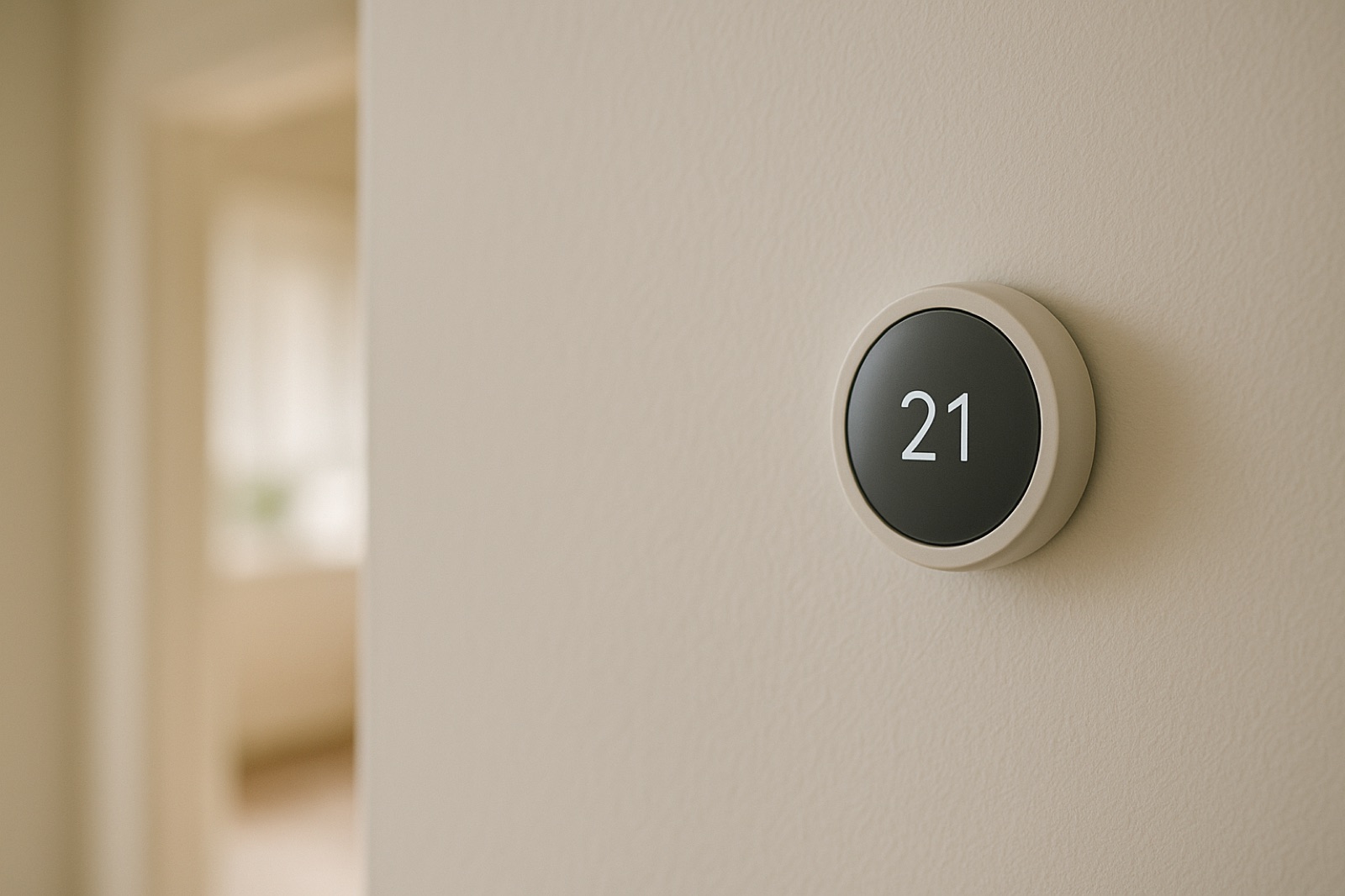
One of the key benefits of electric heating is its ability to integrate seamlessly with smart home technology. Homeowners can control their electric heating systems remotely, setting temperatures based on occupancy and preferences, which can lead to enhanced comfort and energy savings.
Benefits of Electric Heating
Electric heating systems offer several advantages over traditional fuel-based systems. First, they often require less maintenance. Without the need for fuel storage or complex combustion processes, electric systems can be simpler and more reliable. Additionally, as more renewable energy sources are integrated into the grid, the overall carbon footprint of electric heating is expected to decrease further. This aligns with broader goals of decarbonizing the housing sector.
Moreover, with the U.S. government’s recent focus on energy efficiency, programs like the DOE's $8.8B rebate programs offer incentives for homeowners to upgrade to more efficient electric heating systems. While these rebates primarily target HVAC upgrades, the broader push for electrification in homes positions electric heating as a viable option for many homeowners looking to reduce their energy costs.
Installation Considerations
If you're contemplating switching to electric heating, there are several factors to consider. First and foremost, you should assess your current electrical system's capacity. Older homes may require upgrades to support the additional load of electric heating. This could involve upgrading your electrical panel or even rewiring some parts of your home.
Additionally, always consult with qualified professionals who can evaluate your specific needs. Engaging with a water treatment shop like Jones Air & Water can provide insights into how electric heating systems can integrate with other home systems, like water heating, for enhanced efficiency.
The Future of Electric Heating
As electric heating continues to gain traction, homeowners and contractors alike should stay informed about advancements in technology and available incentives. From improved efficiency to lower operational costs, electric heating systems offer numerous advantages worth considering. The trend toward electrification signifies not just a shift in technology but a broader transformation in how we think about energy use in our homes.
In summary, the growing momentum of electric heating reflects a crucial change in the home comfort landscape. With its increasing share in new housing, understanding electric heating systems will be vital for homeowners looking to maximize efficiency and comfort in their living spaces.