Scale Is a Water Reading: Test Hardness Before You Set the Ice Maker's Cleaning Interval
A short cleaning cycle can leave mineral behind, so read your water supply first and set the cleaning interval from what your own water does to the machine.
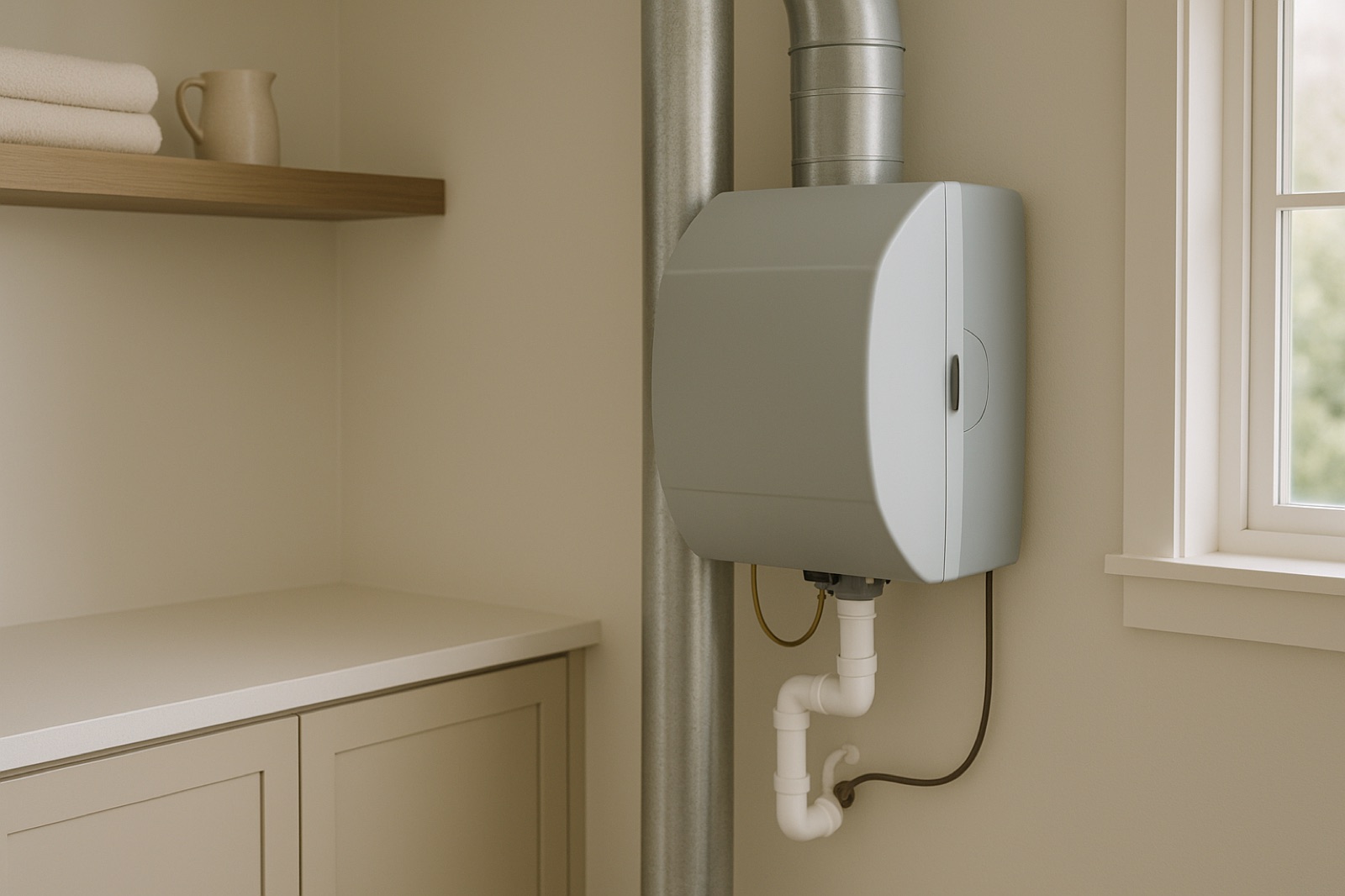
Water heaters, hardness, treatment, and the plumbing that feeds them: keeping hot water cheap and tanks alive past their warranties.
A short cleaning cycle can leave mineral behind, so read your water supply first and set the cleaning interval from what your own water does to the machine.
A dated home ice maker log records the filter, the cleaning, and the fill time, so the next service visit starts from a baseline instead of a guess.
A rinse cycle can empty the bin while the supply screen, the scale on the ice plate, and the drain path keep their problems out of sight.
The relief valve and expansion tank are the two parts that move pressure out of a closed water heater system, and a homeowner can check both with a tire gauge, a bucket, and a notebook.
The air side of a well pressure tank controls how often the pump runs, and a gauge, a faucet, and a notebook can tell you whether yours is set right.
A tank water heater goes easier on everyone when you check the relief valve, the sediment, the anode, the elements, and the temperature setting before a service call.
An exposed supply line in a crawlspace or garage depends on a heat cable you can test with a multimeter, and the label on the jacket tells you what the reading should be.
A closed water heater or boiler loop depends on a small expansion tank, and a tire gauge and a hose bib can tell you whether it is still doing its job.
The markings on copper tube and fittings tell you what you bought, so a short check before you cut or join can prevent a callback.
A water heater's sacrificial rod shows how far the tank has aged before the steel starts to fail, and a short inspection with a socket set tells you whether to plan a replacement.
A food plant's ammonia heat pump makes hot water from refrigeration waste heat, and the same lift problem sets how much hot water a house can get from a heat pump.
A dead boiler creates two problems at once, so protect the water side and log the outage before you decide between repair and temporary heat.
The pipe on a water heater's relief valve is part of the safety device, so check its size, slope, and end point before the valve has to open.
A hands-on check of the sacrificial anode rod tells a homeowner how much life the water heater has left, and it takes one afternoon.
Hot water that is too hot, too cold, or drifting between the two usually has more than one cause, so measure the fixture before you change the tank.
A product launch confirms that a unit exists, while the rating label, install manual, and your own utility room decide whether it fits.
Jetson Home's new heat pump water heater is a reminder that the install decisions which set how any of these tanks performs get made well before the delivery truck arrives.
A new wall-hung boiler still depends on water-side pressure you can read with a gauge and a few minutes in the basement.
A wall-hung combi puts two water jobs on one burner, and the drain and the incoming water both need answers before install day.
Use the deposit pattern, a paired hardness test, and a control check to separate ordinary mineral scale from a treatment problem.
Use this practical checklist to separate hard-water evidence from ordinary residue, test the supply and question an installer before buying equipment.
A good hardness number helps size the equipment, but long-term service depends on whether valves, seals, injectors and controls remain obtainable.
A repeatable photo and testing routine can separate mineral scale from soap residue before anyone recommends a softener.
A useful water-treatment article should begin like a service call, with verified symptoms, relevant measurements and a confirmed next step.
Map the affected fixtures, compare paired hardness samples, and check the bypass before blaming the equipment.
A connected softener, filter, or leak shutoff should make maintenance easier without turning a forgotten account into the weakest device on the network.
A smart softener, leak valve, or water monitor should still protect the house when its app, internet connection, or remote service is unavailable.
A few controlled photos and water checks can show whether recurring faucet spots point to hardness, cleaning residue, or damage that a softener cannot repair.
Use this illustrated checklist to confirm scale, measure hardness, compare treatment methods, and know when the evidence calls for an on-site assessment.
A simple recurrence record can show whether faucet scale is a local cleaning problem or evidence that warrants a whole-house water assessment.
Use a repeatable fixture check to separate ordinary residue cleanup from a water hardness problem that deserves testing.
A repeatable photo and sampling routine can show whether faucet buildup tracks with water hardness before you spend money on treatment.
A short photo sequence and two simple cleaning checks can separate mineral deposits from soap residue before you test the water or consider treatment equipment.
Use residue behavior, surface condition, and a properly labeled water test to separate cleanable scale from permanent fixture damage before considering a softener.
A clean-and-dry inspection can separate removable deposits from damaged plating and show when a hardness test is more useful than another round of cleaner.
Use a repeatable photo sequence and a measured water sample to separate mineral scale from soap residue before deciding whether a softener belongs in the solution.
A useful residue guide should help homeowners clean the fixture, measure hardness and decide whether whole-house treatment is justified, while its publisher separately verifies that readers are asking for it.
A repeatable photo and hardness-test routine can separate mineral scale from soap film, corrosion and sediment before equipment enters the conversation.
Use location, texture, cleaning response and a measured hardness result to decide whether recurring residue points to hard water.
Use measured hardness, cleaned test surfaces, and equipment records to separate mineral removal from scale-control promises.
A simple fixture map, recurrence log, and properly labeled hardness test can show whether deposits point toward the water supply, hot-water equipment, or one troublesome faucet.
Columbia homeowners can pair a hardness test with photos and a simple maintenance log to learn whether scale is a nuisance worth treating.
A dated cleanup and inspection log can separate an ordinary residue cycle from a hardness problem that deserves testing.
A photo-led test-kit checklist helps homeowners turn faucet buildup and a hardness reading into a sensible treatment decision.
A few controlled photos, one cleaning pass, and a hardness test can separate mineral scale from soap residue before you shop for treatment equipment.
A pressure gauge, a bucket, and a few controlled valve changes can separate a hardness problem from a restriction that treatment equipment will not fix.
A clean fixture is only the starting line, so use this practical checklist to separate recurring mineral scale from soap, cleaner residue, corrosion, and a local plumbing problem.
A controlled cleaning and photo sequence can separate mineral deposits from soap residue and show whether water treatment deserves a closer look.
Before accepting an automated recommendation, collect the hardness, flow, household and plumbing data that actually determine whether treatment will work.
Use photographs, a controlled cleaning check, and a repeatable hardness test to separate mineral scale from soap film, corrosion, and other lookalikes before considering a softener.
A controlled comparison at the tap can separate likely mineral scale from soap film, corrosion, and residue left by cleaning products.
A softener can reduce hardness scale, but the residue pattern, a controlled cleaning test, and paired water samples should decide whether treatment belongs in the conversation.
A useful scale guide should teach repeatable field judgment, support the next generation of trade owners, and earn its service link only after the destination is verified.
Use this illustrated field checklist to document scale, verify hardness, and confirm that connected treatment equipment can operate without its cloud controls.
A controlled cleaning patch and a repeatable hardness test can separate a whole-house mineral problem from soap film, corrosion, or one failing fixture.
A simple equipment file can keep testing, settings, warranties, and recurring service from getting lost during a business handoff.
A repeatable symptom log, paired samples and a clear maintenance budget can turn a vague water complaint into a useful equipment conversation.
A labeled fixture sketch, a controlled cleanup, and a repeatable hardness test can separate ordinary residue maintenance from a whole-house water problem.
Photograph the evidence, measure hardness at two taps, and use the pattern to decide whether cleaning, plumbing work, or softening deserves the next dollar.
A controlled cleaning check can distinguish mineral deposits from detergent film and show when a hardness test is worth ordering.
Use water, mild acid, magnification, and a hardness test to separate mineral deposits from etched glass and failed fixture finishes before pricing a softener.
A recurring deposit is a process clue, so map where it forms, how fast it returns, and what removes it before choosing treatment.
A few hardness readings and a short photo record can separate a softener problem from residue the equipment was never designed to prevent.
A repeatable fixture log can separate a one-time residue problem from a water condition worth assessing before you price a softener.
A short photo and test record can separate likely hardness scale from cleaning residue, surface damage and problems a softener cannot solve.
A clean sample, a controlled test and a short fixture log can separate a real hardness pattern from residue that only looks convincing.
Use location, texture, a hardness test, and a simple results worksheet to decide whether mineral scale is the problem and whether a softener fits it.
A few controlled observations can separate likely hardness scale from soap residue, corrosion, and deposits a softener may not remove.
Use this visual checklist to map deposits, measure hardness, compare treatment methods, and verify that the selected equipment is controlling scale.
A connected valve is useful only if you know its local controls, failure position and manual recovery procedure before the network disappears.
A hardness result, a residue map, and a short maintenance log can show whether a softener would solve an expensive recurring problem or merely add another appliance to service.
A simple photo and cleaning checklist can separate likely mineral scale from soap film, corrosion, and damaged finishes before a homeowner spends money on treatment.
Build a small sampling plan that separates hardness, taste and plumbing effects before choosing where treatment belongs.
A simple equipment map and recurring checklist can keep filters, softeners, valves, and treatment equipment from becoming forgotten basement hardware.
Photograph the deposit, test the water, and match the result to the right response before pricing a softener.
A few controlled photos and cleaning tests can separate likely mineral scale from soap residue and show whether a hardness test is the logical next step.
A close inspection, a controlled cleaning test, and an actual hardness measurement can separate removable mineral deposits from permanent fixture damage.
A few labeled photos, a controlled cleaning test, and one hardness result can separate mineral scale from soap residue before you price a softener.
A simple photo log, cleaning record and water test can show whether a softener fits the problem or merely fits the sales pitch.
A temperature-based fixture check, careful cleaning test, and measured hardness result can separate a local hot-water problem from a house-wide treatment decision.
A three-point sampling check can separate a water-heater issue from a source-water problem before you buy treatment equipment.
Confirm that the crust is mineral scale, measure the water, and compare treatment methods before buying equipment.
A connected water treatment system should still provide a clear path to local settings, manual regeneration, bypass operation, and service when the network is unavailable.
A useful equipment proposal starts with measured flow, pressure, plumbing, drainage and water test results, not a product name generated from a short prompt.
Use this illustrated field checklist to separate removable mineral deposits from permanent fixture damage before deciding whether a softener belongs in the house.
A controlled set of faucet photos can separate mineral spotting from soap residue and show whether hardness treatment deserves further investigation.
A useful water assessment should connect fixture evidence, cleaning history and test results to a specific treatment plan before you buy equipment.
Use residue type, fixture count, cleanup interval and a proper hardness test to decide whether faucet buildup is a cleaning problem or a house-wide treatment question.
A connected softener, filter, pump controller, or leak monitor needs an ownership transfer checklist before anyone relies on its alerts or remote controls.
Use residue clues, hardness readings and a controlled cleaning check to decide whether you need better housekeeping, softener service or a full water assessment.
Before choosing any scale-control equipment, make sure the water sample represents the supply you actually want to treat.
Photographs, a properly sourced hardness test, and a maintenance comparison can show whether a softener addresses the residue you actually have.
A controlled cleaning test can separate mineral scale from soap film, corrosion, and dried product residue before you spend money on treatment equipment.
Use this illustrated-style field checklist to separate removable residue from a recurring hardness problem before choosing treatment equipment.
A controlled clean-and-recheck photo test can separate recurring mineral scale from old residue before you price a softener.
Use location, texture and a few controlled cleaning steps to separate mineral scale from soap residue before you test the water or price treatment equipment.
A smart shutoff can limit damage, but homeowners should first document its power, network, sensor, and manual control paths.
A few labeled photos, a simple residue check, and a measured hardness result can separate mineral scale from soap film before equipment enters the conversation.
A leak shutoff, connected softener or pump monitor should still protect the house when the app, router or vendor service is unavailable.
Use automated recommendations to organize options, then verify the water, plumbing and operating conditions before buying treatment equipment.
A controlled photo log, residue check and hardness test can show whether your tap spots point toward hard water, cleaning products or a fixture-specific problem.
A faucet, a heated vessel and a wet glass surface can reveal whether recurring deposits justify a hardness test or a professional assessment.
A practical fixture-by-fixture checklist separates removable mineral deposits from active hardness problems and treatment questions.
Map the deposits, measure actual hardness, and match the treatment method to the problem instead of buying from appearance alone.
A useful assessment separates visible residue, repeatable hardness readings and equipment sizing instead of treating every crusty faucet as a softener sale.
A photo inventory, a hardness result, and a maintenance comparison can show whether a softener is worth more than periodic cleanup.
A controlled wash cycle can separate mineral spotting from detergent film and show whether cleaning, settings, or a hardness test should come next.
A short soak, a hardness reading, and a close look at the exposed surface can separate removable mineral deposits from permanent fixture damage.
Recurring deposits are a clue, not a diagnosis, so clean one fixture, track the return, and test the water before choosing treatment.
A repeatable set of fixture photos, paired with a hardness test and one bypass check, can separate a cleaning problem from a treatment problem.
Use a measured hardness result, fixture clues and household demand to decide whether scale calls for treatment or a different repair.
A labeled aerator, a jar, and one hardness test can separate recurring mineral scale from soap film, corrosion, and construction residue before you price a softener.
A useful water assessment should connect the sample, test result, equipment choice, installation settings, and follow-up plan without losing responsibility between departments.
Define the symptom, measurement, treatment limit, and maintenance burden before a water-treatment proposal turns into a hardware shopping list.
A repeatable cleaning, photo and hardness-testing routine can show whether faucet residue points to hard water or a problem that needs broader assessment.
Use location, texture, cleaning response, and a raw-water hardness test to determine whether recurring residue actually supports a water-softener purchase.
Fast design exploration is useful only after a homeowner or technician documents the water chemistry, peak flow and equipment constraints that determine whether a treatment plan will work.
A connected water system can look normal in an app while a valve, clock, pressure switch, or treatment cycle still needs attention.
A six-photo inspection and a measured cold-water sample can separate mineral scale from fixture damage and show whether softening deserves a closer look.
A room-by-room photo check can separate likely mineral scale from soap film, reveal where deposits form, and show whether a hardness test is the right next move.
A fixture-by-fixture inspection can separate removable mineral deposits from worn plating, etched glass, and problems a conventional softener will not solve.
Use the residue, the fixture condition and a real hardness result to decide whether you need cleaning, repair or whole-house treatment.
A fixture map, controlled cleaning check and paired hardness tests can show whether recurring white residue is a hardness problem, a treatment problem or simply water drying on the finish.
Photograph the buildup, measure hardness at the right tap, and use both results to decide whether a water treatment assessment is worth scheduling.
Compare untreated cold water, heated water, and a boiled sample to separate hardness scale from soap film, corrosion, and damaged finishes.
A connected control can simplify salt and regeneration checks, but the plumbing still needs a manual operating plan when the app or network is unavailable.
A useful scale guide should help homeowners document deposits, test hardness, compare treatment options, and reach a verified assessment service without turning general traffic into false demand.
Before blaming salt, resin, or settings for recurring fixture scale, trace the plumbing path and prove the treatment equipment is online.
A four-frame photo log and a properly recorded hardness test can show whether faucet residue is a cleaning issue, a water issue, or a reason to bring in a professional.
Start with the symptom, confirm it with the right test, then choose equipment that can actually correct the measured problem.
A six-photo inspection and one hardness measurement can separate ordinary faucet residue from a whole-house scale problem worth treating.
A five-photo fixture and dish checklist can separate likely mineral scale from soap residue before you adjust detergent or shop for water treatment.
Test the residue, compare treated and untreated taps, and inspect the finish before deciding whether a softener will solve the problem.
Clean one fixture completely, document where residue returns, and use the pattern to decide whether you need maintenance, a plumbing check, or hardness testing.
Use vinegar, dish detergent, and a measured hardness test to separate mineral scale from soap residue before you spend money on water treatment.
Use this practical residue checklist and softener decision table to turn a crusty faucet into evidence instead of a sales diagnosis.
Use photos, a simple residue check and paired hardness tests to learn whether recurring white spots come from hard water, untreated mineral carryover or something a softener cannot remove.
Use photos, one untreated cold-water sample and a simple residue check to decide whether hardness is the likely culprit and whether a professional assessment is worth scheduling.
Use residue location, a simple scratch check, and measured hardness to separate mineral scale from soap film, dried cleaner, and corrosion.
Run a controlled cleaning and hardness check before treating every white mark as proof that your house needs a softener.
Match the equipment to scale, taste, test results, treatment limits and the maintenance you will actually perform.
Follow the water path, measure hardness, and match the treatment method to the deposits you can document.
A simple photo log and hardness test can tell you whether a softener belongs in the plan or whether you are chasing the wrong residue.
A softener and a filter do different jobs, and some homes need a deliberate treatment train instead of a single all-purpose tank.
Separate ordinary residue cleanup from a whole-house hardness problem before you change cleaners, replace parts, or price treatment equipment.
A location-by-location inspection and a measured hardness result can distinguish mineral scale from residue a softener will not fix.
Use a controlled cleaning test, a hardness measurement, and a fixture inspection to separate removable mineral deposits from permanent surface damage.
Software can organize the options, but a homeowner still needs test results, fixture counts, flow requirements, and service records before choosing equipment.
An ownership transition should trigger a clean handoff of test results, equipment settings, maintenance history, and responsibility for the next repair.
A Columbia homeowner should compare water treatment equipment by verified test results, replacement parts, bypass capability and the work required after installation.
Connected controls can simplify salt checks and alerts, but the valve still needs a local operating plan when the app, account, or network fails.
A controlled photo set, a basic hardness test and a few location clues can separate likely mineral scale from soap film, corrosion and exterior residue before you price a softener.
Map where the buildup appears, test the water correctly, and separate hardness scale from look-alike residue before sizing a softener.
Before connecting another valve to the cloud, prove that everyone in the house can stop the water when the app, network, or actuator fails.
Use this fixture-to-meter checklist to confirm hardness, separate scale from other residue, and choose between softening, conditioning, or a professional assessment.
A useful fixture checklist connects residue patterns, cleaning intervals and hardness results without pretending that one white ring proves you need a softener.
A useful photo checklist, a real hardness test, and a yearly cost comparison can tell you whether a softener belongs in the plan.
Hardness, taste, sediment, and maintenance point to different equipment, so test the water before pricing a treatment system.
Recurring faucet scale calls for two separate jobs: remove the residue safely, then test the water before choosing a longer-term control method.
A trainee can contribute to a solid plumbing or water-treatment job, but the homeowner should know who diagnoses, approves and verifies the work.
Photograph three surfaces, clean them methodically, and test the water before deciding that a softener will solve every white mark.
A short offline test can show whether connected controls help manage hard water or merely add another failure point.
A fixture-by-fixture return map can separate likely mineral scale from soap film, corrosion products, and other residue before you choose treatment.
A controlled set of photos can separate mineral spotting from soap residue and show whether a water softener addresses the actual problem.
A simple photo log, cleaning record, and water test can separate a recurring hardness problem from residue that needs a different fix.
A careful residue check, basic water test, and hot-versus-cold comparison can tell you whether mineral hardness deserves a closer look.
Clean one faucet methodically, test the water, and match any treatment decision to evidence instead of white residue alone.
A room-by-room photo log, a simple residue check, and an actual hardness result can separate a whole-house water problem from a fixture-level nuisance.
A six-photo record and a properly run hardness test can separate a whole-house mineral problem from residue that needs a different fix.
A useful equipment decision starts with the affected fixtures, a representative water sample, and an honest maintenance plan.
Validate the search demand, verify the assessment service, then build a visual guide that helps homeowners move from residue to a defensible treatment decision.
Use this illustrated field checklist to identify mineral scale, measure hardness, and compare softening with conditioning before choosing equipment.
A useful troubleshooting page should help homeowners document recurrence, compare surfaces and interpret a hardness result before it points toward equipment.
A five-location photo set and one untreated cold-water sample can separate hardness scale from soap film, corrosion, and cleaning residue before you price treatment.
A short photo and cleaning sequence can separate likely mineral scale from soap film, corrosion, and sediment before you spend money on water treatment.
Hardness, objectionable taste, sediment, and treatment maintenance point to different equipment, so test the water before shopping.
A three-zone inspection and one hardness measurement can show whether recurring buildup starts in the water supply, the water heater, or a single fixture.
A surface-by-surface inspection can separate cleanable mineral deposits from worn finishes, blocked aerators, and damaged fixture parts before you price a softener.
A close photo, two clean test patches, and a basic hardness result can separate mineral deposits from soap film before you price a softener.
Photograph the residue, log how it responds to cleaning, and test the water before deciding whether a softener addresses the actual problem.
Before buying equipment for a Columbia home, identify the affected taps, test the water and decide who will handle the maintenance.
A controlled dishwasher test, a close look at the residue, and a properly interpreted hardness result can separate mineral spotting from detergent and drying problems.
Inspect the aerator, fixture finish, sink deck, and nearby appliances before deciding that hard water is responsible for the residue.
Use this fixture-by-fixture checklist to identify the residue, measure hardness and decide whether whole-house treatment fits the actual problem.
Photographs, a basic hardness test and a few location checks can separate a whole-house mineral problem from residue that needs a different fix.
Use location, texture, vinegar response, and a measured hardness result to separate mineral scale from soap film, corrosion, and dried cleaner.
A close look at where residue forms can help separate splash deposits, cleaner film, aerator scale, and a whole-house hardness problem before you price treatment.
Follow the water path, measure hardness, and compare softening with conditioning before recurring scale drives an equipment purchase.
A practical commissioning checklist for keeping softeners, filtration controls, leak valves, and their remote access from becoming the weak link on your home network.
A trainee can do useful work in your home, but the contractor should make supervision, testing, and responsibility easy to understand.
Document the residue, clean a test area, and use hardness testing only when the evidence points toward dissolved calcium and magnesium.
Connected softeners, filters and leak controls need a hands-on fallback plan that works without cloud access.
A repeatable inspection log can separate ordinary residue cleanup from a hardness problem that deserves a measured response.
A five-photo inspection and a basic hardness test can separate ordinary cleanup from a water problem worth treating.
A short photo sequence and two simple cleaning tests can separate hard-water deposits from detergent film before you price treatment equipment.
Use a controlled cleaning test, a hardness reading, and a close look at the finish to separate removable mineral deposits from permanent fixture damage.
A repeatable cleaning and sampling checklist can separate mineral scale from soap residue, corrosion products, and deposits caused by a single fixture.
Use close-up photos, simple surface tests, and an actual hardness measurement to separate mineral scale from soap residue and other look-alikes.
A repeatable photo, cleaning and water-testing routine can separate hardness clues from soap residue, corrosion and one-off deposits before you price equipment.
Use the location, timing and test results behind an unpleasant taste to choose between a faucet filter, an under-sink system and whole-home treatment.
A controlled photo checklist and a properly read hardness test can separate mineral residue from detergent film, etched glass and ordinary drying marks.
An illustrated troubleshooting checklist can separate hardness scale from ordinary water spots, cleaning damage, and problems that deserve professional testing.
A connected leak valve earns its place only when the household can still find, operate, and verify the physical shutoff.
A useful quote separates the equipment, installation, consumables, utilities, and service costs instead of hiding them inside one attractive total.
Use this residue checklist and a measured hardness result before adding treatment equipment to the plumbing.
A seller’s answer, a repair invoice, and a dry wall today do not prove that an old leak was fully corrected.
Missouri homeowners can narrow the field by testing hardness, counting people, comparing regeneration controls, and pricing the salt and maintenance the system will actually require.
A practical decision guide for comparing hardness capacity, household demand, regeneration controls, salt use, maintenance, and installer proposals.
A Missouri homeowner’s field guide to tracking hardness breakthrough, excess salt use and the maintenance faults that make a serviceable softener look finished.
Use a measured sample, a fixture inspection and a few operating numbers to separate temporary relief from a properly sized hardness treatment system.
A field guide to reading mineral clues, checking hardness, sizing a softener and knowing when the job has moved beyond routine homeowner maintenance.
A Missouri homeowner's field guide to recognizing hard water, measuring the load, checking softener operation and knowing when the problem needs professional testing.
Scale, spotting, odors, stiff laundry, and sluggish appliances can help homeowners separate a minor nuisance from a water problem worth testing.
Use household demand, tested hardness, iron, peak flow, regeneration controls, and maintenance capacity to narrow the field before requesting an assessment.
Gutters and downspouts are essential for safeguarding your home's foundation against water damage.
Exploring the latest advancements in water heating systems for efficient home comfort.
Exploring the enhancements in commercial water heating systems and their practical benefits for homeowners and contractors.
Understanding the latest innovations in water heating technology can enhance efficiency and serviceability for homeowners.
Understand the advancements in commercial water heaters and their implications for homeowners.
Discover the latest usability features in high-efficiency commercial water heaters and their impact on service and installation.
Exploring the recent advancements in commercial water heaters that enhance installation and operation.
A look at advancements in high-efficiency water heaters and what they mean for homeowners and contractors.
Explore how new developments in commercial water heaters enhance functionality and ease of service.
Exploring the latest advancements in commercial water heaters and their implications for homeowners.
New usability enhancements in commercial water heaters can simplify installation and service, improving efficiency for HVAC professionals.
Explore the benefits of modern water heater technology for both homes and businesses.
Understanding the latest advancements in commercial water heater technology can enhance efficiency and usability for homeowners and service technicians alike.
Commercial water heater advancements offer insights for residential systems.
A practical look at the advancements in commercial water heater technology and what they mean for homeowners.
Explore the advancements in commercial water heating technology for better home comfort.
Explore how new features can improve installation and service for efficient water heating.
Explore the new features making commercial water heaters easier to install and maintain.
Understanding the advancements in water heater technology and their impact on efficiency.
Explore the advancements in commercial water heater technology and their implications for homeowners and businesses.
A deep dive into the advancements in commercial water heating systems and their implications for homeowners.
Explore the latest advancements in commercial water heaters and their implications for residential applications.
Explore how innovations in commercial water heaters influence residential systems and efficiency.
A look at the latest enhancements in commercial water heaters and their implications for residential systems.
Explore how modern advancements can improve your water heating experience.
Exploring advancements in water heater technology for today’s homeowners.
Discover how advancements in commercial water heater technology can benefit homeowners.