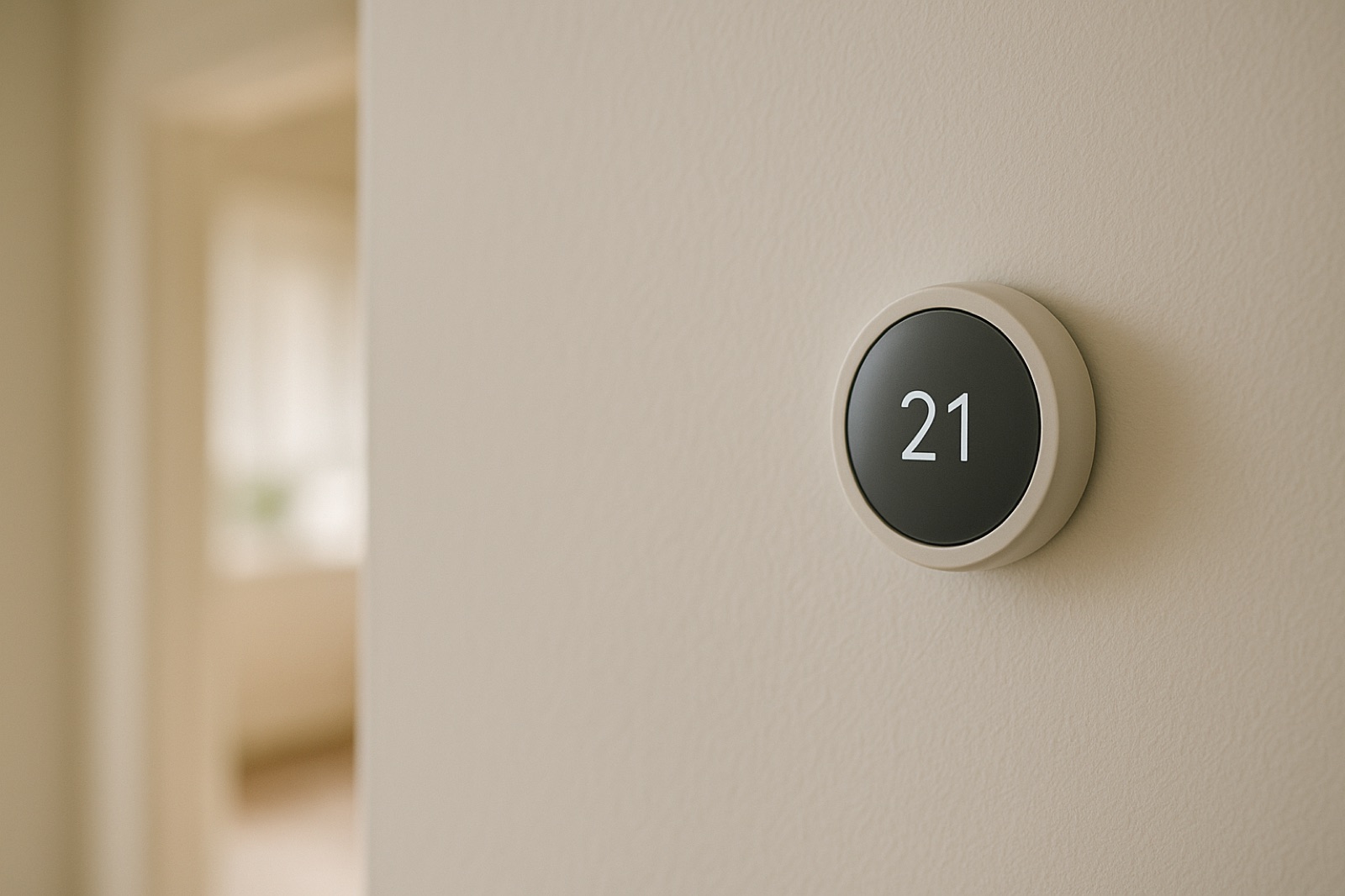
As homeowners increasingly seek efficient and sustainable heating solutions, electric heating systems are gaining traction in new constructions. According to a recent report by the Building Decarbonization Coalition, electric heating reached its highest-ever share of the U.S. new housing market in 2024, with 61% of newly completed units equipped with various types of electric systems, as noted in the ACHR News.
Understanding the Shift to Electric Heating
This shift towards electric heating systems can be attributed to a few key factors. First, the growing emphasis on carbon emissions reduction is compelling builders and homeowners alike to consider more sustainable options. Electric heating often comes with lower environmental impact, particularly when paired with renewable energy sources.
Additionally, many electric systems are efficient and can be integrated easily with smart home technologies. Heat pumps, for example, have emerged as a popular option. These systems can both heat and cool a home, offering versatility that traditional systems may lack.
Types of Electric Heating Systems
Homeowners considering electric heating have several options to choose from. Below are a few common types:
- Electric Heat Pumps: These systems can provide both heating and cooling by transferring heat between the indoors and outdoors. They are generally efficient and can significantly lower energy costs when properly sized and installed.
- Electric Resistance Heating: This includes baseboard heaters and wall-mounted units that provide consistent heat by converting electricity directly into heat. They can be effective in smaller spaces but may lead to higher energy bills if used as the primary heat source.
- Radiant Floor Heating: This system involves installing electrical heating mats or cables beneath the flooring. It offers luxurious warmth underfoot and is efficient at maintaining comfortable temperatures.
Cost Considerations
While the initial investment for electric heating can vary depending on the system, installation requirements, and the size of the home, many homeowners find that the long-term savings on energy bills can outweigh the initial costs. Additionally, various incentives and rebates are available through programs such as the Department of Energy's HOMES and HEEHR initiatives, which can help defray some of these upfront expenses.
These programs aim to boost business for HVAC contractors while providing homeowners with financial relief when upgrading their heating systems. Understanding how to navigate these options can enhance your renovation or new construction project.
Future Implications
As more builders and homeowners opt for electric heating solutions, it is essential to consider the implications for the HVAC industry. The growing appeal of electric systems may push traditional gas and oil heating systems further into the background. Technicians will need to adapt their skills to service these new technologies effectively.
Moreover, with the increasing installation of electric heating systems, HVAC professionals should prepare for a demand shift in their services and products. Keeping up with the latest advancements and training will be crucial for maintaining competitiveness in this evolving market.
The trend toward electric heating systems in new homes is not just about comfort; it reflects a broader commitment to sustainability and efficiency. As this shift gains momentum, homeowners and HVAC professionals alike should stay informed and adapt to the changing landscape of home heating solutions.
For local service context, see a water treatment shop like Jones Air & Water.