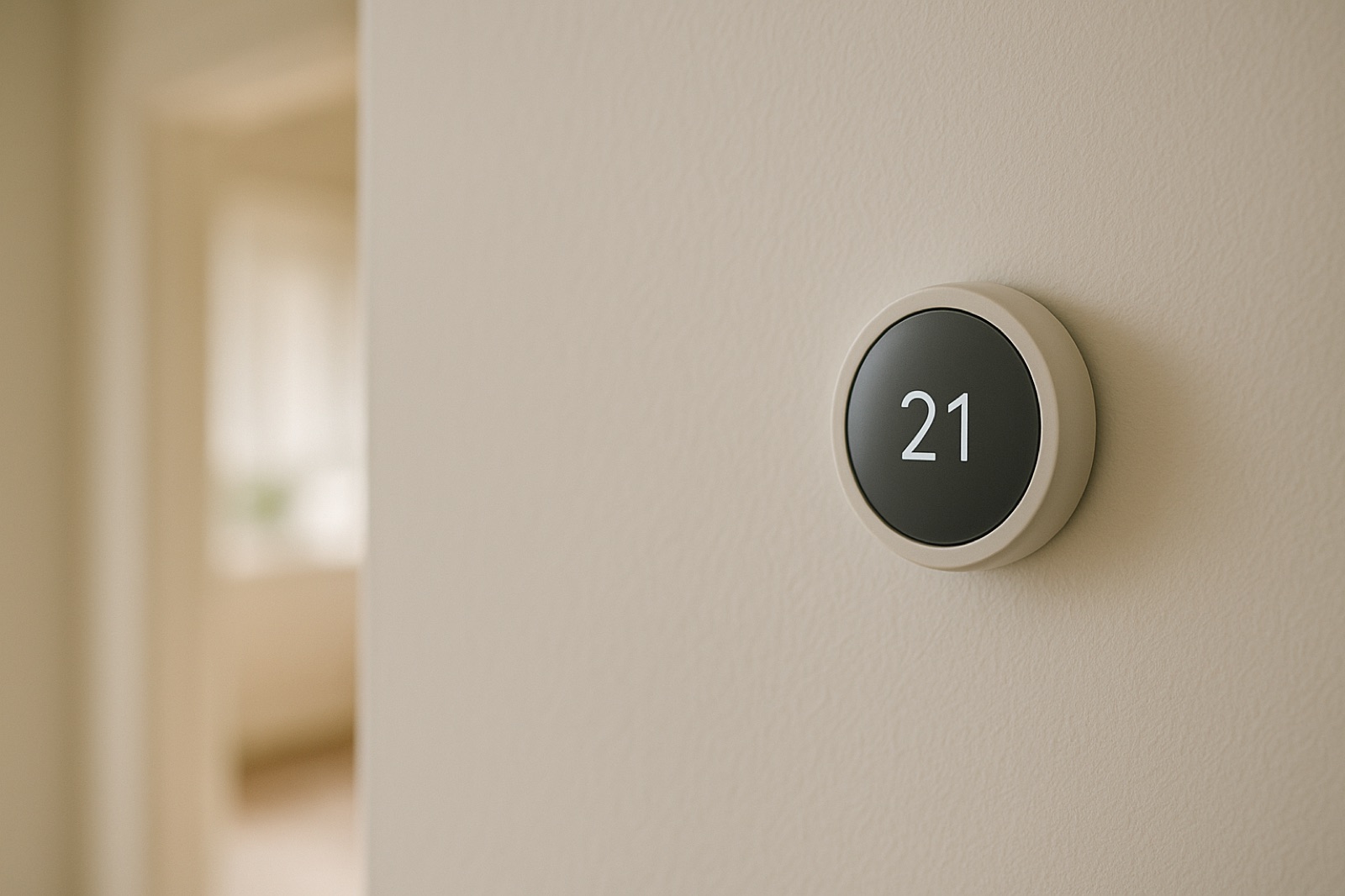
As we move deeper into the 21st century, electric heating is becoming a more prominent choice for homeowners. Recent data shows that electric heating reached its highest-ever share of the U.S. new housing market in 2024, with 61% of new units outfitted with electric systems, according to a report by the Building Decarbonization Coalition. This shift raises some important questions for homeowners considering their heating options.
Why the Shift to Electric Heating?
Several factors contribute to the growing preference for electric heating. First, advancements in technology have improved the efficiency and effectiveness of electric heating systems. Unlike traditional fossil fuel-based systems, electric heaters can offer precise temperature control and faster heating times. This efficiency is particularly appealing in an era focused on reducing carbon footprints.
Moreover, with the push towards building decarbonization, many new constructions are designed specifically to accommodate electric heating systems. This is not just a trend; it's part of a broader movement aiming to align residential heating methods with sustainable practices. As electric heating systems become more common, homeowners can expect to see innovations that further enhance comfort and efficiency.
Types of Electric Heating Systems
Homeowners interested in electric heating have several options to consider:
- Electric Baseboard Heaters: These are one of the simpler forms of electric heating. They are easy to install and can be controlled individually, making them suitable for zone heating.
- Heat Pumps: These systems transfer heat from the outside air or ground into the home. They are highly efficient and can provide both heating and cooling.
- Electric Radiant Floor Heating: This system heats the floor itself, providing warmth from the ground up. It is particularly effective in bathrooms and kitchens.
Benefits of Electric Heating
The benefits of switching to electric heating extend beyond just efficiency. These systems often require less maintenance than their gas counterparts, reducing long-term costs for homeowners. Additionally, electric heating can enhance the indoor air quality of a home since they do not produce combustion by-products.
Another significant advantage is the flexibility of installation. Electric heating systems can be installed in homes where traditional ductwork may not be feasible, expanding options for retrofitting older buildings.
Considerations for Homeowners
Before making the switch, homeowners should assess their energy costs. While electric systems can be more efficient, the cost of electricity varies by region and may influence the overall cost of heating. It's wise to consult local utility rates and potential incentives for electric heating installations.
Additionally, homeowners should consider the implications of their local climate. In areas experiencing extreme colds, electric heating may struggle to keep up efficiently, and supplementary heating solutions might be necessary.
Conclusion
With the reported increase in the adoption of electric heating systems, it’s clear that many homeowners are recognizing the benefits of this technology. As efficiency standards rise and the demand for sustainable options grows, electric heating could play a significant role in the future of home comfort.
For additional insights on the current trends in home heating, you can explore articles discussing the momentum electric heating is gaining in new homes, as noted by ACHR News.
For local service context, see a roofing contractor such as Keys Roofing.