ACHR News reported that heat pumps are gaining ground in new homes, citing one study showing adoption "approaching 50%" in 2026. A trend line tells you where the market is heading. It does not tell you how your equipment should behave on a 20-degree night, and it does not tell you whether the duct in your attic can carry the air a new system needs.
Builders can design a heat pump system from the start. They size the ducts, run a load calculation, and match the controls to the equipment. A retrofit often inherits an older duct run, a thermostat wired for a furnace, and a outdoor pad placed for a different unit. Those are the places a homeowner should look before accepting any heat pump plan as complete.
Find the Backup Heat Before You Need It
Most heat pump systems include supplemental heat, usually electric resistance strips in the air handler or a gas furnace in a dual-fuel setup. The heat pump does the everyday work, and the backup takes over when outdoor temperatures drop far enough that the heat pump cannot keep up, or when the system needs to clear a defrost event without a cold blast.
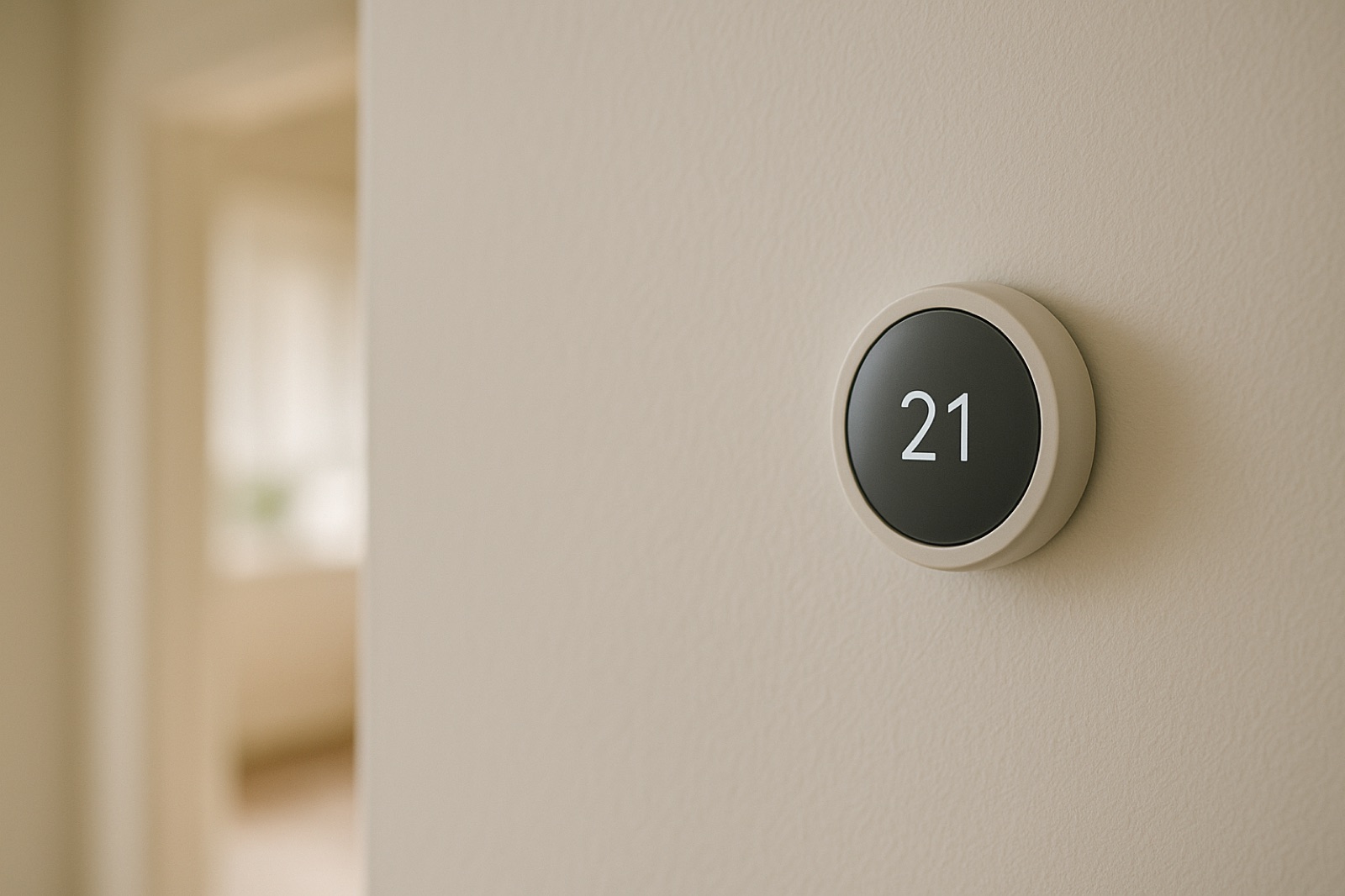
Start at the thermostat. Find the emergency or auxiliary heat setting, and learn whether the control switches to backup automatically. Then go to the equipment. Shut off power at the disconnect before you open the air handler. With the system off, check the heater contactor and the wiring to the strip. Once power is restored and the backup is called, use a clamp meter on each heater leg. Compare the reading with the amperage on the heater nameplate. A leg that reads zero, or a leg that reads well above its rating, points to a failed element, a bad contactor, or a loose connection. Measure supply voltage at the heater breaker with the meter in voltage mode, and confirm it matches the nameplate before you blame the strip.
Watch the Defrost Cycle Through a Cold Night
In cold weather, a heat pump periodically reverses its refrigerant flow to melt frost off the outdoor coil. Stand outside during one of these cycles, from a safe distance and with the unit running normally. Some steam or fog during defrost is typical. The concern is different: ice that builds on the coil and never clears, an outdoor fan that stays off during defrost, or a unit that runs in defrost for long stretches while the indoor air cools off.
Those symptoms can come from a few sources. A failed defrost sensor can make the board initiate defrost at the wrong time or skip it. A clogged outdoor coil or a blocked airflow path can keep the coil iced. A reversing valve that sticks can leave the system in the wrong mode. Each of these needs a technician with gauges and a meter, but you can document the pattern for them. Write down the outdoor temperature, the time of each defrost cycle, and whether the backup heat engaged. A dated log is more useful to a service tech than a general complaint that the heat feels weak.
Check Airflow Before You Blame the Heat Pump
Heat pumps are sensitive to airflow. A dirty filter, a closed register bank, or a return grille blocked by furniture can reduce the air moving across the indoor coil, which affects both heating and defrost. Replace the filter, open the supply registers in rooms you use, and clear the return path before you assume the outdoor unit is failing.
Also look at the outdoor unit's placement. Snow piled against the cabinet, leaves packed into the coil, or a pad set lower than the old one can all block airflow. Keep at least the clearance the manufacturer lists around the cabinet, and do not wrap the unit in a cover that traps moisture against the fins.
Questions Worth Asking a Retrofit Installer
Before you sign off on a heat pump replacement, ask the installer for direct answers. Did they run a load calculation for your house, or did they size the unit from the old equipment? Was the existing duct evaluated for the airflow the new unit needs? Which setting controls the backup heat, and what happens during defrost when the backup is off? Where will the outdoor unit sit relative to the snow line? Get the answers in writing, and keep a copy with your equipment records.
Comfort Planning in a Shared Home
Temperature control matters more in some households than others. If an older adult lives in the home, or needs help with daily tasks, a steady indoor temperature is part of the plan. Families arranging non-medical in-home support for older adults in St. Louis can make the thermostat part of the handoff. A caregiver can learn where the thermostat sits, how to read its display, and whom to call when the heat stops, while the family keeps ownership of the equipment decisions and the repair calls.
The new-build trend is real enough to pay attention to, but it does not change what your system does on a cold night. Find the backup heat, watch a defrost cycle, measure what you can with a meter, and keep a dated record. Those steps turn a general sense that the heat feels off into information a technician can use.