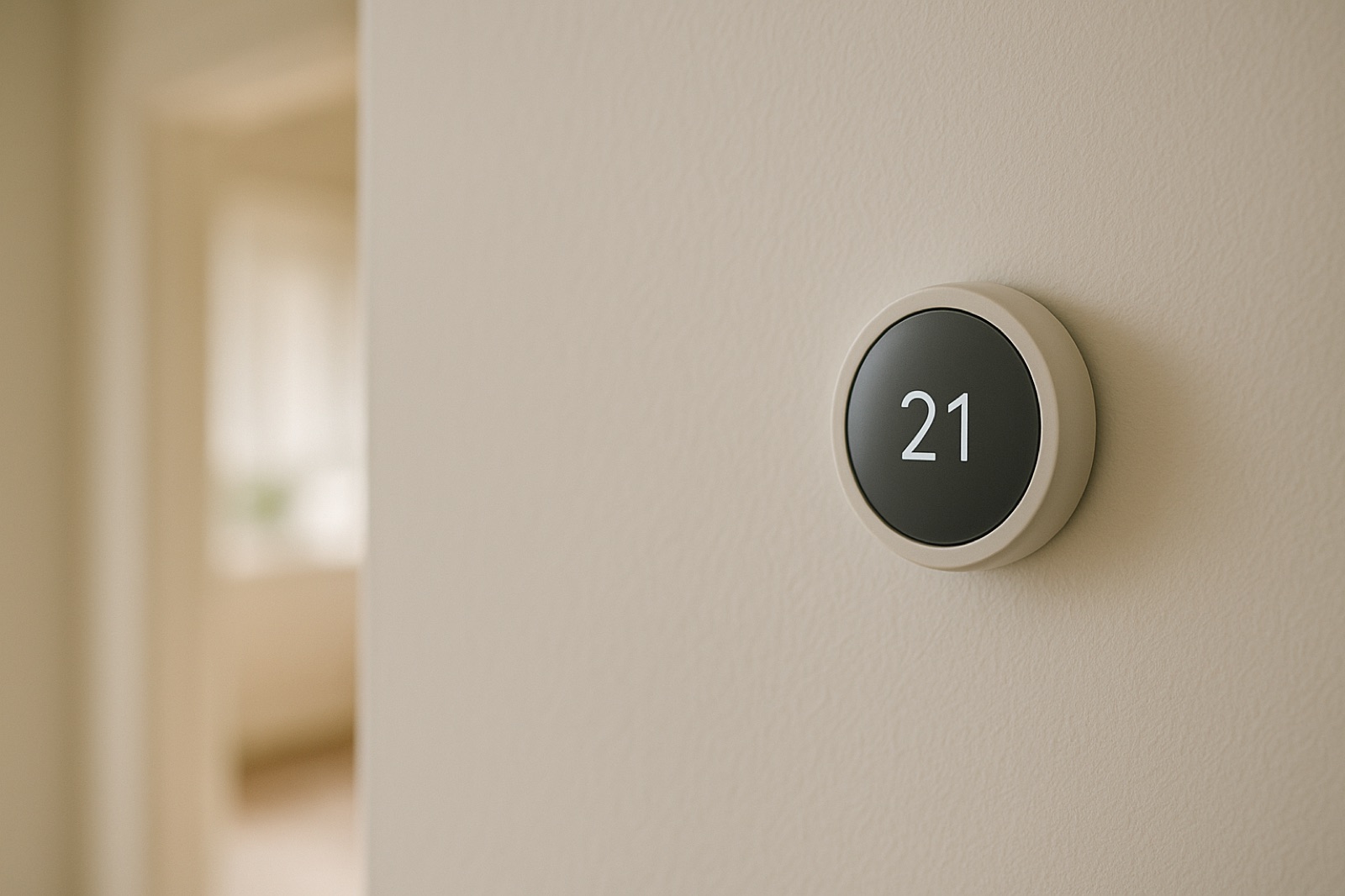
As we move further into 2024, one trend is becoming increasingly clear in the housing market: electric heating systems are gaining considerable traction. Recent reports indicate that electric heating has reached its highest share of the new housing market, with 61% of newly constructed units featuring some type of electric system. This shift reflects broader trends in sustainability and energy efficiency, as homeowners and builders alike recognize the benefits of adopting electric technologies.
Why the Shift to Electric Heating?
Several factors are driving this change. First and foremost, advancements in electric heating technologies have made them more efficient and affordable. Modern electric systems, such as heat pumps, can provide both heating and cooling, making them versatile choices for homeowners. These systems can efficiently extract heat from the outside air or the ground, even in colder temperatures, allowing for consistent comfort year-round.
Additionally, there is a growing emphasis on reducing carbon footprints and reliance on fossil fuels. Electric heating can often be paired with renewable energy sources such as solar power, further enhancing its sustainability profile. This is particularly important for homeowners looking to minimize their environmental impact and potentially lower their energy bills.
The Impact of Government Incentives
The Department of Energy's recent $8.8 billion rebate programs for HVAC upgrades are also contributing to the trend. Programs like HOMES and HEEHR incentivize homeowners to upgrade to more energy-efficient systems, including electric heating options. These rebates can significantly offset the initial investment, making electric systems more appealing to budget-conscious homeowners.
As more consumers become aware of these rebates, along with the long-term savings associated with electric heating, demand is expected to rise. This aligns with a broader trend toward energy-efficient home improvements, as many homeowners are eager to make upgrades that will pay off in the long run.
Challenges to Consider
While the trend toward electric heating is promising, there are challenges to consider. In some regions, the existing electrical infrastructure may not be equipped to handle the increased demand that comes with widespread electric heating adoption. Homeowners should assess their local electrical grid and consult with professionals to determine if upgrades are necessary.
Moreover, electric heating systems can sometimes lead to higher utility bills during peak demand periods, especially in areas with high electricity rates or insufficient renewable energy sources. Homeowners should weigh these factors carefully, particularly if they are in regions that experience extreme temperature fluctuations.
Conclusion
Electric heating is undoubtedly on the rise in new homes, driven by technological advancements, sustainability goals, and government incentives. Homeowners considering new builds or upgrades should stay informed about their options and evaluate whether electric heating systems are the right fit for their needs. With thoughtful planning and an eye on efficiency, adopting electric heating could be a smart move for both comfort and cost savings in the years to come.
For local service context, see a roofing contractor such as Keys Roofing.