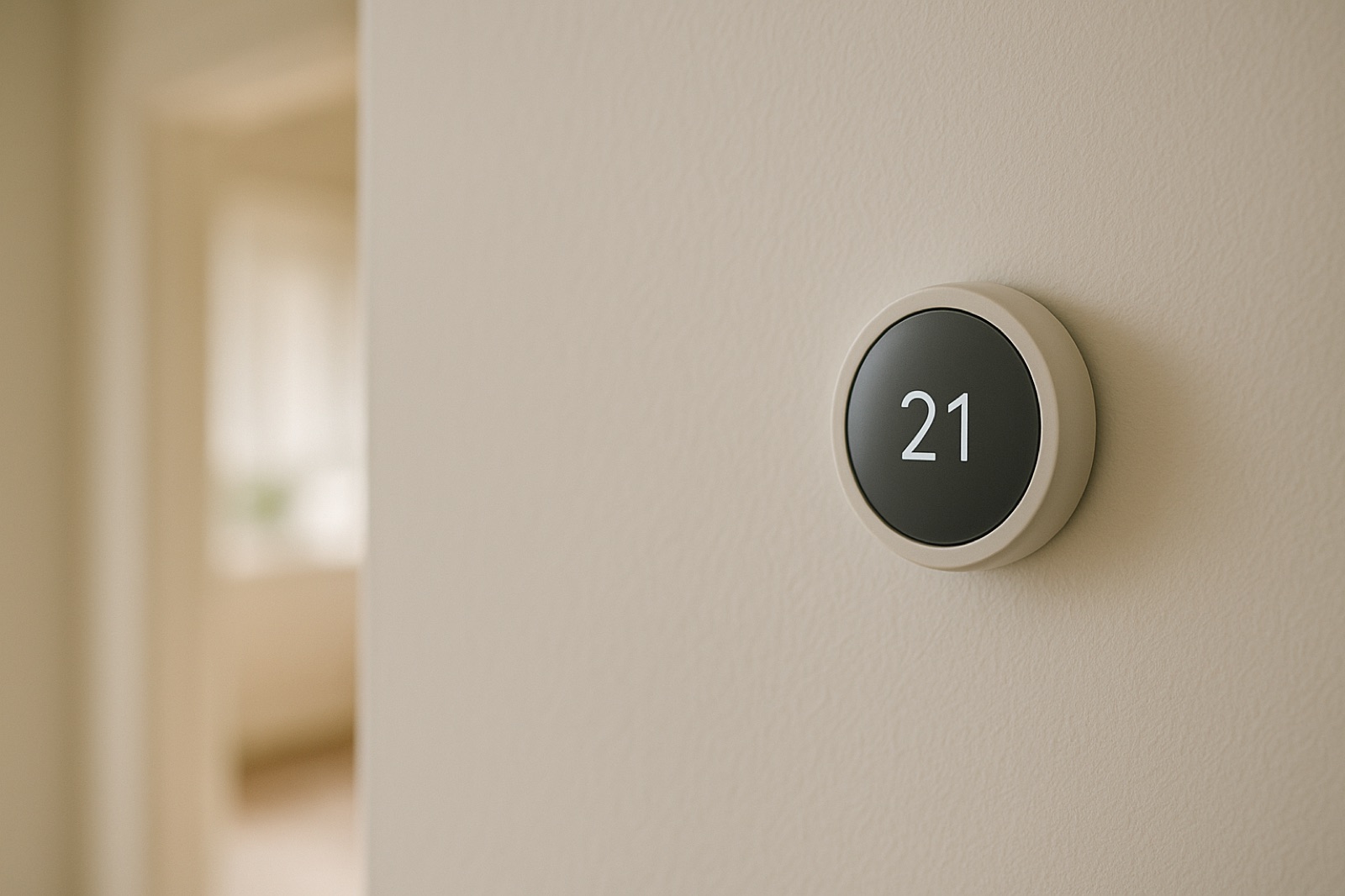
As the landscape of residential heating evolves, electric heating systems are gaining traction among homeowners and builders alike. According to a recent report by the Building Decarbonization Coalition, in 2024, electric heating reached its highest-ever share of the U.S. new housing market, with 61% of completed units featuring some type of electric system ACHR News. This shift points to a significant change in how we view heating, with implications for energy efficiency, installation practices, and consumer preferences.
Understanding Electric Heating Systems
Electric heating encompasses a range of technologies, including heat pumps, electric resistance systems, and radiant floor heating. Heat pumps, in particular, have become popular due to their efficiency and versatility. They extract heat from the outside air or ground, even in colder temperatures, and can provide both heating and cooling. This dual functionality makes them a practical choice for homeowners looking to simplify their HVAC systems.
Electric resistance heating, on the other hand, directly converts electric energy into heat. While generally less efficient than heat pumps, electric resistance systems can be easier to install and may be suitable for homes that require supplemental heat or for specific applications like bathrooms or small spaces.
Why the Shift to Electric Heating?
Several factors contribute to the rising popularity of electric heating systems. One of the primary drivers is the increasing focus on sustainability and reducing carbon footprints. Electric heating systems can be powered by renewable energy sources such as solar or wind, making them an attractive option for environmentally conscious homeowners.
Additionally, advancements in technology have made electric heating systems more efficient and cost-effective. Modern systems are equipped with smart technology that allows for better energy management, helping homeowners optimize usage and reduce electricity costs. These systems often come with programmable thermostats and can be controlled remotely, providing convenience alongside efficiency.
Installation Considerations
For homeowners contemplating a switch to electric heating, installation considerations are crucial. Retrofitting an existing home can pose challenges, particularly in terms of electrical capacity and the configuration of heating systems. If you're comfortable in the attic or basement and own a multimeter, you can assess your current electrical setup to determine if upgrades are necessary.
It's also vital to consider insulation and airflow, as these factors significantly impact the efficiency of electric heating systems. Properly insulating your home can reduce the overall load on your heating system, resulting in lower energy bills and improved comfort.
The Economic Angle
While the initial investment for electric heating systems, particularly heat pumps, can be higher than traditional systems, long-term savings can offset these costs. Many electric systems qualify for rebates and incentives, which can help mitigate upfront expenses. Homeowners should also factor in the potential for lower maintenance costs, as electric systems generally require less upkeep compared to their gas counterparts.
As the trend towards electrification continues, it’s essential for homeowners to stay informed about evolving technologies and incentives. Engaging with local utility companies and energy efficiency programs can provide valuable insights into available resources and financing options.
Conclusion
Electric heating systems are not just a passing trend; they represent a fundamental shift in how we approach home heating. As more homeowners embrace these technologies, a greater focus on efficiency, sustainability, and cost-effectiveness will shape the future of residential heating. Whether you're building a new home or considering an upgrade, exploring electric heating options could be a practical step toward greater comfort and energy independence.
For local service context, see a roofing contractor such as Keys Roofing.