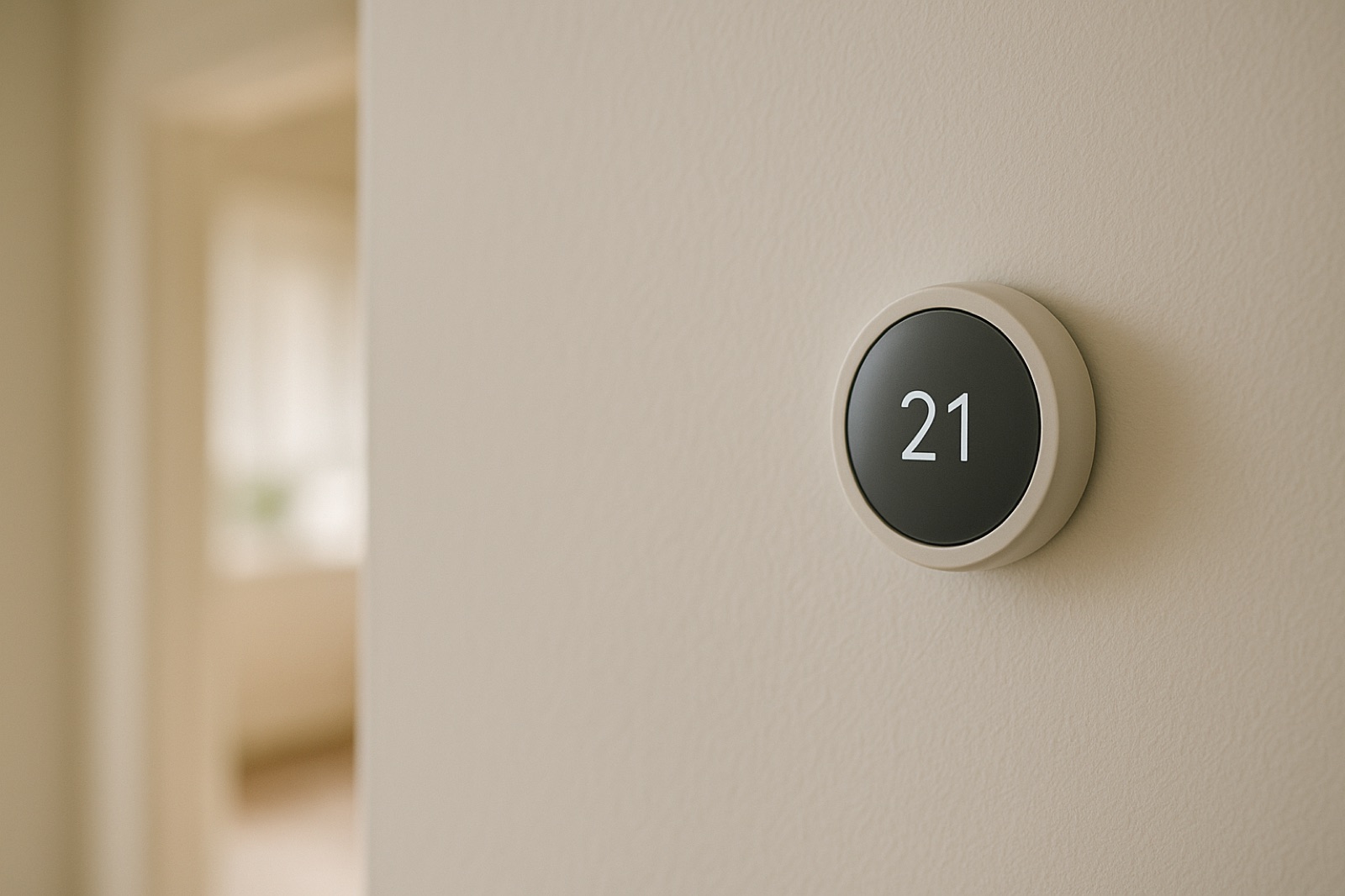
The residential heating landscape is changing, and electric heating systems are gaining traction. According to a recent report by the Building Decarbonization Coalition, electric heating reached its highest-ever share of the U.S. new housing market in 2024, with 61% of completed units featuring some type of electric system. This shift reflects a growing awareness of energy efficiency and sustainability among homeowners, making it essential for current and prospective homeowners to consider the implications of this trend.
Why Electric Heating?
One of the primary reasons for the surge in electric heating systems is their efficiency. Modern electric heaters are designed to convert nearly all the energy they consume into heat, making them a highly effective option compared to some traditional gas systems. They also require less maintenance, as there are fewer mechanical parts that can fail. Moreover, with advancements in smart technology, electric heating systems can be easily controlled and monitored, allowing homeowners to optimize energy use and reduce costs.
Types of Electric Heating Systems
There are several types of electric heating systems to consider:
- Electric Resistance Heating: This is the most straightforward option, using electric coils to generate heat. While effective, it can be less efficient for larger spaces.
- Heat Pumps: Air-source and ground-source heat pumps are becoming popular for their ability to transfer heat rather than generate it. They are highly efficient and can provide both heating and cooling, making them versatile options for year-round comfort.
- Radiant Floor Heating: This system heats the floor directly, providing warmth from the ground up. It's particularly effective in areas with tile or concrete floors and can be more comfortable than traditional heating methods.
Considerations for Homeowners
While electric heating offers many advantages, homeowners should also consider some potential downsides. Installation costs can be higher, especially for heat pump systems, and the availability of electric service may pose limitations in some areas. Additionally, if your home relies solely on electric heating, consider the implications during severe weather when power outages can occur.
Moreover, the reliance on the electric grid raises questions about sustainability. As more homes transition to electric heating, it’s vital to ensure that the electricity used is sourced from renewable resources. Homeowners should investigate their local utility options and consider investing in solar panels or other renewable technologies to enhance their home's energy profile.
What This Means for New Constructions
The trend of electric heating in new homes indicates a shift toward more sustainable building practices. For builders and contractors, this means staying informed about the latest electric heating technologies and installation practices. It is also essential for builders to understand local codes and regulations regarding electric systems, as these can vary significantly.
For homeowners considering new construction, working with a knowledgeable contractor can help ensure that your home is equipped with the best heating solution for your needs. A roofing contractor such as Keys Roofing can also provide insights into how roofing materials and insulation choices impact overall home energy efficiency.
The Future of Heating
As electric heating continues to gain momentum, it represents a significant shift in how homes are heated. Homeowners should take the time to evaluate their options, understand the technology, and consider how electric systems align with their long-term energy goals. As the market evolves, those who invest in energy-efficient systems today may find themselves better prepared for the challenges of tomorrow.
In conclusion, electric heating is not just a passing trend; it is an opportunity for homeowners to enhance comfort while contributing to a more sustainable future. By understanding the benefits and considerations, homeowners can make informed decisions about their heating systems and their homes' overall energy consumption.