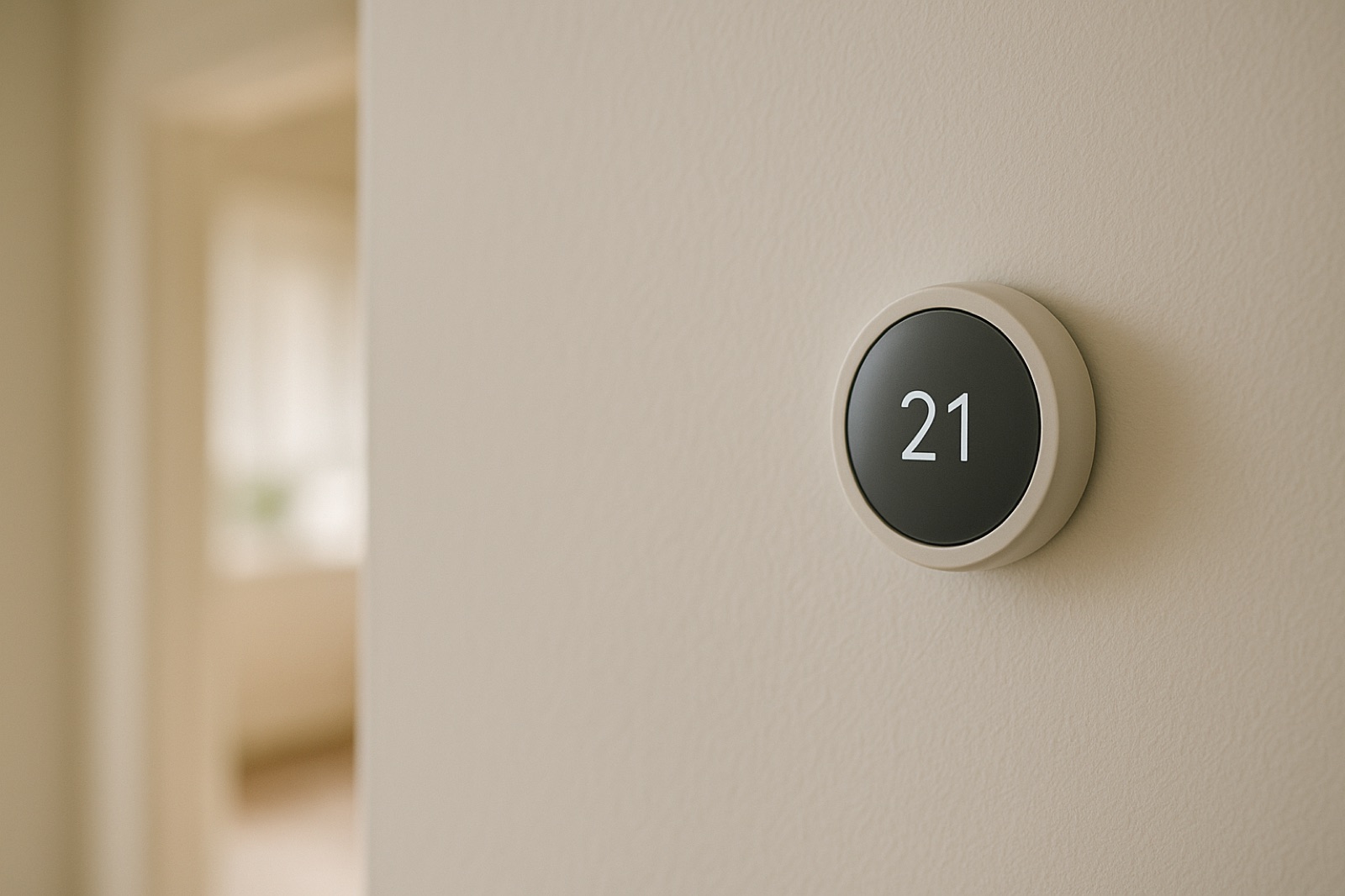
The HVAC landscape is undergoing significant shifts, particularly with the introduction of the U.S. Department of Energy's (DOE) rebate programs. The HOMES and HEEHR programs offer a substantial $8.8 billion in rebates aimed at encouraging homeowners to upgrade their heating and cooling systems. In this article, we will look at the implications of these programs and how they can benefit both homeowners and contractors.
Understanding the Rebate Programs
The HOMES program focuses on whole-home energy retrofits, while the HEEHR program targets high-efficiency equipment replacements. These incentives can significantly lower the cost of new HVAC systems, making it easier for homeowners to invest in modern, energy-efficient solutions. This is particularly timely as older HVAC systems are often energy hogs, leading to higher utility bills and decreased comfort.
Why Upgrade Your HVAC System?
Upgrading to a more efficient HVAC system can lead to numerous benefits, including reduced energy consumption and improved indoor air quality. Older systems typically operate at lower efficiencies and may not be equipped to handle the demands of today’s homes. Newer models, particularly those certified by organizations such as ENERGY STAR, can offer significant operational savings. Additionally, improved control systems help maintain consistent temperatures throughout the year, enhancing overall comfort.
Where to Start: Assessing Your Current System
Before diving into the rebate process, take a good look at your current HVAC system. If your unit is over ten years old or has required frequent repairs, it may be time to consider an upgrade. Using your multimeter, you can check the efficiency and performance of your existing system to determine if it’s time to make a move. Look for issues such as inadequate heating or cooling, unusual noises, or rising energy bills. If you find multiple red flags, start planning for an upgrade.
Evaluating Your Options
Once you’ve assessed the need for a new system, research the options available in the market. High-efficiency gas furnaces, electric heat pumps, or even geothermal systems can provide substantial energy savings. Take note of the specifications and efficiency ratings of the units you consider. Make sure they meet or exceed the eligibility criteria set by the rebate programs.
Engaging with Contractors
Your next step is to engage with a licensed HVAC contractor. Look for one who is familiar with the DOE rebate programs, as they will be able to guide you through the application process. A qualified contractor can conduct a thorough home energy audit and suggest improvements that will maximize your rebate potential. They can also provide detailed estimates for the required upgrades and their associated costs.
Applying for Rebates
Once you have selected a contractor and are ready to proceed with the installation, ensure that you gather all necessary documentation for the rebate application. This typically includes proof of purchase, installation receipts, and any required forms from the DOE. Submitting your application promptly can help you secure your rebate before funds run out, as many programs operate on a first-come, first-served basis.
Final Considerations
Investing in a new HVAC system not only improves home comfort but can also lead to long-term savings through decreased energy costs. With the availability of programs like HOMES and HEEHR, now is an excellent time to consider upgrading. Remember to assess your current system, explore your upgrade options, and work closely with a qualified contractor to navigate the rebate application process. The potential benefits are substantial, both for your wallet and for the environment.
In conclusion, the DOE's initiatives provide a tangible opportunity for homeowners to embrace energy efficiency through HVAC upgrades. As the demand for energy-efficient solutions increases, so does the opportunity for homeowners to make informed choices that benefit their homes and the planet.
For local service context, see a water treatment shop like Jones Air & Water.