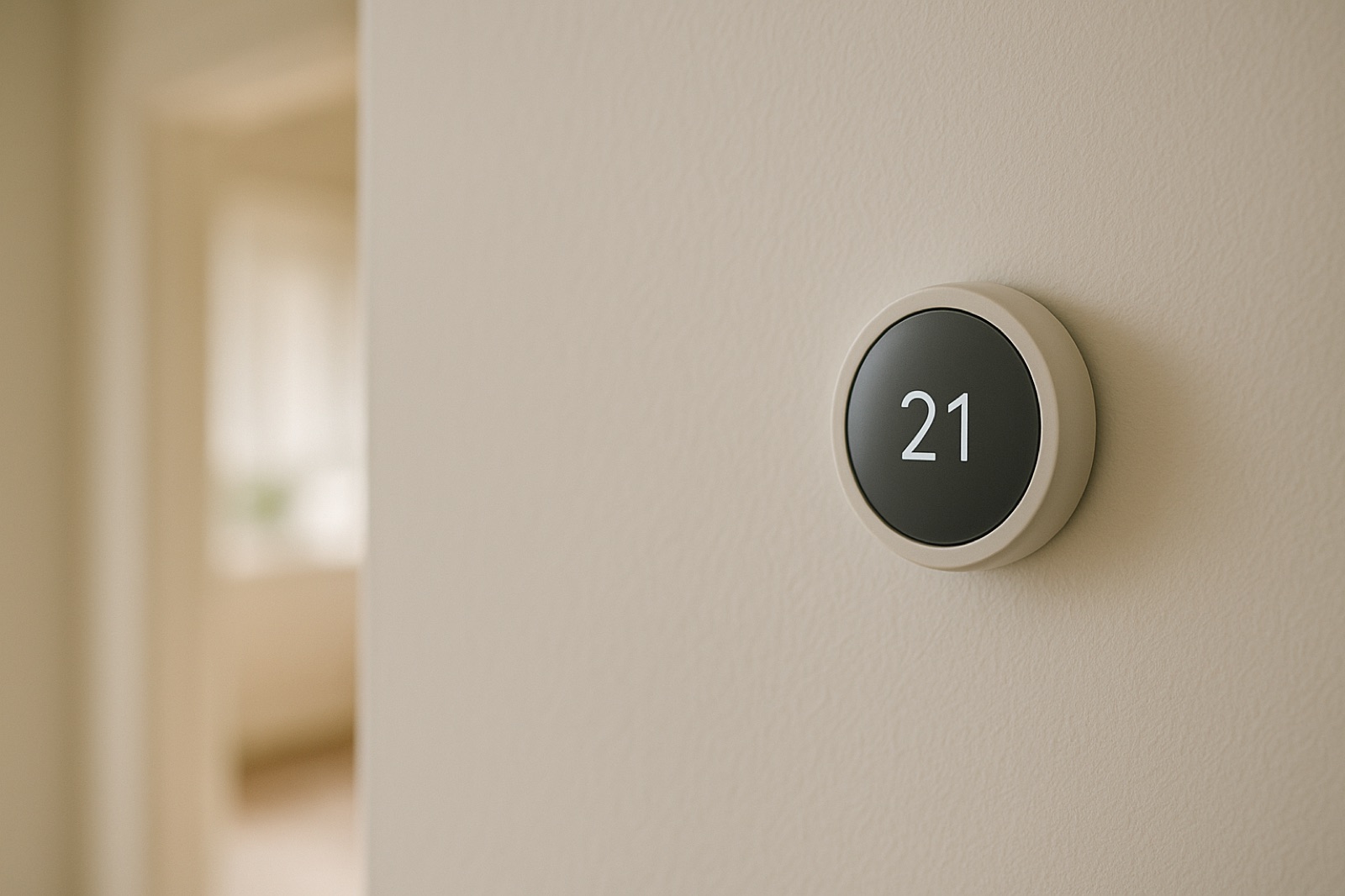
The landscape of home heating is shifting, with an increasing number of new homes opting for electric heating systems. As per a report by the Building Decarbonization Coalition, electric heating has achieved its highest market share among new U.S. homes in 2024, with 61% of completed units featuring some form of electric heating system. This trend indicates a significant change in how homeowners and builders are approaching heating solutions.
Why the Shift to Electric?
One of the driving factors behind this transition is the growing awareness of the environmental impacts of traditional heating methods. Electric heating systems can be powered by renewable energy sources, such as solar and wind, making them a cleaner option compared to fossil fuel-based heating. As more homeowners prioritize energy efficiency and sustainability, the appeal of electric heating continues to rise.
Additionally, advancements in electric heating technology have led to improved efficiency and cost-effectiveness. Modern electric heating systems, including heat pumps and electric furnaces, can deliver comfortable temperatures with lower energy consumption than older gas systems. This efficiency helps reduce utility bills, making electric systems not only environmentally friendly but also economically attractive to homeowners.
Types of Electric Heating Systems
Homeowners have several options when it comes to electric heating systems. Here are a few common types:
- Electric Furnaces: These are similar to traditional gas furnaces but use electric heating elements instead. They can heat a home quickly and are generally easier to install.
- Heat Pumps: These systems can both heat and cool a home. They work by transferring heat from outside to inside during winter and vice versa in summer, making them versatile and efficient.
- Radiant Floor Heating: This system uses electric heating cables or mats installed under flooring. It provides uniform warmth from the ground up and can be more comfortable than other methods.
- Baseboard Heaters: These are often used as supplemental heating sources and can be installed in individual rooms. They operate quietly and can be controlled independently.
Installation Considerations
If you are considering switching to electric heating, there are several factors to keep in mind. First, ensure that your electrical system can handle the increased load. You may need to upgrade your electrical panel or wiring to accommodate new heating equipment. Consulting with a licensed electrician or HVAC technician is advisable to assess your home's electrical capacity.
Next, consider your local energy rates. While electric heating can be more efficient, pricing varies significantly across regions. Understanding your utility costs will help you make informed decisions about the type of electric heating system that best suits your needs.
Long-Term Outlook
The trend toward electric heating systems is likely to continue as homeowners seek sustainable options that align with broader climate goals. As the U.S. aims for greater energy efficiency and reduced carbon emissions, the adoption of electric heating will likely rise alongside improvements in renewable energy infrastructure.
In conclusion, the shift toward electric heating systems in new homes is reflective of a larger movement towards sustainability and energy efficiency. If you are a competent homeowner ready to tackle the installation of an electric heating system, doing your research and planning effectively will help you make the best choices for your comfort and budget. To learn more about this trend, check out the article titled Electric Heating Gains Momentum in New Homes from ACHR News.
For local service context, see a roofing contractor such as Keys Roofing.