The landscape of home heating is changing, with electric heating systems gaining traction in new residential constructions. This shift is driven by a confluence of technological advancements, efficiency improvements, and a growing focus on sustainability. In 2024, electric heating systems reached their highest-ever share of the U.S. new housing market, accounting for 61% of completed units, according to a report from the Building Decarbonization Coalition.
One major factor in this trend is the increasing efficiency of electric heating technologies. Modern electric systems, including heat pumps and electric resistance heaters, have improved significantly in terms of their ability to convert energy into heat. Heat pumps, for example, can be two to three times more efficient than traditional heating methods, transferring heat rather than generating it from scratch.
Additionally, the push for sustainable energy solutions is influencing new home buyers and builders alike. With electric heating powered by renewable energy sources, homeowners can reduce their carbon footprint. As more individuals become eco-conscious, they seek systems that align with their values, particularly options that can operate on green electricity.
Cost Considerations
While installation costs for electric systems can be higher than gas or oil-based systems, the long-term savings from lower operating costs can make electric heating an attractive option. With rising gas prices and the volatility of fossil fuel markets, electricity often presents a more stable and predictable expense. Moreover, electric systems typically require less maintenance than their fossil fuel counterparts, further enhancing their appeal.
Compatibility with Home Designs
Electric heating systems offer a level of flexibility that can be advantageous in design and installation. For example, radiant floor heating can be seamlessly integrated into new homes, providing even and comfortable warmth without the need for bulky radiators or ductwork. This can open up design possibilities for homeowners who are looking for a clean and unobtrusive heating solution.
Moreover, as reported by ACHR News, electric heating’s rise in new homes indicates a broader acceptance of these systems, especially in regions that may have historically favored gas or oil heating. Local building codes and energy policies are also adapting to support these changes, often incentivizing the adoption of electric systems through rebates and grants.
Energy Source Considerations
The source of electricity is crucial when evaluating the overall efficiency and environmental impact of electric heating. Homes powered by coal-generated electricity will have a different impact compared to those that utilize solar, wind, or hydroelectric power. Homeowners should assess their local energy grid's composition, as well as any available incentives for renewable energy, to make informed decisions about their heating systems.
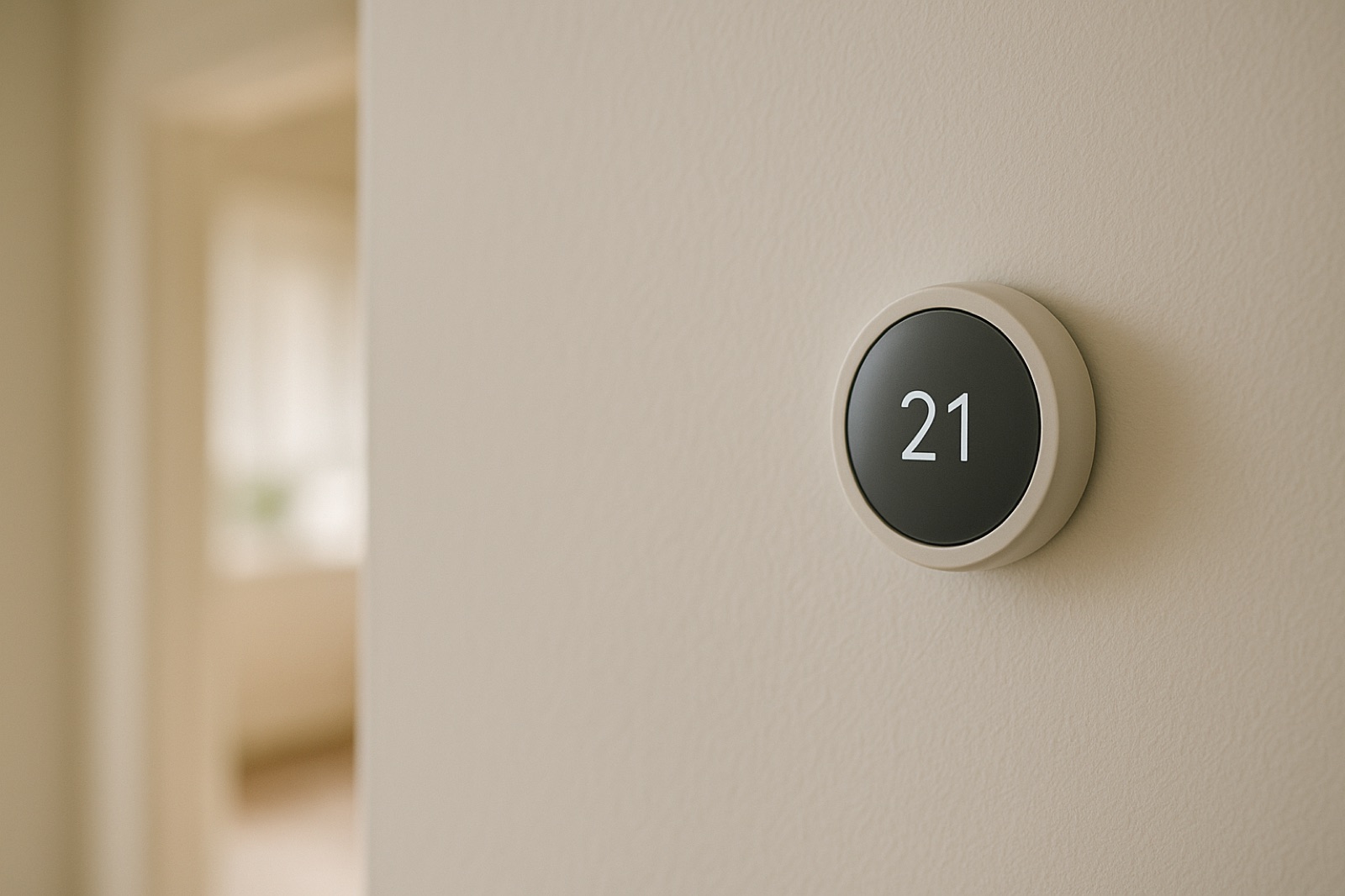
Another aspect worth considering is the increasing availability of home energy management systems that can optimize the use of electric heating. Smart thermostats and energy storage solutions, like battery systems, allow homeowners to maximize the benefits of electric heating, especially during peak energy times. This can lead to additional savings and enhance overall energy efficiency.
Conclusion
As electric heating continues to claim a larger share of the new home market, homeowners should weigh the benefits of modern electric systems against their specific needs and local energy conditions. With advancing technology and increasing support for renewable energy, electric heating is not just a passing trend but a practical choice for a growing number of homeowners looking for efficient, sustainable heating solutions.
For local service context, see a roofing contractor such as Keys Roofing.