As a competent homeowner, you know that proper maintenance is crucial for extending the life and efficiency of your HVAC system. Regular upkeep not only saves money in the long run but also ensures that your home remains comfortable year-round. Here, we’ll explore some best practices to keep your heating and cooling systems in top shape.
Regular Filter Changes
One of the simplest yet most effective maintenance tasks is changing or cleaning your air filters. Clogged filters restrict airflow, making your system work harder and less efficiently. For most systems, it’s recommended to check filters monthly, especially during peak usage seasons. If you have pets or live in a dust-prone area, more frequent changes may be needed. A clean filter can increase efficiency and improve air quality.
Keep the Outdoor Unit Clear
For central air conditioning systems, ensuring that the outdoor condenser unit is free of debris is vital. Overgrown vegetation, leaves, and trash can block airflow and significantly reduce efficiency. Aim for at least two feet of clearance around the unit. Regularly inspect and clean the area around the unit to avoid obstructions. This small effort can lead to better cooling performance and lower energy bills.
Annual Professional Inspections
While there are many maintenance tasks you can handle, an annual professional inspection can catch potential issues before they become serious problems. During these inspections, HVAC technicians can check refrigerant levels, inspect electrical components, and clean coils. An article from ACHR News notes that HVAC systems require knowledge of “technical, regulatory, and problem-solving demands,” making periodic professional servicing crucial for long-term reliability.
System Evacuation: A Step Not to Ignore
When installing or servicing your HVAC system, proper evacuation is essential. Deep evacuation removes moisture and non-condensables from the refrigerant circuit, which can lead to system failures if neglected. As highlighted in another insightful piece from ACHR News, “Deep evacuation is not a checkbox. It is system protection.” Make sure your HVAC technician follows the correct evacuation procedures, as this step is often overlooked, yet fundamental for system longevity.
Monitor Thermostat and Controls
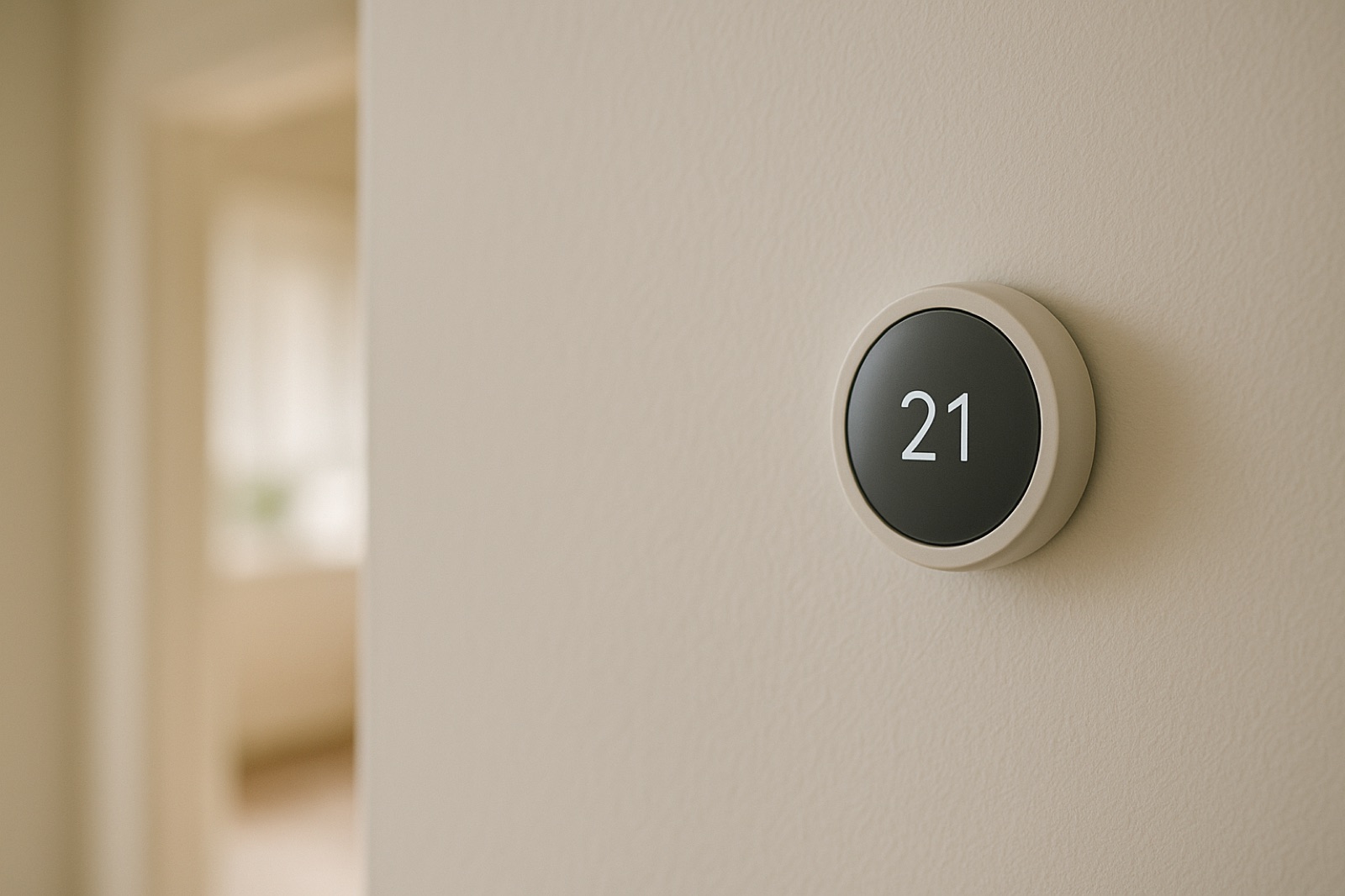
Ensure that your thermostat is functioning correctly. A malfunctioning thermostat can misread temperatures, causing the system to run longer than necessary, which increases energy consumption. Consider upgrading to a smart thermostat that can optimize your system's operation based on your lifestyle. This technology can further enhance efficiency by fine-tuning system performance, which is vital for energy conservation in today’s eco-conscious market.
Seal Ductwork
If your HVAC system uses ductwork, ensure that it is properly sealed and insulated. Leaky ducts can cause significant energy loss, leading to higher bills and uneven heating or cooling. Use mastic sealant or metal tape to seal joints and connections. Additionally, consider insulating ductwork in unconditioned spaces to reduce energy loss further. Ensuring duct integrity is critical for maintaining efficient system operation.
Water Management
HVAC systems often integrate with water heating and cooling, making it essential to manage water quality and drainage properly. Regularly inspect condensate drains for clogs and clean them to prevent water damage and mold growth. For those who want to enhance their water quality, a water treatment shop like Jones Air & Water can provide solutions tailored to your needs.
Conclusion
Maintaining your HVAC system involves a mix of regular tasks and periodic professional assistance. By staying proactive with these best practices, you can enhance the performance and lifespan of your system, ensuring you remain comfortable in your home while minimizing energy costs. Whether it is changing filters or checking ductwork, every effort contributes to a more efficient and reliable HVAC system.