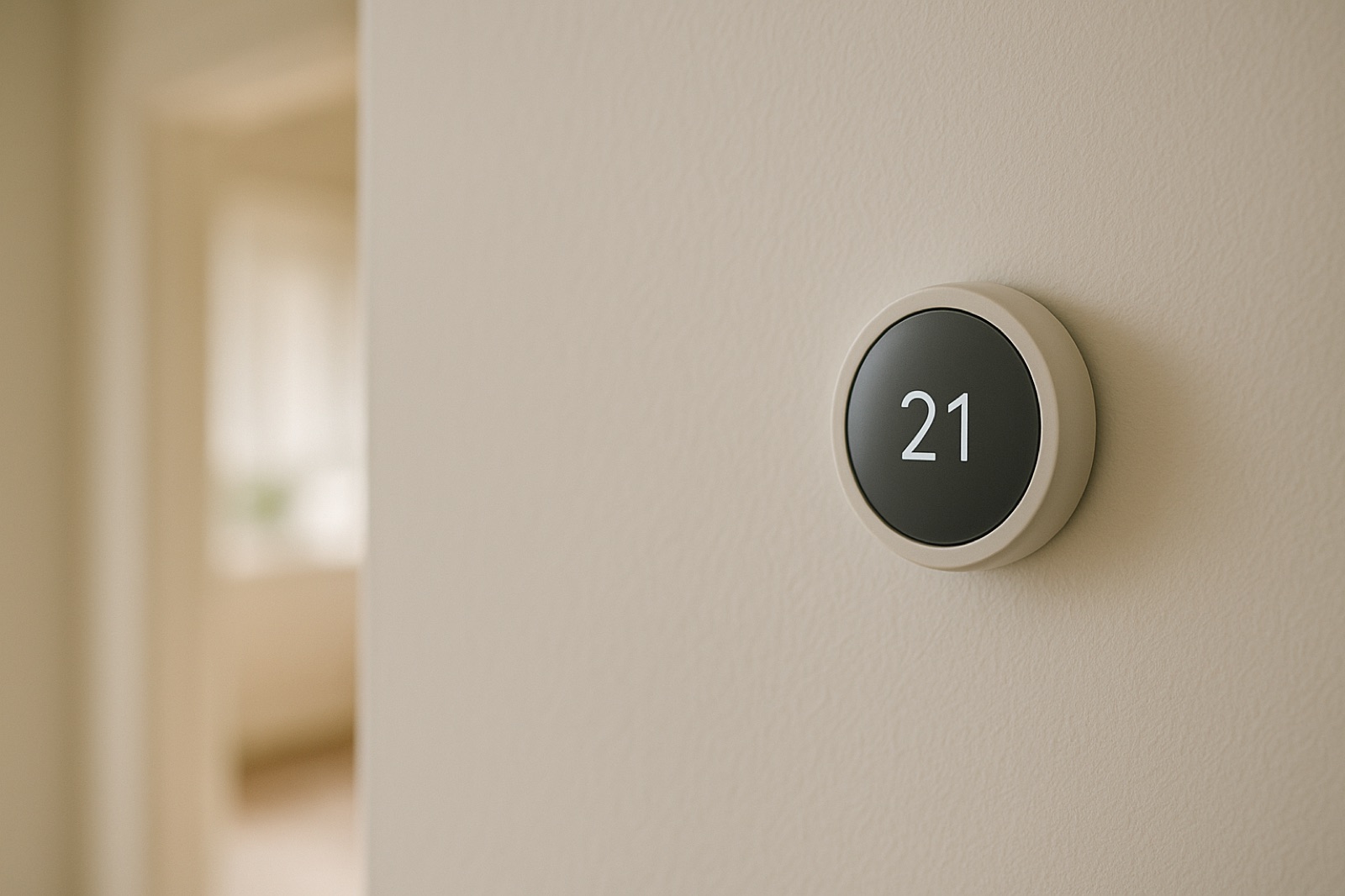
As electric heating gains traction in the residential market, it’s essential for homeowners to understand the practical implications of this shift. According to a recent report, electric heating reached its highest share of the U.S. new housing market in 2024, with 61% of newly completed units outfitted with electric systems, as noted by ACHR News. With this trend set to continue, homeowners should consider the benefits and challenges that electric heating presents.
Understanding Electric Heating
Electric heating systems include a range of technologies such as electric resistance heaters, heat pumps, and electric radiant systems. Unlike traditional fossil fuel systems, these options rely solely on electricity, offering a cleaner alternative that aligns with the growing focus on sustainability.
Benefits of Electric Heating
One major advantage of electric heating is the ease of installation. Many electric heating systems can be integrated into existing homes without major renovations. For instance, installation of electric baseboard heaters can often be done without extensive ductwork or structural modifications, making them an attractive option for retrofitting older homes.
Moreover, electric systems often come with advanced technology, such as smart thermostats that can optimize energy usage. This can lead to reduced utility bills, particularly in areas where electricity prices are lower than gas or oil. Additionally, electric heating systems can provide consistent warmth across various rooms, improving overall comfort.
Challenges to Consider
However, there are challenges associated with electric heating that homeowners should weigh carefully. The initial cost of some electric systems, particularly heat pumps, can be higher compared to traditional gas systems. Homeowners should evaluate their financial situation and energy costs to determine the best long-term solution.
Another factor to consider is electricity availability and reliability. In some areas, especially those prone to power outages, relying solely on electric heating may pose risks during winter months. Homeowners in these regions may want to look into backup heating options or hybrid systems that combine electric heating with alternative fuels.
Installation and Maintenance
For those considering electric heating, proper installation is crucial. Work with a qualified technician who understands local codes and regulations. Some systems may require modifications to your electrical panel or home wiring to handle the increased load, so ensure all work is done to code.
Maintenance for electric heating systems tends to be less demanding than for gas systems. Regular cleaning of filters and ensuring that electric components are functioning properly can help maintain efficiency. Homeowners should also be aware of potential issues such as electrical connections that might wear over time. Using a multimeter can help you check for voltage and ensure your system is running optimally.
Looking Forward
As reported by ACHR News, innovations in electric heating technology continue to emerge. For example, advancements like the new vertical stack fan coils are designed to optimize heating and cooling operations in multi-unit buildings. This indicates a growing market for sophisticated electric heating solutions that cater to both residential and commercial applications.
In conclusion, the shift towards electric heating systems represents an important evolution in the way we consider home comfort. Homeowners should weigh the benefits against challenges and stay informed about the latest developments in technology. By doing so, they can make educated decisions that will enhance their home’s efficiency, comfort, and sustainability for years to come.
For local service context, see a roofing contractor such as Keys Roofing.