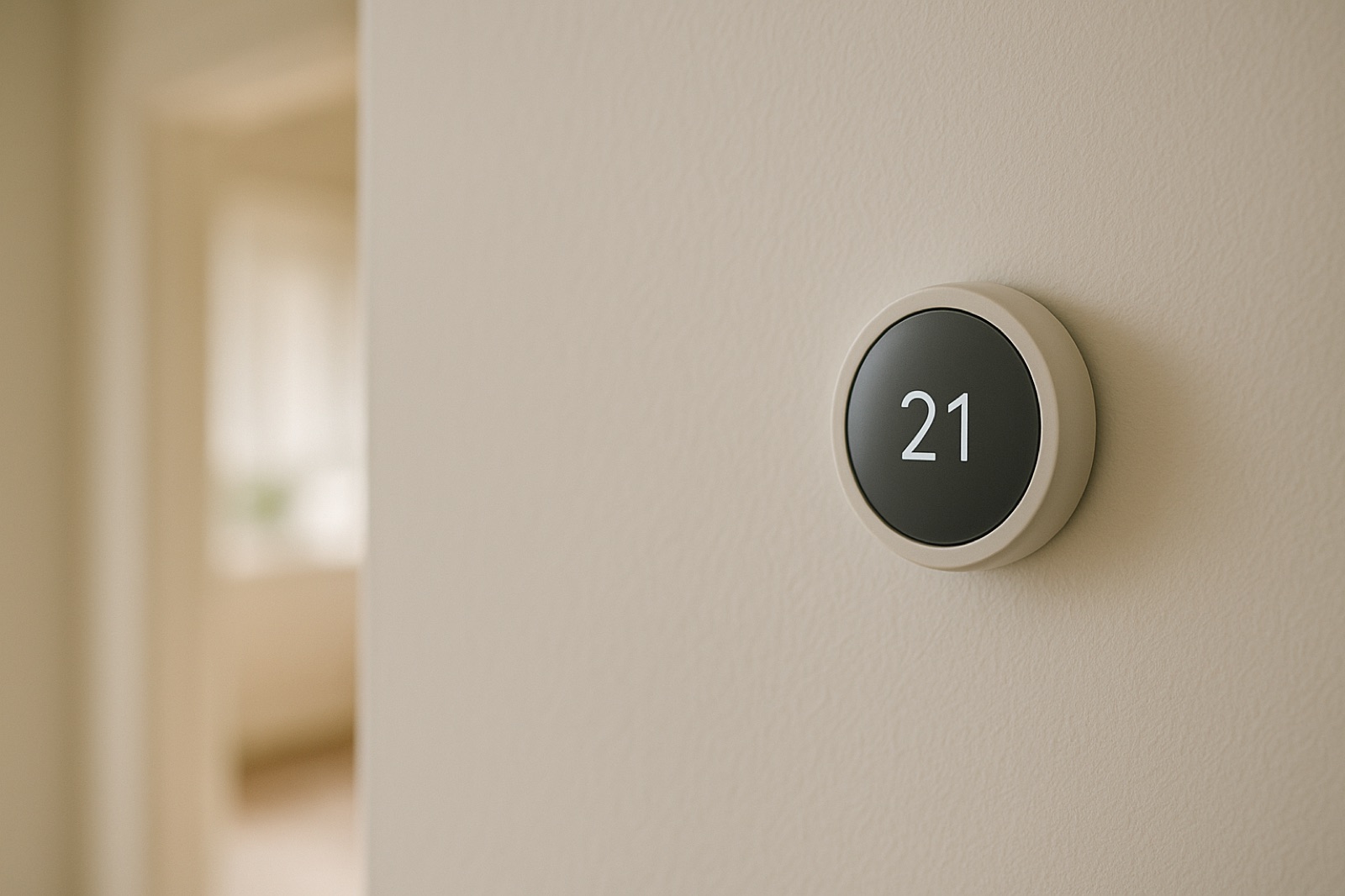
As the housing market evolves, electric heating systems are gaining traction. According to a recent report from ACHR News, electric heating reached its highest-ever share of the U.S. new housing market in 2024, with 61% of completed units featuring some type of electric system. This shift indicates a significant trend that homeowners need to consider when planning their heating systems.
Understanding the rise of electric heating requires looking at both current technology and broader energy trends. For years, traditional gas furnaces have dominated the market due to their established performance and reliability. However, increasing concerns about energy efficiency and the environmental impact of fossil fuels are pushing many homeowners to consider electric options.
Benefits of Electric Heating
Electric heating systems offer several advantages. They are typically easier to install than gas systems, requiring less infrastructure and fewer permits. For homeowners, this can mean lower initial costs and faster setup times. Additionally, electric systems can be more efficient, especially when paired with smart technology and energy management systems.
Modern electric heaters, including heat pumps and electric furnaces, are designed with efficiency in mind. Many models feature advanced technology that can provide significant energy savings compared to older systems. Heat pumps, in particular, are gaining popularity due to their ability to heat and cool a home using a single system.
Considerations for Homeowners
While electric heating systems have many benefits, they also come with considerations. One of the biggest factors is the cost of electricity in your area. Depending on your utility provider, electric heating can be more expensive than gas in certain regions. Homeowners should evaluate local energy prices and consider their long-term energy consumption when deciding on a heating system.
Moreover, for those considering a home renovation or new build, the trend toward electric heating may also influence other design choices. For example, homeowners may choose to install solar panels to offset electricity costs, especially in states with abundant sunlight. The Solar Achievements Timeline from the U.S. Department of Energy outlines advancements in solar technology that can make this an attractive option.
Conclusion
Overall, the rise of electric heating systems reflects a broader shift in the home energy landscape. As homeowners seek more efficient and environmentally friendly options, electric systems are likely to remain a focal point in future home heating strategies. With technological advancements and changing regulations, now is a pivotal time for homeowners to evaluate their heating options.
For local service context, see a water treatment shop like Jones Air & Water.