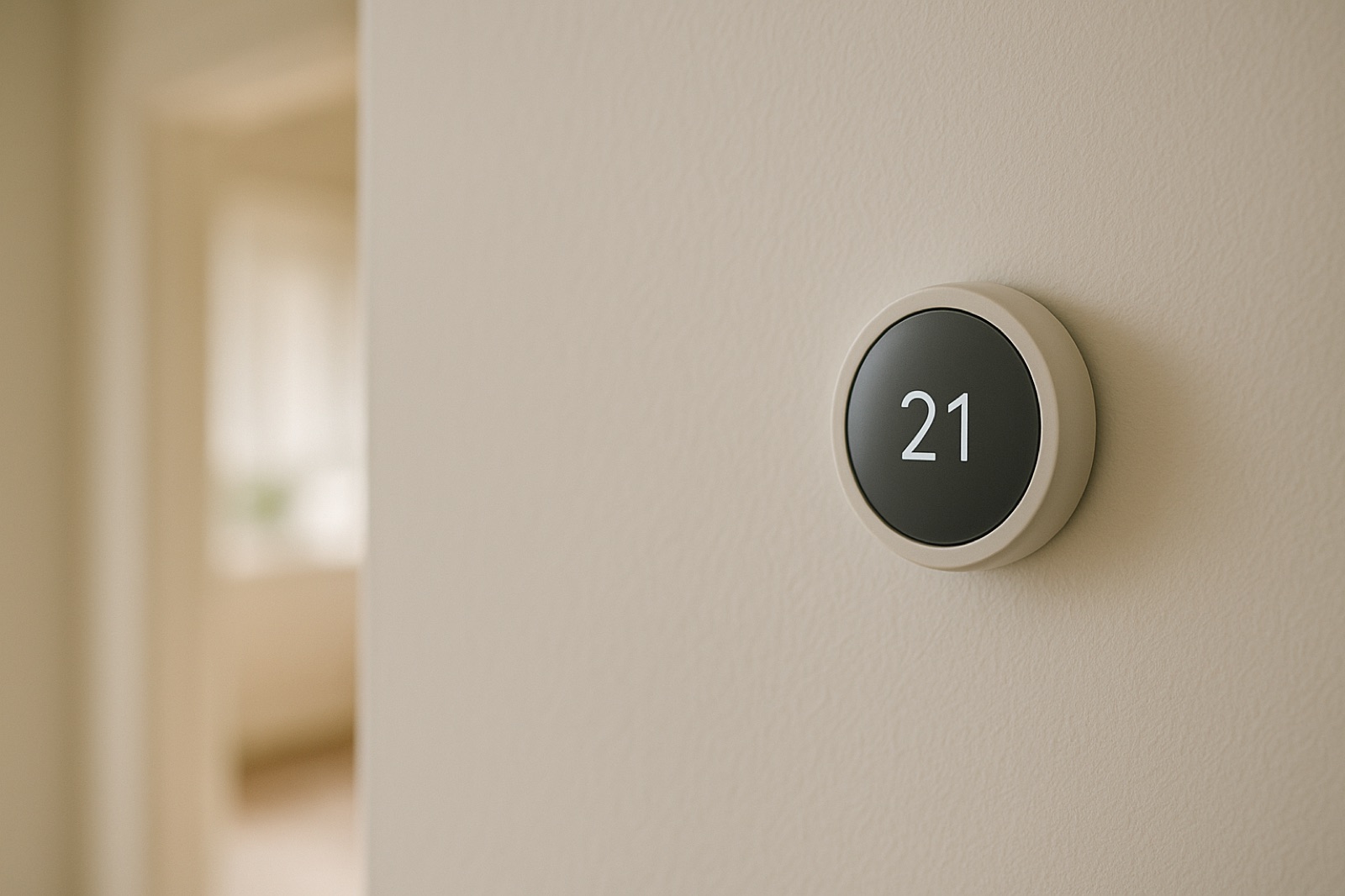
The shift towards electric heating in new homes is gaining significant traction, with reports indicating that electric systems accounted for 61% of new housing units completed in 2024. This development reflects a broader trend towards decarbonization in residential energy use, aiming to reduce reliance on fossil fuels.
Understanding the Shift
Electric heating systems have historically been viewed as less efficient and more costly compared to their gas counterparts. However, advancements in technology have changed this perception. Modern electric heating solutions, such as heat pumps and radiant floor systems, offer increased efficiency and comfort, making them attractive options for new builds. As a result, electric heating is seeing its highest-ever share of the U.S. new housing market, as noted in a recent report from the Building Decarbonization Coalition, which you can read about in the summary from ACHR News.
Benefits of Electric Heating
One of the primary advantages of electric heating is its compatibility with renewable energy sources. Homeowners can generate their own electricity through solar panels, reducing their overall energy costs and environmental impact. Additionally, electric heating systems often require less maintenance compared to gas systems, which can save homeowners both time and money in the long run.
Considerations for Homeowners
While the benefits are significant, homeowners should also be aware of certain considerations when transitioning to electric heating. The initial installation costs of advanced electric systems can be higher, although they may be offset by potential rebates and incentives. For example, the Department of Energy's $8.8 billion rebate programs are designed to assist homeowners in upgrading their HVAC systems, which may include electric heating options. As mentioned in an article from ACHR News, these programs can help offset installation costs, making electric systems more accessible.
Installation and Upgrades
For those considering a switch to electric heating, proper planning and execution are crucial. Homeowners should consult with qualified HVAC professionals to evaluate their specific needs and the feasibility of installation. Upgrading insulation and ductwork can enhance the efficiency of electric heating systems, ensuring that the home stays comfortable during colder months.
An important point to consider is the existing infrastructure of your home. Older homes may require significant updates to handle new electric heating systems. Consulting with a roofing contractor such as Keys Roofing can also help ensure that your home is prepared for any necessary upgrades and that the roof can support any new installations, such as solar panels.
Conclusion
The trend towards electric heating in new homes is not only a reflection of changing preferences but also an important step towards a more sustainable future. Homeowners who invest in electric heating systems can enjoy improved efficiency, reduced maintenance, and the potential for lower energy costs. However, careful planning and consideration of the home’s existing systems will be key in making the most of this transition.