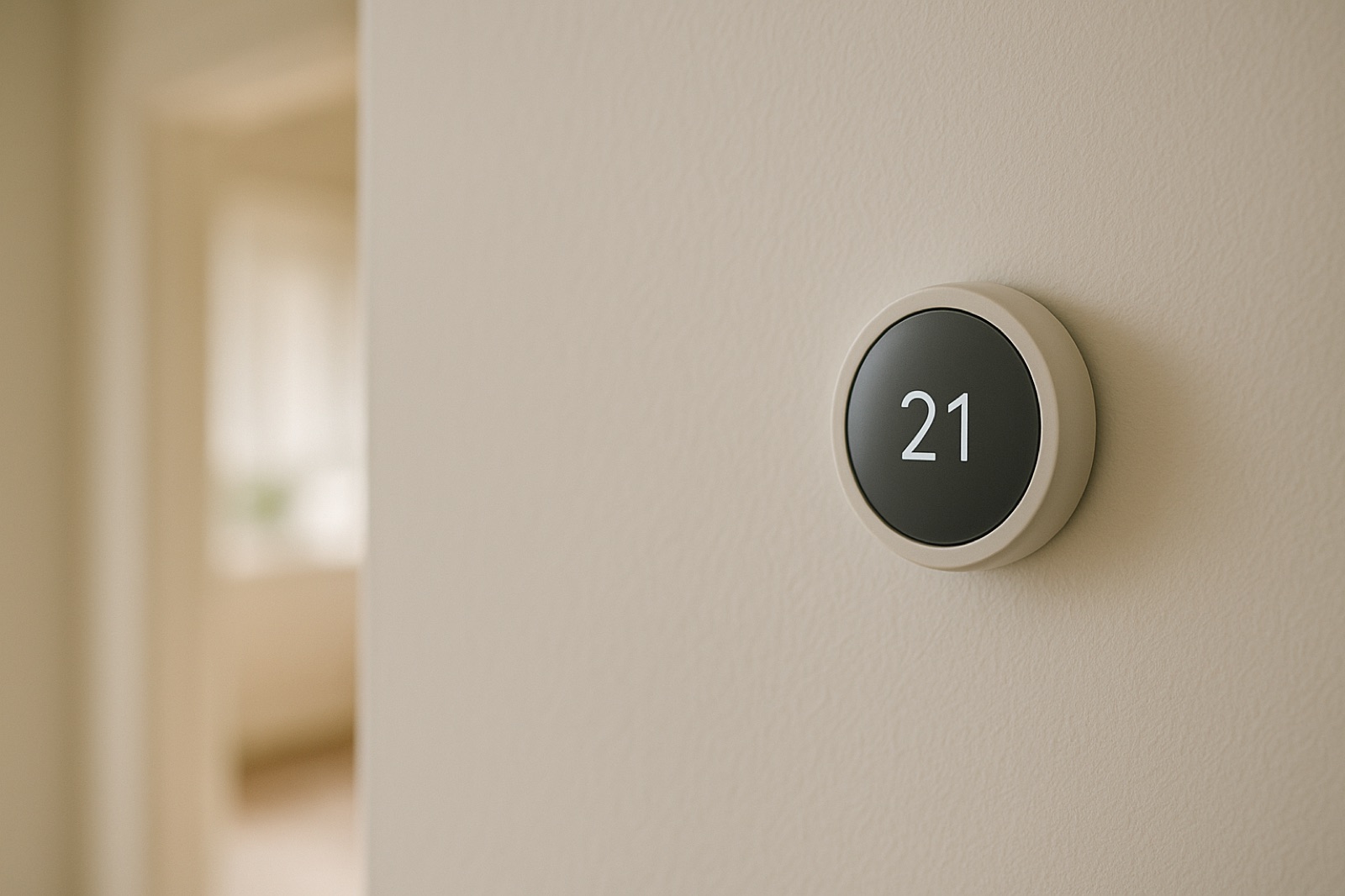
The landscape of residential heating is undergoing significant changes, particularly with the increasing adoption of electric heating systems in new homes. According to a report from the Building Decarbonization Coalition, electric heating reached its highest-ever share of the U.S. new housing market in 2024, with 61% of completed units featuring electric systems. This shift is not just a trend; it reflects a broader movement towards sustainable and energy-efficient home solutions.
Why the Shift to Electric Heating?
The emphasis on electric heating is largely driven by the push for decarbonization in residential buildings. Many states are implementing stringent building codes that favor electric systems over traditional fossil fuel-based heating options. This transition is essential for reducing carbon footprints and achieving long-term sustainability goals.
Electric heating systems offer several advantages for homeowners. One of the most significant benefits is the reduced operational costs associated with electric units, especially when combined with renewable energy sources, such as solar power. Homeowners can effectively lower their energy bills while also contributing to a greener environment. Additionally, electric heating systems often require less maintenance than their gas counterparts, resulting in potential savings over the lifespan of the equipment.
Types of Electric Heating Systems
There are various electric heating options available on the market, each with its own set of advantages. Common systems include:
- Baseboard Heaters: These are often installed along the base of walls and can provide efficient and consistent heating. They are relatively easy to install and require minimal maintenance.
- Electric Radiant Floor Heating: This system uses electric cables or mats installed beneath the flooring to provide warmth from the ground up. It is particularly popular in bathrooms and kitchens.
- Heat Pumps: Air-source and ground-source heat pumps are versatile systems that can provide both heating and cooling. They leverage outdoor temperatures to heat or cool your home, making them a highly efficient choice.
Navigating the Transition
For homeowners considering a switch to electric heating, several factors should be evaluated. First, it is crucial to determine whether your existing electrical system can handle the additional load of electric heating. Upgrading your electrical panel or wiring may be necessary, especially in older homes.
Furthermore, the choice of heating system should align with your home’s layout and specific heating needs. Consulting with an HVAC professional can provide valuable insights into the most effective solutions for your situation. They can help assess your home’s insulation and energy efficiency, which are critical for maximizing the performance of any heating system.
Incentives and Rebates for Electric Systems
The transition to electric heating is also being supported by various government programs aimed at encouraging homeowners to upgrade their systems. The Department of Energy's rebate initiatives, including the HOMES and HEEHR programs, are designed to make these upgrades more financially accessible. By offering rebates for energy-efficient heating installations, these programs can significantly offset the initial costs associated with transitioning to electric heating.
As noted in an article from ACHR News, "How DOE's $8.8B Rebate Programs Help HVAC", these rebates can boost business for HVAC contractors while simultaneously making it easier for homeowners to invest in modern, efficient systems. This financial support is crucial as more homeowners begin to recognize the long-term benefits of electric heating.
The Future of Home Heating
The movement towards electric heating systems is gaining momentum and is likely to continue as homeowners seek more efficient and environmentally friendly options. As technology advances and the electrical grid becomes greener, the benefits of electric heating will become even more pronounced.
In conclusion, the trend towards electric heating reflects a significant shift in the residential heating market driven by sustainability and efficiency. Homeowners who embrace this change not only invest in their comfort but also contribute to a more sustainable future. As always, it is advisable to do thorough research and consult with professionals when making changes to your home's heating system.
For local service context, see a roofing contractor such as Keys Roofing.