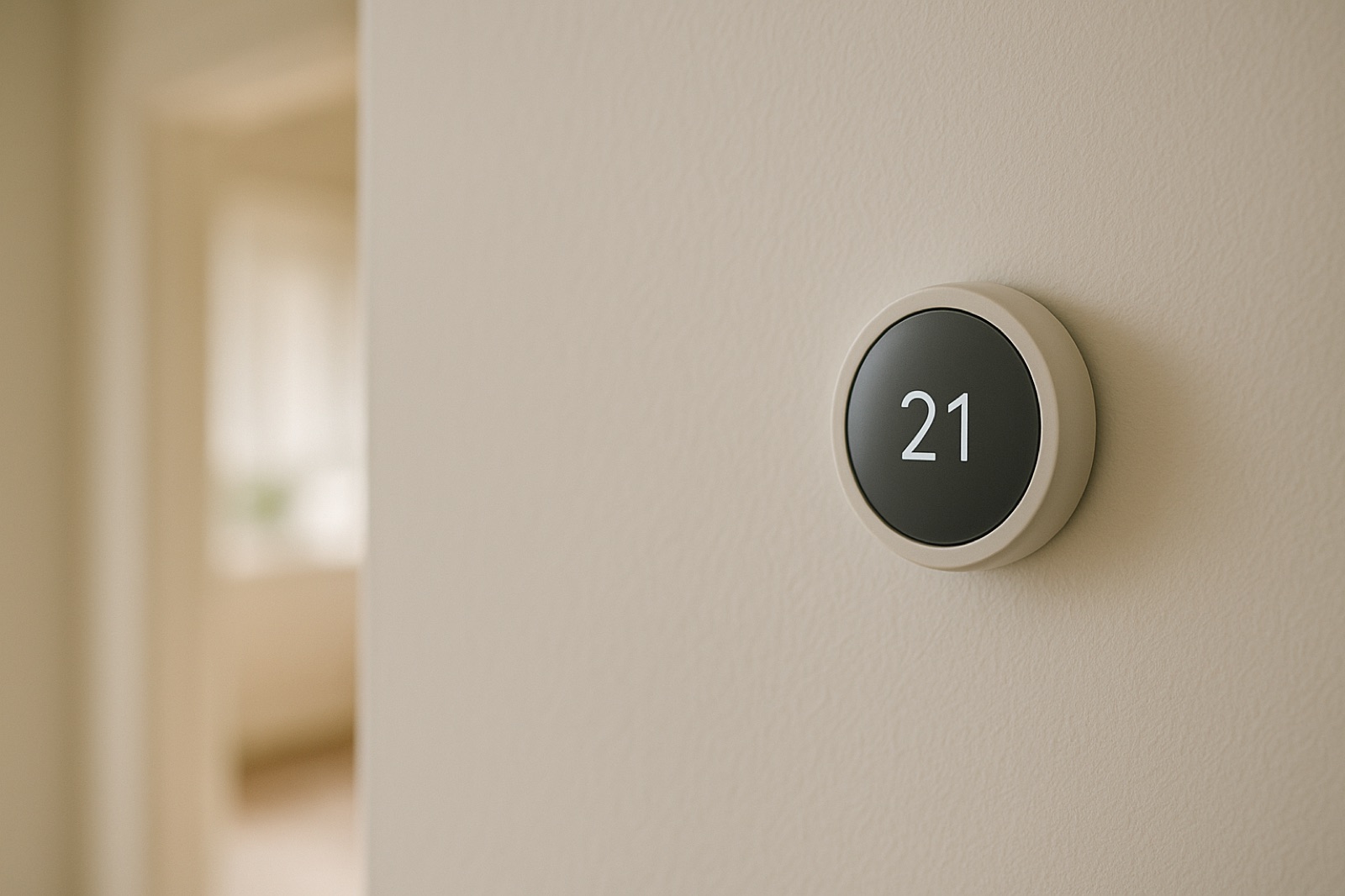
As homeowners seek more efficient and environmentally friendly heating and cooling options, heat pumps have become a popular choice. This technology has evolved significantly over the years, moving from niche applications to mainstream adoption. Understanding how heat pumps work and their benefits can help homeowners make informed decisions about their heating and cooling systems.
How Heat Pumps Work
Heat pumps operate on a simple principle: they transfer heat from one place to another. In the winter, they pull heat from the outside air (even in cold temperatures) and transfer it indoors. In the summer, they reverse the process, removing heat from the interior and dumping it outside. This two-way functionality makes heat pumps versatile for both heating and cooling.
Efficiency Benefits
Heat pumps are known for their efficiency. Unlike traditional heating systems that generate heat by burning fuel or using electric resistance, heat pumps move heat rather than create it. This results in a higher efficiency rating, often measured in Heating Seasonal Performance Factor (HSPF) for heating and Seasonal Energy Efficiency Ratio (SEER) for cooling. According to the U.S. Department of Energy, many heat pumps have efficiencies of 300 to 400 percent, meaning for every unit of energy consumed, they can provide three to four units of heating or cooling.
Considerations for Installation
While heat pumps offer significant benefits, there are critical factors to consider before making a switch. First, the climate plays a significant role in their effectiveness. In milder climates, heat pumps can operate efficiently year-round. However, in regions with extreme cold, homeowners may need to consider a hybrid system that combines heat pumps with traditional heating methods to ensure comfort during the coldest months.
Installation choices are also vital. Homeowners need to ensure that the heat pump is appropriately sized for their home. An oversized unit can lead to short cycling, which reduces efficiency and comfort. Conversely, an undersized unit will struggle to maintain the desired temperature.
The Shift Towards Renewable Energy
As the demand for renewable energy grows, many homeowners are considering integrating solar panels to power their heat pumps. This combination can further reduce energy costs and dependence on fossil fuels. The U.S. Department of Energy has highlighted the success of initiatives like the SunShot Initiative, which focused on making solar energy cost-competitive. This trend aligns well with the increasing adoption of heat pumps, as they can significantly enhance the efficiency of a home's energy use.
Conclusion
The transition to heat pumps represents a significant shift in home heating and cooling practices. For homeowners looking to improve energy efficiency and reduce their carbon footprint, understanding the benefits and considerations of heat pumps is essential. As this technology continues to evolve and integrate with renewable energy sources, it offers a promising solution for achieving home comfort in a sustainable manner.
For local service context, see a roofing contractor such as Keys Roofing.