In today's market, energy efficiency is a buzzword that many homeowners encounter when shopping for new heating and cooling systems. With advancements in technology and a growing demand for sustainable solutions, the question becomes how to effectively balance efficiency with practicality. When investing in a new HVAC system, understanding its efficiency ratings and the real-world implications for your home comfort is essential.
Efficiency Ratings Explained
HVAC systems are often rated for their efficiency using metrics such as the Seasonal Energy Efficiency Ratio (SEER) for air conditioners and the Annual Fuel Utilization Efficiency (AFUE) for furnaces. A higher SEER or AFUE indicates a more efficient system, which translates to lower energy bills and a reduced environmental footprint. However, systems with higher efficiency ratings often come with a higher upfront cost.
Homeowners must consider whether the long-term savings on energy bills justify the initial investment. Often, the payback period for high-efficiency systems can range from a few years to over a decade, depending on local energy costs, the efficiency of existing systems, and the frequency of use.
Real-World Considerations
While efficiency is a significant priority, practical considerations often influence the final decision. Installation costs, maintenance requirements, and the specific needs of your home all play crucial roles. For example, in climates with extreme temperatures, a high-efficiency system may be necessary to maintain comfort levels year-round.
Additionally, the existing ductwork in your home can impact the overall efficiency of your HVAC system. If your ducts are leaky or poorly insulated, even the most efficient unit will struggle to deliver optimal performance. This is why many homeowners choose to upgrade their duct systems when they replace their HVAC units, which can further drive up initial costs.
The Role of Technology
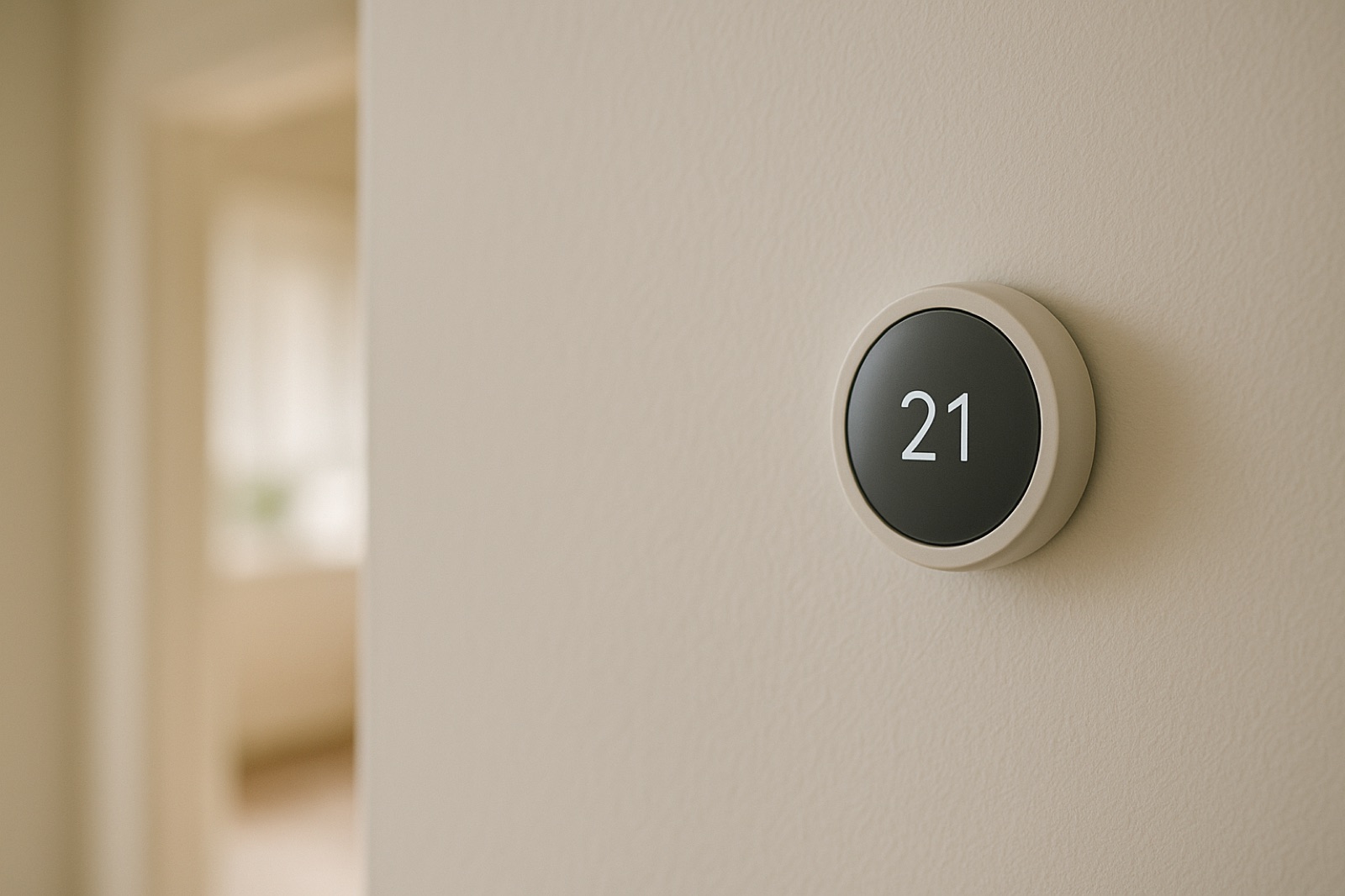
Emerging technologies also impact the efficiency landscape. Smart thermostats are an excellent example of how technology can enhance system performance. By learning your habits and adjusting settings accordingly, these devices can significantly reduce energy consumption during off-peak hours. According to a recent piece from ACHR News, the HVACR industry is seeing a surge in interest, particularly among younger technicians who are key in implementing these advanced solutions.
Solar Integration and Its Impact
Another aspect to consider is the integration of solar energy with HVAC systems. With efforts like the U.S. Department of Energy's Solar Achievements Timeline, the cost of solar technology continues to decrease, making it a viable option for homeowners looking to power their HVAC systems sustainably. However, the initial investment for solar panels and the associated infrastructure can be daunting.
When evaluating solar solutions, consider how they will integrate with your HVAC system and the space available for installation. While the long-term benefits can be substantial, the upfront costs and potential complexities of installation are critical factors to weigh.
Making the Right Choice
Ultimately, the decision around HVAC efficiency comes down to your specific situation, including budget, local climate, and personal preferences. A high-efficiency system may significantly reduce energy costs and enhance comfort, but the initial investment must align with your financial situation and long-term goals.
Before making a final decision, it's recommended to consult with an HVAC professional who can offer insights tailored to your home's unique characteristics. This investment in understanding will ensure that your HVAC system serves you well, providing comfort for years to come without unexpected costs.
For local service context, see a roofing contractor such as Keys Roofing.