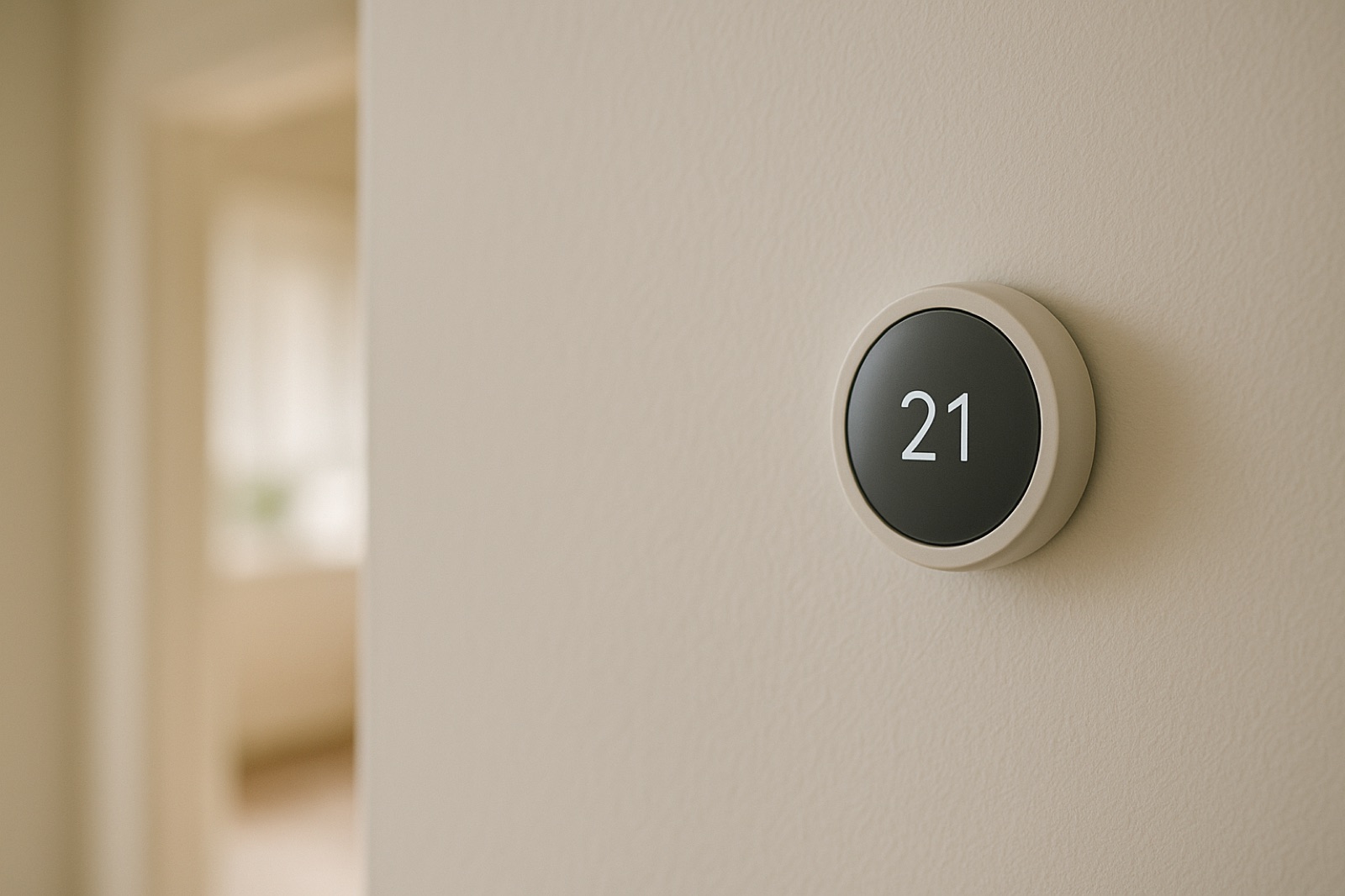
In recent years, electric heating has increasingly become a popular choice in new construction, marking a significant shift in how homeowners approach heating their living spaces. With more focus on efficiency and sustainability, it is essential for competent homeowners to understand the benefits and implications of this trend.
Electric Heating Takes Center Stage
According to a report from ACHR News, electric heating systems reached their highest-ever share of the U.S. new housing market in 2024, with 61% of newly completed units incorporating some type of electric system. This transition reflects not only a preference for cleaner energy sources but also advances in technology that have made electric heating more viable and appealing.
Why Electric Heating?
Electric heating systems come with several advantages. They typically offer better space efficiency, as they can be installed in smaller areas compared to traditional gas systems. These systems can also provide precise temperature control and can often be integrated with smart home technology, enhancing user convenience.
From a maintenance perspective, electric heating systems generally require less upkeep compared to their gas counterparts. Homeowners can avoid the complexities of gas line inspections and potential issues related to combustion. Moreover, as more regions implement stricter regulations on emissions, electric heating is positioned as a more compliant option for new homes.
Cost Considerations
While electric heating can have higher upfront costs associated with installation compared to gas systems, it is crucial to consider long-term operational savings. Electric systems can be more efficient, especially if powered by renewable energy sources like solar or wind. The U.S. Department of Energy's Solar Achievements Timeline emphasizes how solar energy can complement electric heating systems, driving down the overall cost of energy while contributing to a reduced carbon footprint.
Compatibility with Existing Infrastructure
For homeowners considering a switch to electric heating, an important factor is how well these systems integrate with existing infrastructure. Many new builds are designed with electric heating in mind, but retrofitting an older home may require additional electrical work. Homeowners should assess their current electrical capacity and consult with a qualified technician to ensure compatibility.
Moving Forward
As the trend toward electric heating continues to grow, the implications for both new constructions and existing homes become increasingly evident. Homeowners must be proactive in understanding their options and the potential benefits electric heating can offer. If you are considering upgrading or installing a heating system, a water treatment shop like Jones Air & Water can provide valuable insights into the most efficient and suitable solutions for your home.
The shift towards electric heating aligns with broader trends in energy efficiency and sustainability. By embracing these systems, homeowners are not just investing in their comfort but also in a more sustainable future.