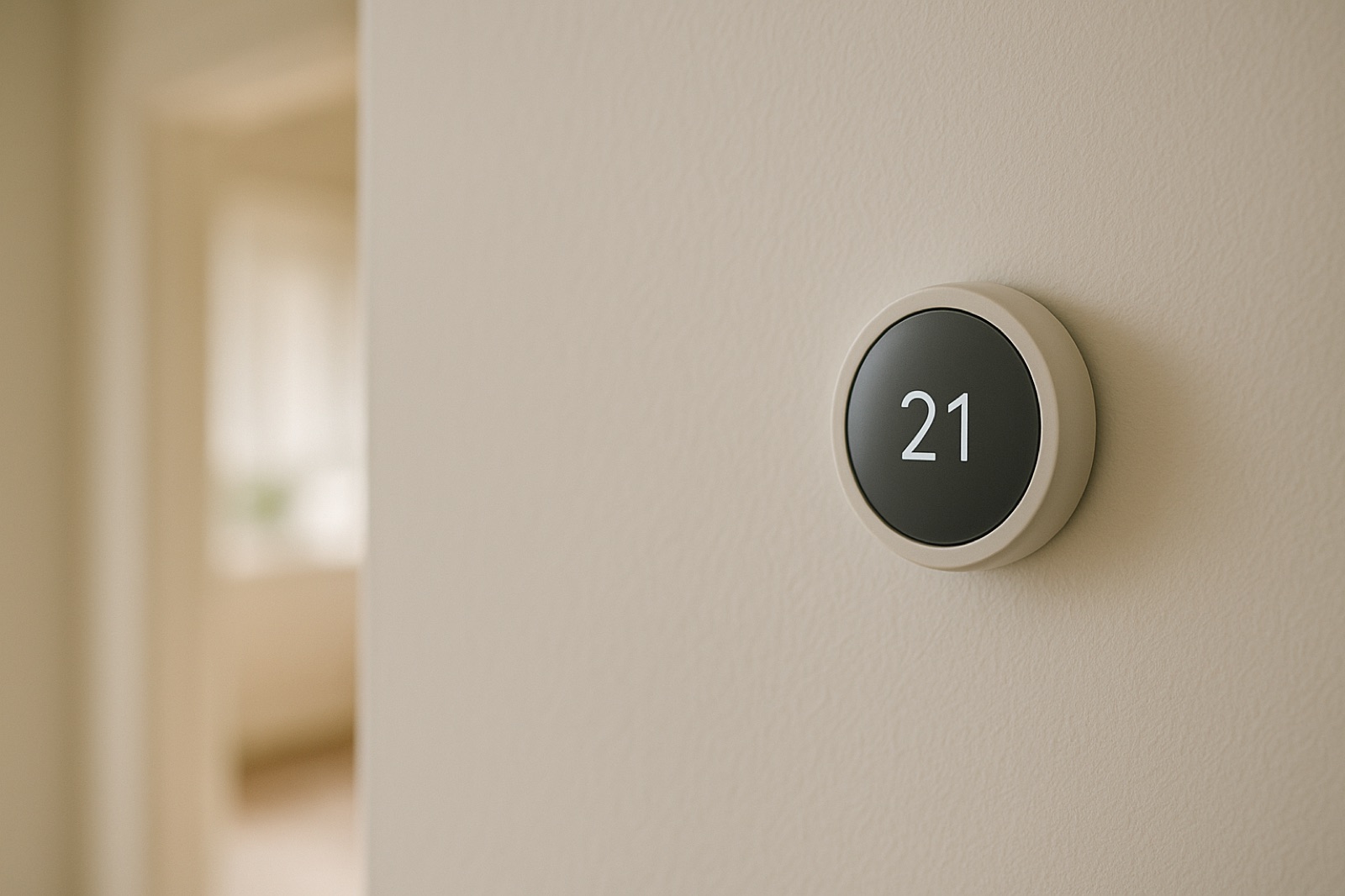
As the landscape of residential heating evolves, the adoption of electric heating systems is on the rise. Recent data shows that electric heating has reached its highest-ever share of the U.S. new housing market in 2024, with 61% of newly completed housing units outfitted with some form of electric system, according to the U.S. Census Bureau. This shift presents several considerations for homeowners and builders alike.
The Benefits of Electric Heating
Electric heating systems are often lauded for their efficiency and ease of installation. Unlike traditional gas or oil systems, electric systems require less infrastructure, which can reduce installation costs and complexity. Additionally, electric heating can provide more consistent temperatures throughout the home.
From a homeowner's perspective, electric heating systems often translate to lower maintenance requirements. Without the need for fuel delivery or complex venting systems, the upkeep becomes simpler, allowing homeowners to focus on more pressing maintenance tasks.
Environmental Considerations
The push towards electric heating is also aligned with broader environmental goals. As the nation moves towards decarbonization, electric heating presents a path to reduce reliance on fossil fuels. When powered by renewable energy sources, electric heating can offer a significantly lower carbon footprint compared to traditional heating methods.
Moreover, the integration of electric heating systems can streamline future upgrades, such as the installation of solar panels or energy-efficient appliances. This holistic approach to energy use can contribute to long-term savings and sustainability for homeowners.
The Impact of Incentives and Rebates
Government initiatives are also playing a crucial role in this shift. The Department of Energy's recent rebate programs, totaling $8.8 billion, aim to incentivize homeowners and contractors to upgrade to more efficient HVAC systems. These programs can help offset the initial costs associated with installing electric heating systems, making them more accessible to a broader range of homeowners. As stated by ACHR News, these rebates can significantly boost business for contractors while facilitating energy-efficient upgrades for residents.
Challenges and Considerations
Despite the advantages, the transition to electric heating is not without challenges. Homeowners should consider the potential for increased electricity costs, especially in regions where electricity rates are high. Additionally, the performance of electric heating systems can vary significantly depending on the insulation quality and design of the home.
Furthermore, as demand for electric heating systems grows, so does the need for skilled technicians who can install and maintain these systems. While the field is attracting attention, there is still a pressing need for skilled tradespeople who can navigate the complex regulatory and technical demands of electric heating installations, as highlighted in the opinion piece by ACHR News.
Conclusion
Electric heating is not just a trend; it represents a significant shift in how we approach home heating in the U.S. With benefits ranging from efficiency to environmental sustainability, it is easy to see why an increasing number of new homes are adopting these systems. As rebates and incentives continue to roll out, informed homeowners can take advantage of this shift, ensuring that their heating systems are not only effective but also aligned with future energy goals.
For local service context, see a water treatment shop like Jones Air & Water.