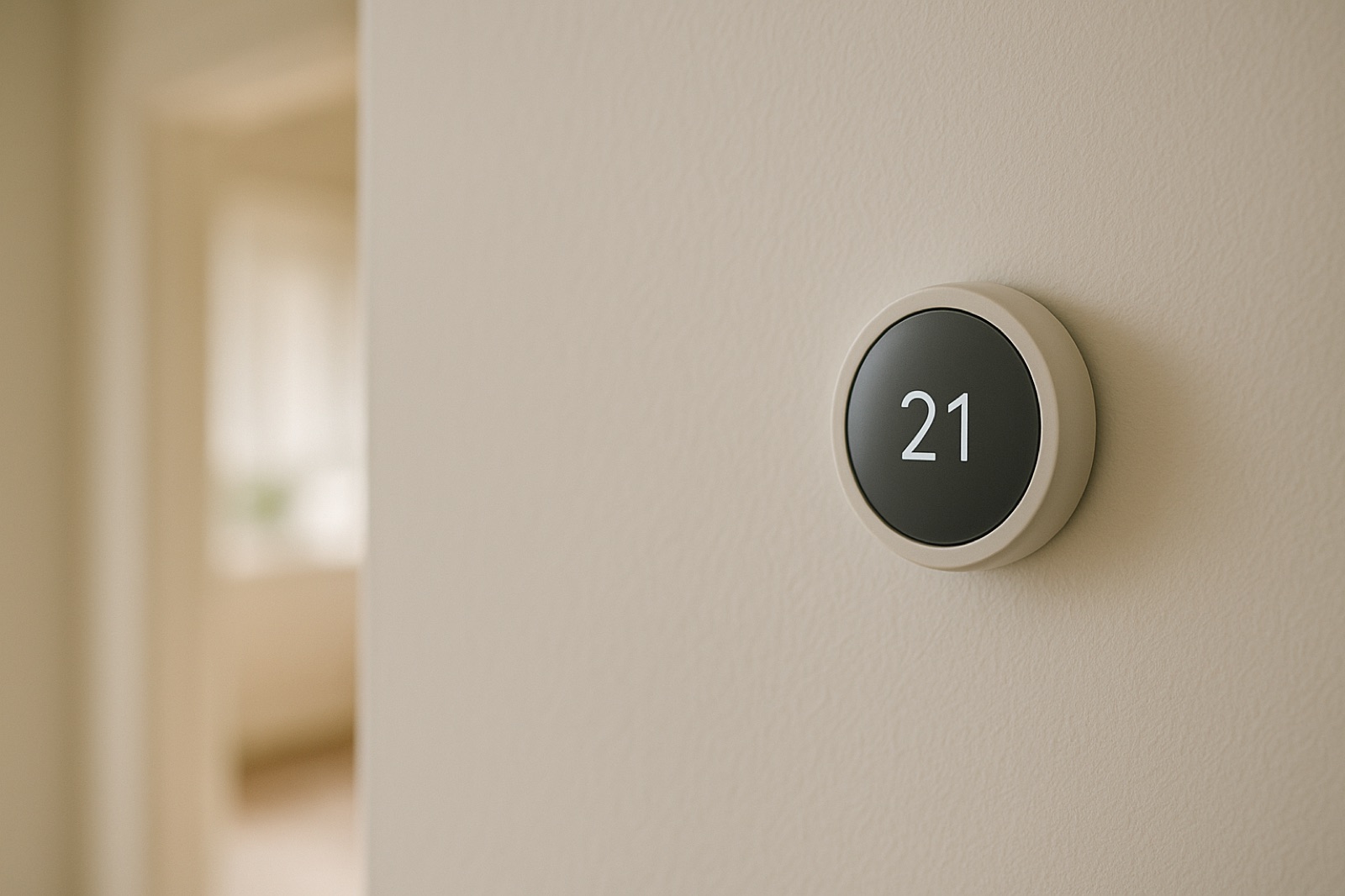
As the construction industry evolves, electric heating systems are gaining traction in new homes. According to a report from the Building Decarbonization Coalition, electric heating systems accounted for the highest share of the U.S. new housing market in 2024, indicating a shift in building practices and consumer preferences.
The Rise of Electric Heating
The trend towards electric heating is not merely a passing phase. With 61% of newly completed housing units featuring some type of electric heating system, homeowners are increasingly recognizing the benefits of this technology. Electric systems often offer greater efficiency, easier installation, and lower maintenance costs compared to traditional gas-based systems. Furthermore, as more states implement stricter energy regulations, electric heating remains an attractive option for builders looking to comply with environmental standards.
Why Homeowners Should Consider Electric Heating
For homeowners, electric heating systems can provide a range of advantages. Firstly, they usually have a simpler installation process compared to their gas counterparts. Since electric systems do not require venting or extensive ductwork, they can be easier and less expensive to set up in both new constructions and renovations.
Additionally, electric heating systems can be more versatile. Options such as electric baseboards and radiant floor heating allow homeowners to customize their comfort levels in different rooms. With the rise of smart home technology, many electric heating systems now come equipped with features that allow for remote control and programming, helping to optimize energy use.
Environmental Impact and Energy Efficiency
One of the driving forces behind the adoption of electric heating is the environmental benefits associated with reduced carbon footprints. As cities and states push for greener building practices, electric heating systems can play a significant role in reducing greenhouse gas emissions, especially when paired with renewable energy sources such as solar or wind. This aligns with broader initiatives to combat climate change and promote sustainability.
Challenges of Electric Heating Systems
However, the transition to electric heating is not without its challenges. In areas where electricity prices are high, operating costs can outweigh the advantages. Additionally, electric heating may not be as effective in extremely cold climates without supplemental systems. Homeowners in these regions should evaluate local energy rates and the typical climate conditions when considering electric heating.
Looking Ahead
As the housing market continues to evolve, the popularity of electric heating systems is likely to grow. It is essential for homeowners to stay informed about the latest technologies and market trends to make the best choices for their needs. A water treatment shop like Jones Air & Water can also provide insights on how heating and water systems can work together effectively.
The shift towards electric heating reflects larger changes in how homes are being designed and built. Homeowners who embrace this trend may find themselves better equipped to handle the future of energy consumption in their households.
For more in-depth discussions on the rising popularity of electric heating systems, consult the ACHR News article.