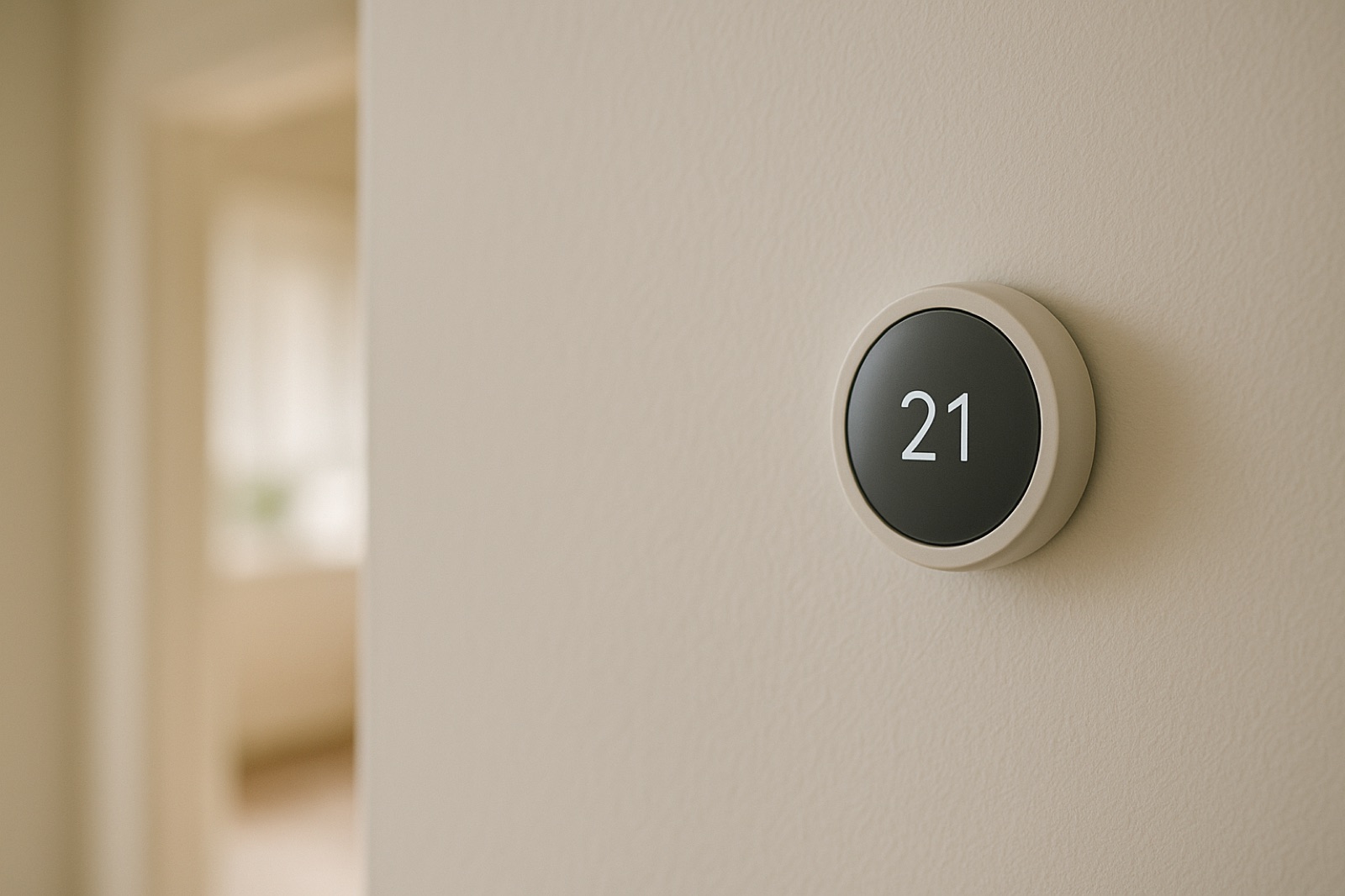
The landscape of home heating is evolving, with electric heating systems making significant inroads in new residential constructions. As homeowners become more environmentally conscious, many are opting for electric heating solutions over traditional gas systems. Recent data indicates that electric heating reached its highest-ever share of the U.S. new housing market in 2024, with 61% of new units being equipped with some form of electric heating system, according to a report by the Building Decarbonization Coalition.
The Rise of Electric Heating
This increase can be attributed to various factors, including advancements in electric heating technology and a growing emphasis on sustainability. Electric heating systems, such as heat pumps, are not only more efficient but also align with state and national pushes towards decarbonization. These systems can significantly reduce greenhouse gas emissions, making them an attractive option for eco-conscious homeowners.
Comparative Advantages
One of the key advantages of electric heating systems is their versatility. They can be used for both space heating and water heating, relying on electricity rather than fossil fuels. This flexibility allows homeowners to streamline their energy sources. Additionally, electric systems typically have lower upfront installation costs compared to gas systems, which can require extensive venting and safety precautions.
Moreover, electric heating systems are easier to maintain. Since they have fewer moving parts than gas furnaces, they generally require less frequent servicing. Homeowners equipped with a multimeter can perform simple checks on their systems, ensuring they operate efficiently throughout the heating season.
A Growing Market
The shift towards electric heating is also being fueled by various governmental incentives and rebate programs. The Department of Energy's recent initiatives, including the HOMES and HEEHR programs, offer rebates for HVAC equipment upgrades that include energy-efficient electric systems. As stated in a recent ACHR News article, these programs can significantly boost interest in electric heating options.
Future Considerations
While the future looks promising for electric heating, there are considerations for homeowners and contractors alike. As demand increases, so does the need for skilled technicians capable of installing and servicing these systems. The HVACR industry must attract younger workers who are interested in the trades, as highlighted in another ACHR News discussion. Offering competitive compensation and training opportunities will be vital to cultivate a workforce ready to meet the needs of this evolving market.
Conclusion
In conclusion, the rising trend of electric heating in new homes reflects a broader shift towards sustainable living. As technology improves and rebates become more accessible, electric heating systems are poised to gain further traction. Homeowners considering a new build or an upgrade should weigh the benefits of electric systems against their specific needs and long-term energy goals. As always, having the right tools and knowledge can empower homeowners to make informed decisions about their heating systems.
For local service context, see a roofing contractor such as Keys Roofing.