The heating landscape in residential construction is changing, with electric heating systems gaining significant traction. According to a report from the Building Decarbonization Coalition, electric heating reached its highest-ever share of the U.S. new housing market in 2024. As homeowners, it is crucial to understand the implications of this shift, especially if you're considering upgrades or a new build.
Understanding Electric Heating Systems
Electric heating encompasses several types of systems, including baseboard heaters, electric furnaces, and heat pumps. Each of these options has its unique set of characteristics, but they all share the common trait of drawing energy from the electrical grid to generate heat. This is in contrast to traditional gas or oil systems that rely on combustion fuels.
One of the most significant advantages of electric heating is efficiency. These systems can convert nearly all the energy they consume into heat, unlike combustion systems which may lose energy through exhaust. Furthermore, modern electric heating solutions, such as heat pumps, are capable of both heating and cooling, offering year-round climate control.
Considerations for Homeowners
While the benefits of electric heating are appealing, there are critical factors to weigh before making a switch. First, assess your local energy costs. In some regions, electricity can be substantially more expensive than natural gas, making electric heating less economical. However, in areas where the grid is increasingly powered by renewable sources, the long-term cost and environmental benefits start to favor electric systems.
Another consideration is the installation process. Electric heating systems are often less complex to install compared to gas or oil systems. This can mean lower upfront installation costs and potentially less disruption during the installation process. If you're a hands-on homeowner, you might even consider DIY options for electric baseboard heaters or ductless mini-split systems, provided you adhere to local codes and safety standards.
Adapting to New Technologies
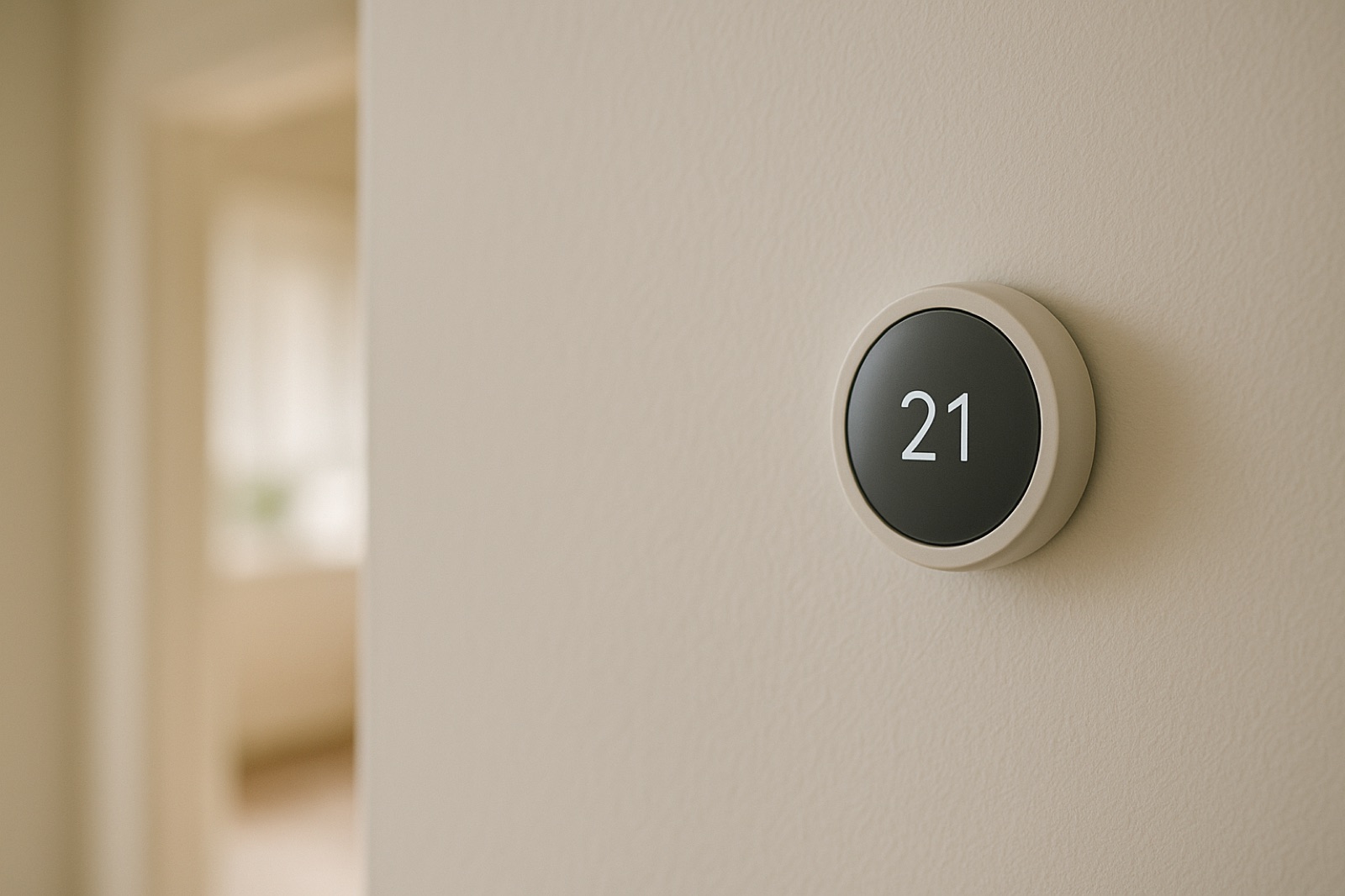
The rise in electric heating adoption is partly driven by newer technologies that improve efficiency and usability. For instance, the integration of smart thermostats and home automation systems allows for better control over heating schedules and energy consumption. As these technologies become more common, homeowners may find it easier to manage electric heating systems while maximizing comfort and minimizing costs.
Moreover, the trend towards electric systems may also influence the future of energy markets. With a growing focus on reducing carbon footprints, electric heating can play a pivotal role in achieving a more sustainable home environment. The increased demand for electric systems is pushing manufacturers to innovate, aiming for even higher efficiencies and more user-friendly features.
Looking Ahead
Ultimately, as electric heating systems gain momentum, it is crucial for homeowners to stay informed. Understanding the differences between heating methods, evaluating personal energy costs, and considering technological advancements will equip you to make the best decision for your home. As noted, “Electric heating gained momentum in new homes,” and with the right approach, it can offer a comfortable and efficient heating solution for many homeowners.
For more insights into this trend, you can read the full report from ACHR News on how electric heating is evolving in the market here.
For local service context, see a roofing contractor such as Keys Roofing.