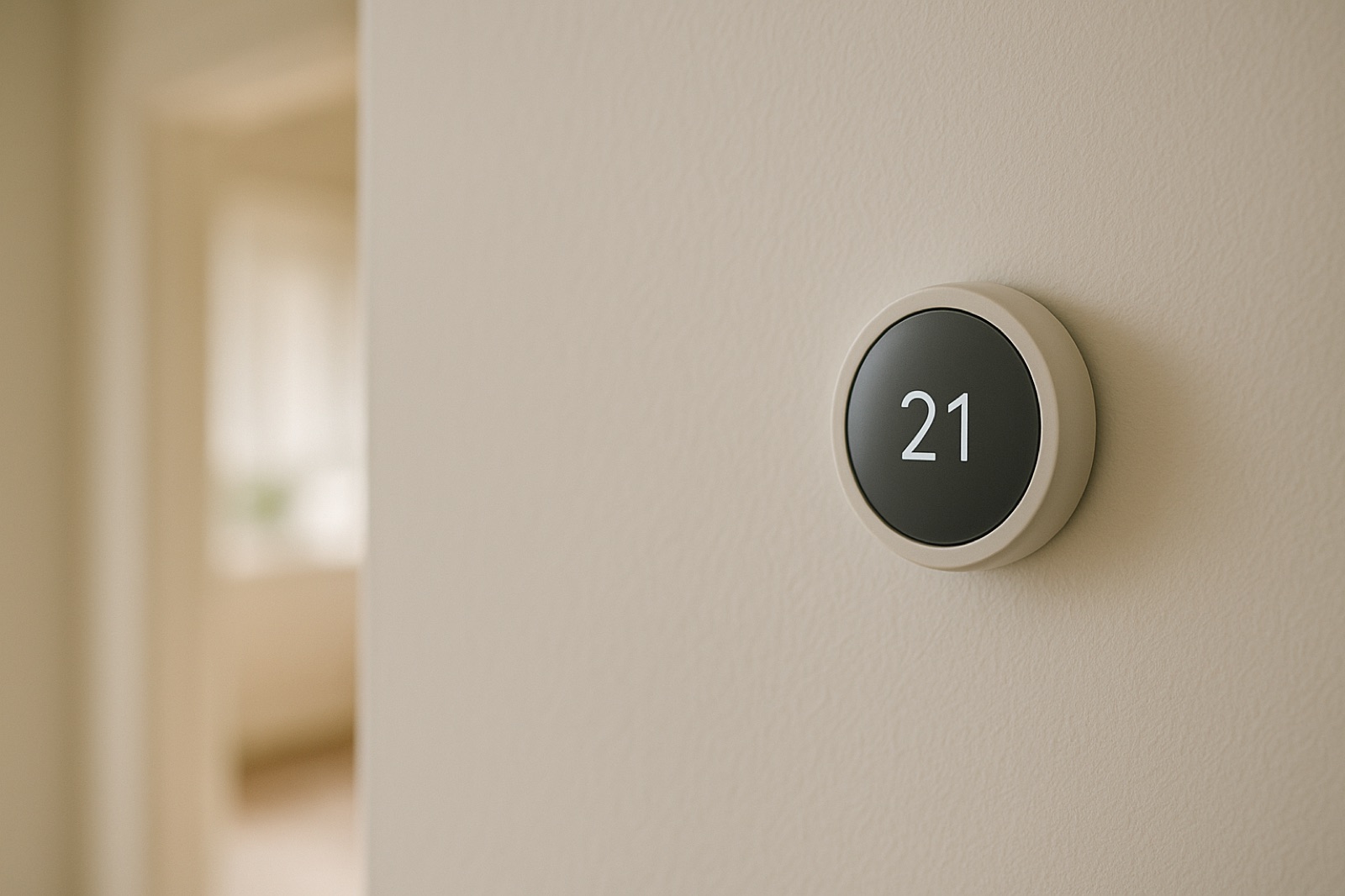
The HVAC industry is experiencing a significant shift, particularly with the rise of electric heating systems in new home construction. Recent data indicates that electric heating systems accounted for 61% of new homes completed in 2024, marking a notable trend in residential design. This movement towards electric heating is influenced by a variety of factors, including advancements in technology, regulatory changes, and rising energy costs.
Why Electric Heating is Gaining Popularity
Homeowners are increasingly aware of the environmental benefits associated with electric heating. Unlike traditional fossil fuel systems, electric units can be powered by renewable energy sources, making them a more sustainable choice in the long run. Moreover, as the grid becomes greener with more solar and wind energy, electric heating systems will become even cleaner and more efficient.
Another significant driver for this trend is energy efficiency. Electric heating systems, particularly those utilizing heat pumps, can offer higher efficiency ratings compared to conventional gas systems. This means lower energy bills and a reduced carbon footprint. Homeowners who are proactive about energy efficiency will find that electric heating not only meets their comfort needs but does so at a lower operational cost.
The Role of Regulations and Incentives
Government regulations are also shaping this shift. Many regions are implementing stricter building codes that favor electric heating solutions over fossil fuel systems. This is especially true in areas aiming for net-zero energy homes. As these regulations tighten, builders are adapting by incorporating electric heating into their designs to remain compliant.
In addition to regulations, various incentives are in place to encourage the adoption of electric heating systems. Homeowners may qualify for rebates or tax credits when installing energy-efficient electric heating solutions. Such incentives can significantly offset initial installation costs, making electric options more appealing from a financial perspective.
Challenges and Considerations
While the benefits of electric heating are compelling, there are challenges that homeowners and builders must consider. One major concern is the upfront cost. Although electric systems can save money in the long run, the initial investment can be higher compared to traditional heating systems. Homeowners need to weigh the long-term savings against the initial costs carefully.
Additionally, electric heating relies on a stable and reliable power supply. In areas prone to outages, homeowners may need to consider backup options to ensure consistent heating during winter months. This adds another layer of complexity when planning for electric heating.
The Future of Electric Heating
The momentum behind electric heating systems is likely to continue growing. With more builders and homeowners recognizing the benefits, electric systems are poised to reshape the HVAC landscape in the coming years. Those interested in new construction should stay informed about emerging technologies and incentives that could affect their choices.
As electric heating systems become more mainstream, it’s essential to work with experienced professionals who understand the nuances of installation and compliance. If you’re considering a new home build or renovation, consulting with a roofing contractor such as Keys Roofing can ensure that your home is equipped to handle the demands of modern electric heating systems.
In conclusion, the rise of electric heating systems in new homes reflects a broader shift towards sustainability and efficiency. By understanding the benefits and challenges, homeowners can make informed decisions that enhance their home comfort while contributing to a greener future.