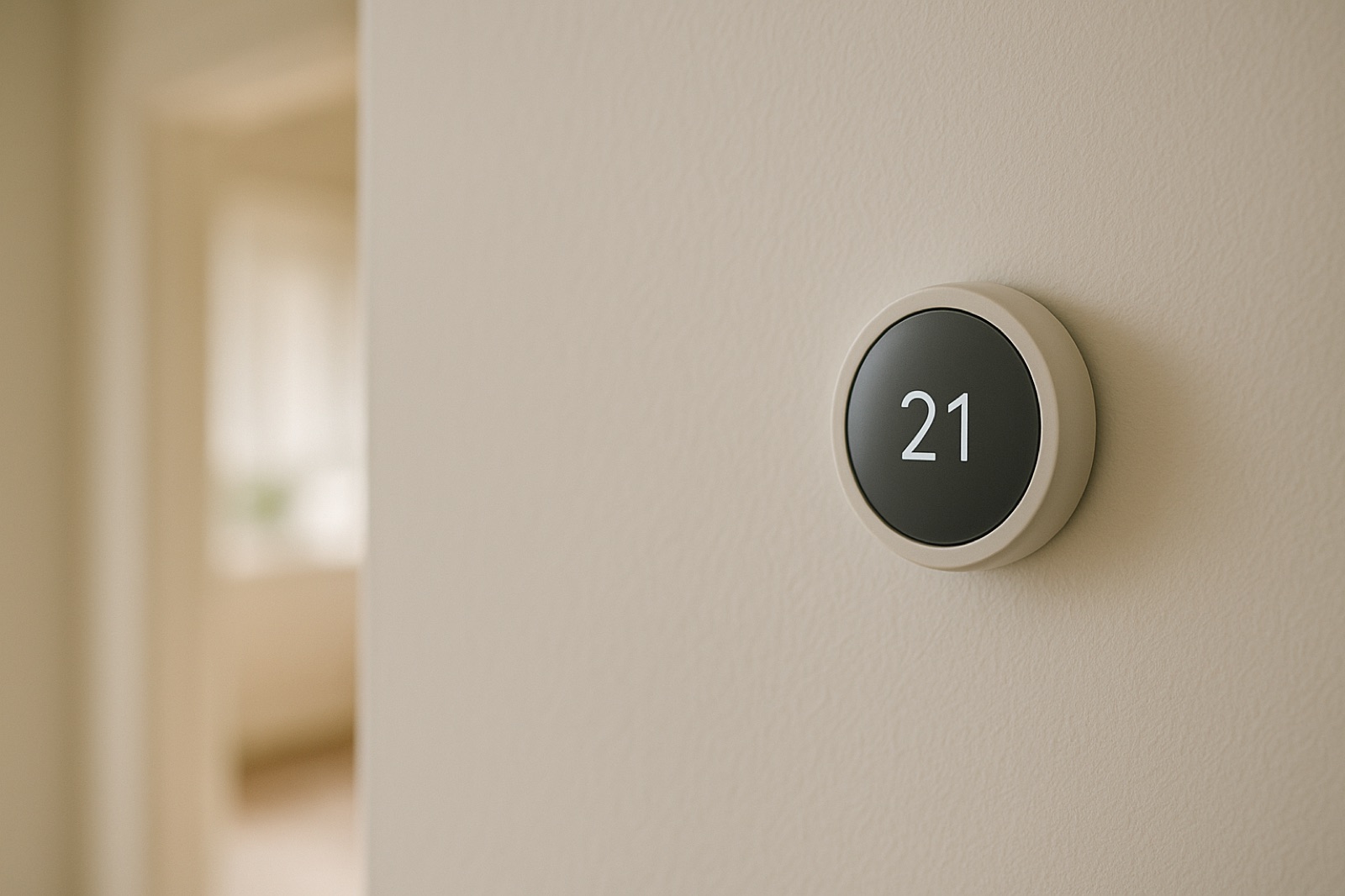
The landscape of residential heating is undergoing a significant transformation as electric heating systems have reached their highest-ever share of the U.S. new housing market in 2024. Recent data from the U.S. Census Bureau indicates that 61% of the new units completed this year were outfitted with some type of electric system, a notable trend that merits closer examination.
Why Electric Heating is Gaining Popularity
There are several factors contributing to this upward trend in electric heating. First, advancements in technology have improved the efficiency and reliability of electric heating systems. This includes innovations such as heat pumps and electric boilers that not only provide effective heating but do so with a lower carbon footprint compared to traditional fossil fuel systems. Homeowners are becoming more aware of the environmental impact of their energy choices, and many are actively seeking out solutions that align with their values. Another reason for the shift is the increasing availability and support for electric heating solutions. Many new homes are being designed with electric heating systems as a standard option, influenced by local building codes and incentives aimed at promoting energy efficiency. The Building Decarbonization Coalition reports this trend as a response to both regulatory requirements and market demands for greener alternatives.Cost Considerations
While the initial investment in electric heating systems can be higher than that of traditional gas or oil systems, the long-term savings can offset these costs. Electric systems can be more economical to operate, especially in regions where electricity is sourced from renewable resources. Additionally, the maintenance costs for electric heating systems are typically lower since they have fewer moving parts and do not require the same level of service as combustion-based systems. Homeowners should also consider the potential for energy efficiency rebates and incentives that may be available when opting for electric systems. Many states are moving toward electrification goals, and homeowners may find financial benefits in upgrading to more efficient electric heating solutions.Installation and Compatibility
For those considering electric heating, installation can be a straightforward process, but compatibility with existing infrastructure should be assessed. If you are retrofitting an older home, it is crucial to evaluate your current wiring and ensure that your electrical system can handle the added load. This is where having a competent understanding of electrical systems comes in handy; using a multimeter to check voltage can prevent costly mistakes. It's also wise to consult with a licensed electrician who can help navigate local building codes and regulations, ensuring that your installation adheres to safety standards.Looking Ahead
The demand for electric heating systems is expected to continue growing as more homeowners embrace energy-efficient technologies. With the increasing availability of electric heating options, alongside a push from both consumers and regulatory bodies for cleaner energy solutions, it’s an exciting time for those involved in the heating sector. The momentum is not only beneficial for the environment but also opens up new avenues for tradespeople, especially as the industry evolves to meet these changing needs. In summary, as electric heating systems penetrate the new housing market at unprecedented levels, it's clear that both homeowners and the trades are poised for a significant shift. Those equipped with the right knowledge and tools stand to benefit the most from this transition.For local service context, see a roofing contractor such as Keys Roofing.