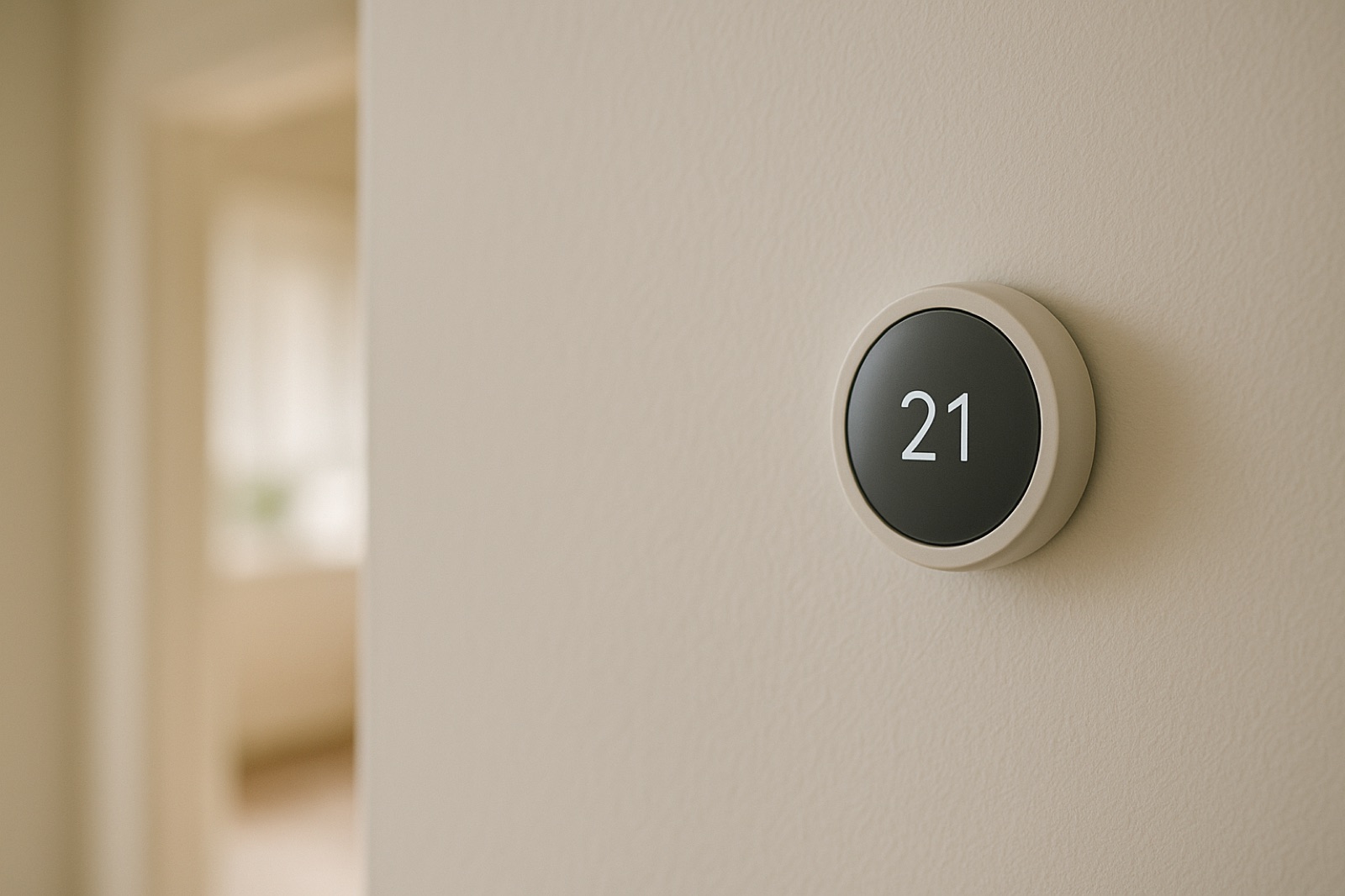
As homeowners look for efficient and environmentally friendly heating options, electric heating systems are becoming increasingly popular. According to a report by the Building Decarbonization Coalition, electric heating reached its highest-ever share of the U.S. new housing market in 2024, with 61% of the completed units outfitted with some type of electric system. This shift signifies a major transition in how we think about heating our homes.
Why Electric Heating?
The appeal of electric heating lies in its ability to offer a cleaner alternative to traditional fossil fuel systems. With advancements in technology and a push for decarbonization, electric heating is not just a fad but a strategic choice for new constructions. The efficiency of electric heating systems often translates into lower energy bills, particularly when paired with smart home technologies that allow for better control and management.
Types of Electric Heating Systems
Homeowners can choose from several types of electric heating systems, including:
- Electric Resistance Heating: This is the most straightforward method, where electricity is converted directly into heat. Common forms include baseboard heaters and wall-mounted units.
- Heat Pumps: These systems are increasingly popular due to their efficiency. They work by transferring heat from the outside air or ground into the home. Even in colder climates, modern heat pumps can provide effective heating.
- Radiant Floor Heating: This method involves installing electric cables or mats beneath the floor surface. It provides a comfortable warmth that radiates upwards, ideal for tile or concrete floors.
Installation Considerations
Installing electric heating systems comes with its own set of considerations. Homeowners should evaluate the existing electrical infrastructure to ensure it can handle the additional load. A professional electrician can assist with this assessment. Moreover, proper insulation and energy-efficient windows will enhance the performance of electric heating systems, ensuring that heat is retained within the home.
Future Trends
As the trend toward electric heating continues, manufacturers are responding with innovations that improve efficiency and usability. Enhanced features in smart thermostats and integrated home systems allow for customizable heating schedules, responsive temperature control, and energy monitoring. Such advancements make electric heating an even more attractive option for new homeowners.
Conclusion
The move towards electric heating systems in new homes represents a significant change in how we approach home heating. With cost efficiency, environmental considerations, and technological advancements driving this trend, it is clear that electric heating is set to play a major role in the future of residential energy solutions. As homeowners embrace these systems, they not only contribute to a greener future but also enjoy the benefits of improved comfort and control.
For more insights on the electric heating trend, you can read about it in ACHR News' article titled "Electric Heating Gains Momentum in New Homes".
For local service context, see a roofing contractor such as Keys Roofing.