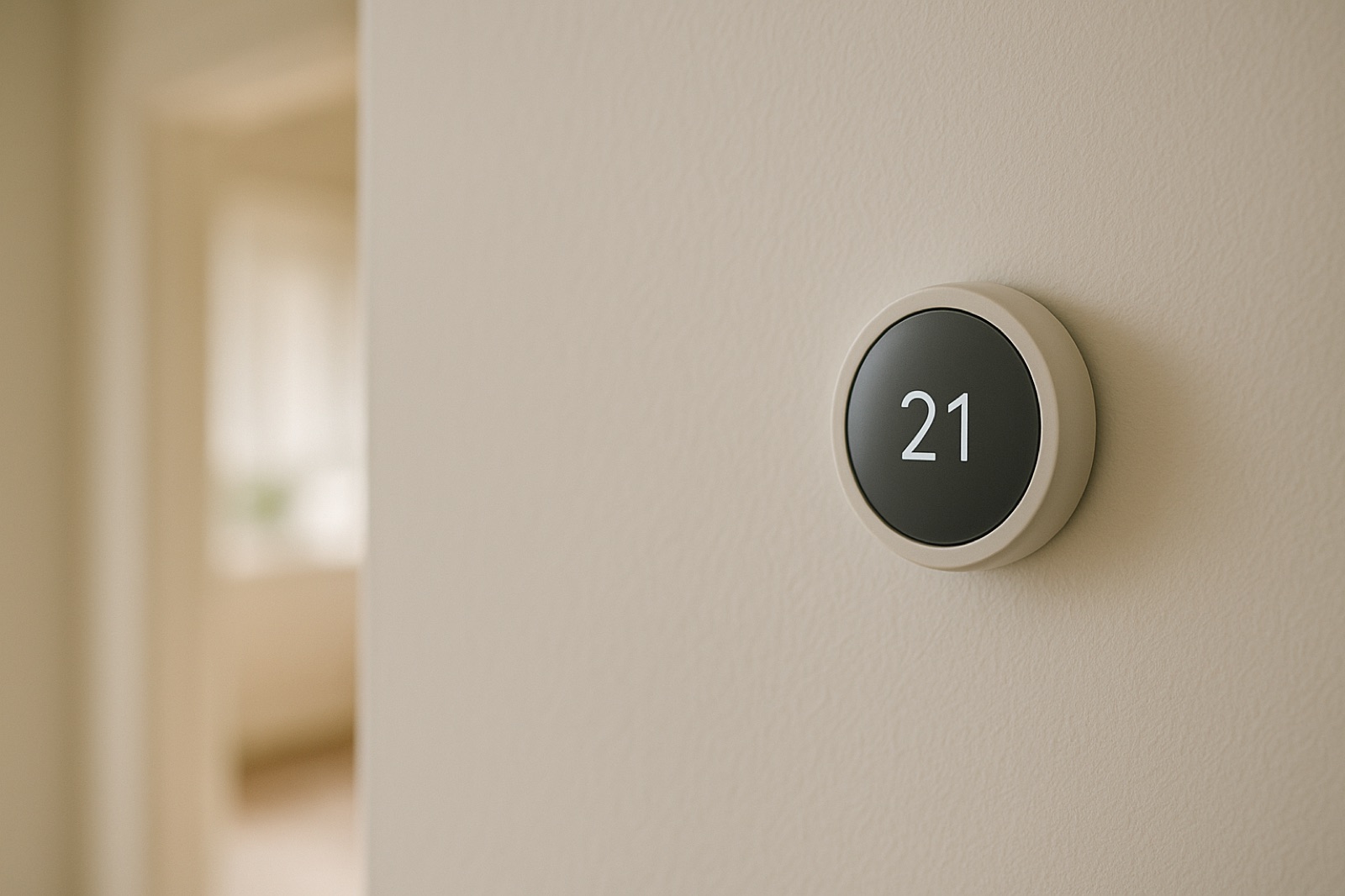
The shift towards electric heating systems in new homes is gaining significant traction, with a recent report indicating that electric heating reached its highest-ever share of the U.S. new housing market in 2024. According to the Building Decarbonization Coalition, 61% of the units completed that year were outfitted with some type of electric system, as noted by ACHR News.
Understanding the Shift to Electric Heating
This upward trend can be attributed to a combination of factors, including advances in technology, shifting energy policies, and a growing awareness of climate change. Homeowners and builders are increasingly turning to electric heating as a more sustainable option, particularly as the U.S. works toward reducing carbon emissions.
Electric heating systems are particularly appealing because they can integrate with renewable energy sources, such as solar power, which has also seen significant advancements in recent years. The U.S. Department of Energy highlights the push toward making solar energy more cost-competitive with traditional sources. As electric heating systems become more prevalent, the compatibility with solar power systems can lead to lower energy bills and reduced reliance on fossil fuels.
The Technology Behind Electric Heating
For the hands-on homeowner, it's important to understand the technologies that are driving this shift. Electric heating can take many forms, including electric resistance heating, heat pumps, and radiant heating systems. Each type has its own set of advantages:
- Electric Resistance Heating - This is the most straightforward electric heating method, where electricity is converted directly into heat. It is easy to install but can be costlier to operate in areas with high electricity rates.
- Heat Pumps - These systems are designed to transfer heat rather than generate it. They can be very efficient, especially in milder climates, as they use electricity to move heat from one place to another.
- Radiant Heating - This method involves heating floors or walls that then radiate heat into the living space. It provides consistent warmth and can be quite comfortable.
Cost Considerations and Energy Efficiency
While the initial investment for electric heating systems can vary, the long-term savings on energy costs and maintenance can be attractive. Heat pumps, for instance, often qualify for rebates and tax incentives, making them a financially viable option. Homeowners with a multimeter can measure energy consumption and monitor performance, ensuring that systems are running efficiently.
As electric heating systems become more common, it is essential for homeowners to consider their energy sources. Pairing electric heating with solar panels can lead to significant cost savings over time, especially if you can generate enough power to meet your heating needs.
The Future of Home Heating
The trend toward electric heating is not just a passing phase; it is a reflection of broader societal changes regarding energy consumption and environmental responsibility. As the market matures, homeowners can expect to see even more innovation in electric heating technologies, including smart home integrations that optimize energy use.
In summary, the rise of electric heating in new homes represents a significant opportunity for homeowners looking to enhance their comfort while being mindful of energy efficiency and sustainability. Embracing these systems can lead not only to a more comfortable living environment but also contribute to ongoing efforts to reduce carbon footprints.
For local service context, see a roofing contractor such as Keys Roofing.