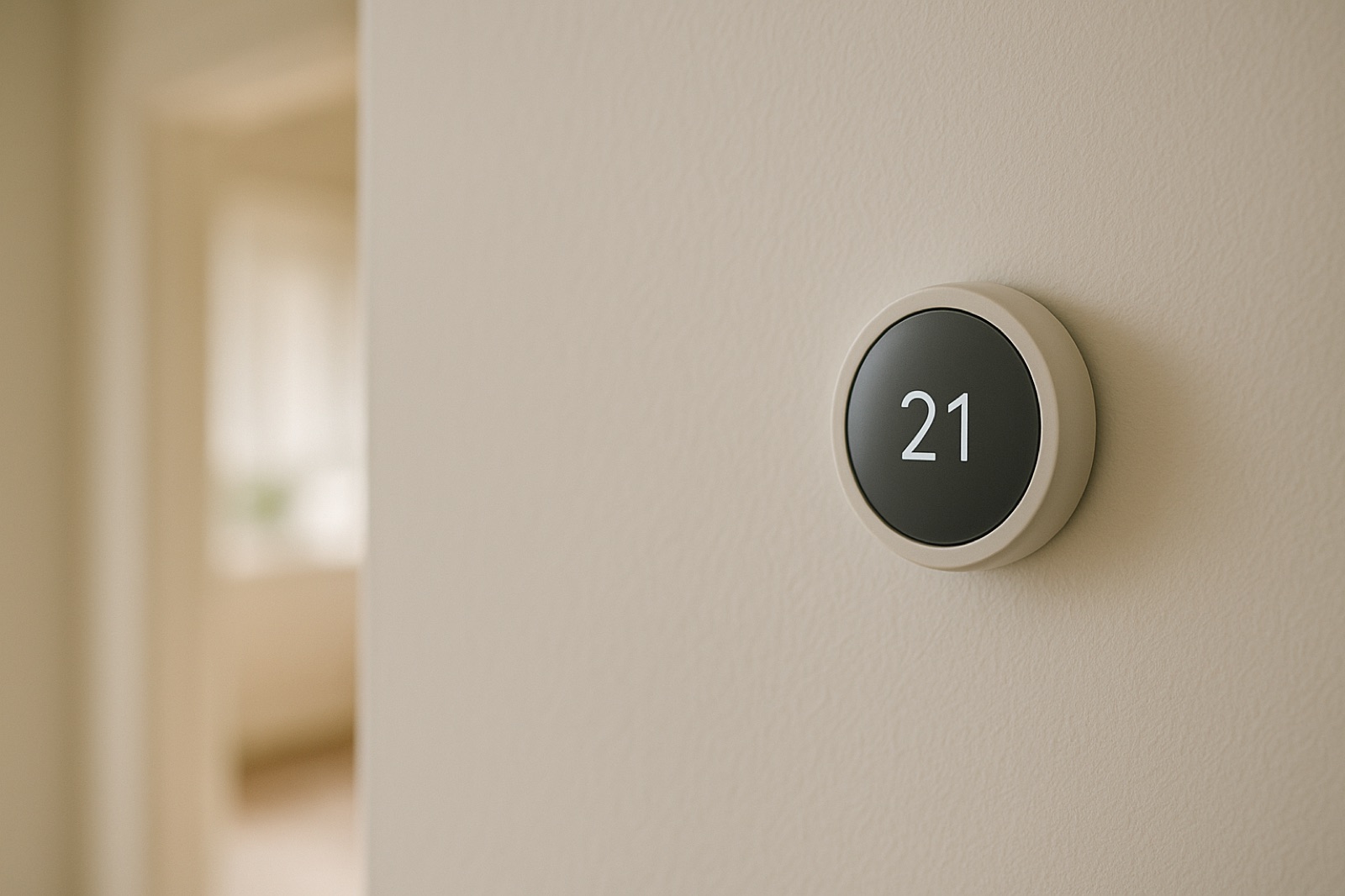
As electric heating continues to gain traction in the U.S. new housing market, it’s essential for homeowners to understand the implications of this shift. Recent data indicates that electric heating systems accounted for 61% of new housing completions in 2024, marking a significant uptake compared to previous years. This change is driven by a range of factors, including the move toward decarbonization and the appeal of electric systems for modern construction.
Understanding the Rise in Electric Heating
The trend towards electric heating systems is not merely a passing phase; it reflects a broader commitment to reducing carbon emissions and enhancing energy efficiency. The Building Decarbonization Coalition highlights that in 2024, “electric heating reached its highest-ever share of the U.S. new housing market,” underscoring a shift that homeowners need to consider seriously.
Electric heating systems can offer several advantages over traditional gas systems, including typically lower installation costs, reduced dependency on fossil fuels, and potential long-term energy savings. These systems can include electric furnaces, heat pumps, and radiant floor heating, each varying in efficiency and suitability depending on the home’s design and climate.
Installation Considerations
For homeowners contemplating the switch to electric heating, several factors should be taken into account:
- Electrical Infrastructure: Assessing your home’s electrical capacity is paramount. High-demand systems like electric heat pumps may require upgrades to your electrical panel or wiring to handle the additional load.
- Heat Distribution: Choosing a distribution method that suits your home is essential. Options range from forced air systems to hydronic heating, impacting comfort levels and energy use.
- Energy Costs: While electric heating can be cheaper to install, understanding local electricity rates is crucial. In some regions, electricity can be more expensive than natural gas, affecting long-term operational costs.
Maintenance and Longevity
Like any heating system, electric heaters require regular maintenance to ensure efficiency and longevity. Homeowners with the skills can perform basic checks, such as cleaning or replacing filters and testing electrical connections with a multimeter. However, complex repairs should always be left to qualified technicians.
Additionally, if you are considering extensive renovations or new construction, some manufacturers have begun offering innovative solutions. For instance, new vertical stack fan coils from Systemair are designed for easy integration into multi-unit buildings. These units not only streamline installation but also provide efficient heating and cooling solutions through advanced motor technology.
Conclusion
As the landscape of home heating shifts towards electric systems, homeowners must stay informed about the benefits and challenges of these technologies. Engaging with a roofing contractor such as Keys Roofing can also provide insights into how your roof's insulation can affect heating efficiency. As you consider your home’s heating needs, it’s crucial to weigh your options carefully, ensuring that your choice aligns with your comfort requirements and energy goals.