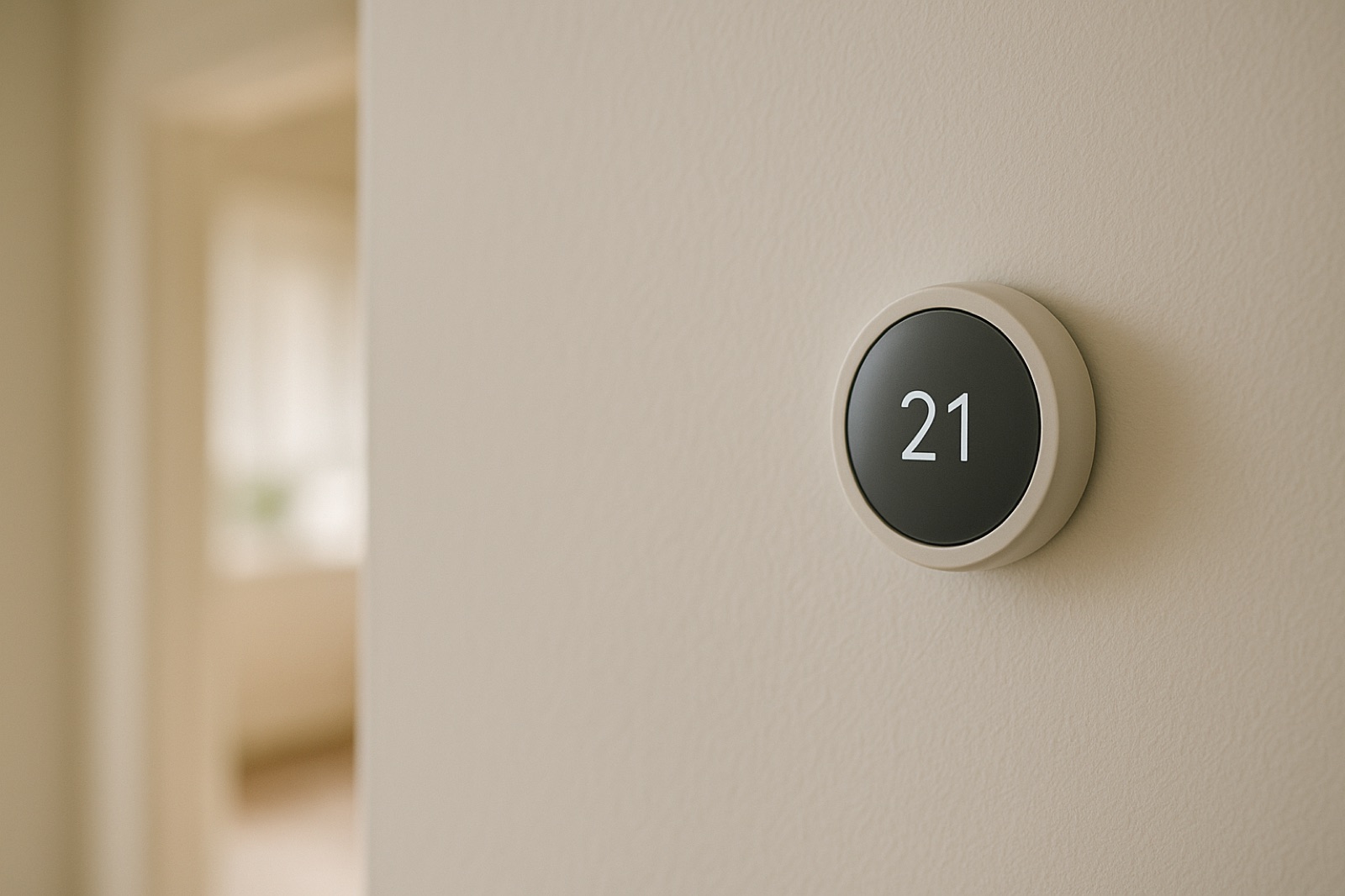
The heating landscape is changing rapidly as electric heating systems are becoming more prevalent in new home construction. A recent report from ACHR News indicates that electric heating reached its highest-ever share of the U.S. new housing market in 2024, with 61% of newly constructed homes outfitted with some type of electric system. This shift represents a significant change in how homeowners view heating options, especially in light of ongoing advancements in energy efficiency and renewable energy technologies.
Understanding the Shift to Electric Heating
Electric heating systems have traditionally been hampered by concerns over higher operational costs compared to their gas counterparts. However, recent developments in technology and changing energy policies are making electric systems more appealing. With the increasing prevalence of solar energy, many homeowners are now able to power electric heating systems with energy generated from their own rooftops. This synergy between electric heating and solar power makes for a compelling case for new homeowners.
Moreover, as building codes and standards evolve to emphasize energy efficiency, electric heating systems are often better aligned with these requirements. They can be easier to integrate into smart home systems, providing homeowners with improved control over energy usage and comfort levels.
Benefits of Electric Heating Systems
Electric heating systems come with several advantages. They are generally easier to install than gas systems, especially in new constructions where ductwork may not be present. Options like radiant floor heating and electric baseboard heaters can be installed with minimal disruption. Additionally, electric heating requires less maintenance than traditional systems, which can save homeowners both time and money in the long run.
Another notable benefit is the reduction in carbon emissions when electric systems are powered by renewable energy sources. As more utilities adopt green energy practices, homeowners using electric heating can significantly lower their carbon footprints, aligning their home heating choices with broader environmental goals.
Challenges to Consider
While electric heating systems offer many benefits, they are not without their challenges. The initial investment can be higher than traditional gas systems, and in regions where electricity is still generated predominantly from fossil fuels, operational costs may not always favor electric systems. Homeowners should conduct a thorough cost analysis, taking into account local energy prices and available incentives for renewable energy installations.
Furthermore, electric heating may not be suitable for all climates. In very cold regions, electric resistance heating can become inefficient. Homeowners in these areas might consider hybrid solutions, using electric heating in conjunction with other systems, like heat pumps, to ensure comfort year-round.
The Future of Heating
The trend towards electric heating systems is likely to continue, fueled by technological advancements and shifting consumer preferences. As the market adapts, homeowners must stay informed about their heating options and the implications of their choices.
In conclusion, the growing prevalence of electric heating systems in new homes signals a notable shift in the heating landscape. With many benefits, including compatibility with renewable energy sources and ease of installation, electric heating is becoming an increasingly viable option for today’s homeowners. If you're considering an upgrade or new construction, weighing the pros and cons of electric heating will help you make an informed choice that aligns with your comfort and efficiency goals.
For local service context, see a roofing contractor such as Keys Roofing.