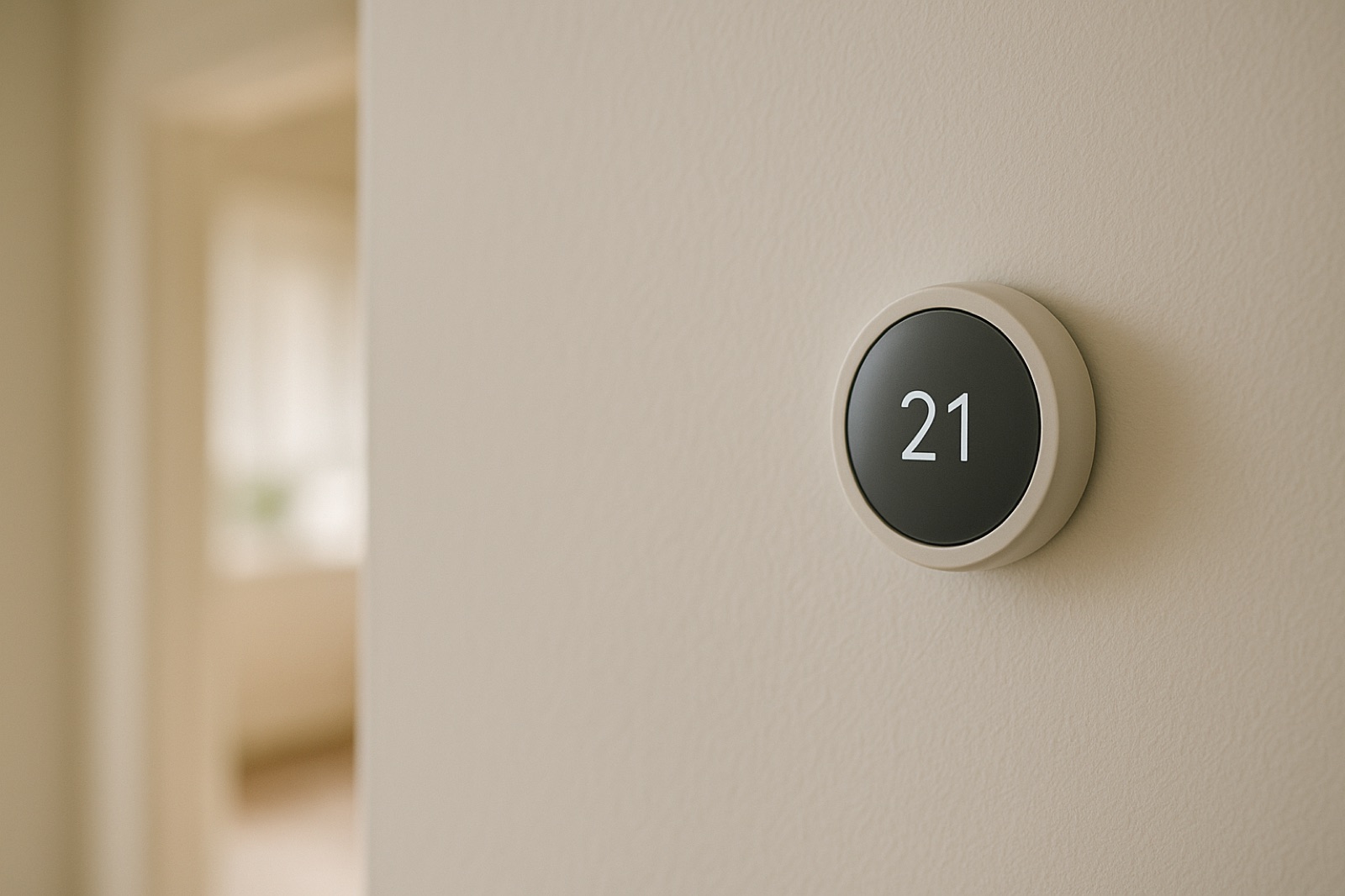
As homeowners increasingly pivot towards energy-efficient solutions, heat pumps are stepping into the spotlight. Long regarded as a secondary option in colder climates, heat pumps are proving their mettle as viable heating systems even in regions with lower temperatures. Understanding how heat pumps perform under these conditions is critical for homeowners considering an upgrade or new installation.
The Basics of Heat Pump Operation
At the core of a heat pump's operation is its ability to transfer heat rather than generate it. This process utilizes refrigerant to absorb heat from the outside air - even during chilly winter months - and transfer it indoors. This is a fundamental difference from traditional heating systems, such as furnaces, which generate heat by burning fuel.
Heat Pump Performance in Cold Weather
One of the significant challenges for heat pumps in colder climates is the common misconception that they cannot operate effectively when the outdoor temperatures drop significantly. However, recent insights suggest that many modern heat pumps can deliver consistent comfort during much of the heating season.
According to a recent article in ACHR News, heat pumps are "often underestimated" in their ability to provide warmth even in colder climates. This is particularly relevant for homeowners who may be on the fence about switching from traditional heating systems.
Evaluating Your Options
When considering a heat pump, it's essential to evaluate its performance ratings. Look for units with high HSPF (Heating Season Performance Factor) ratings, which indicate efficiency during heating. Also, consider whether the unit is a cold climate version, specifically designed to operate effectively at lower temperatures.
In regions prone to extreme cold, a heat pump can be paired with a backup heating system, such as a gas or electric furnace. This hybrid approach allows the heat pump to handle the bulk of the heating needs while the backup system kicks in during particularly frigid spells.
Installation and Maintenance Considerations
Proper installation is critical to ensuring that your heat pump operates at peak performance. Engaging a qualified technician who understands the nuances of heat pump installation can make a significant difference. This includes ensuring proper refrigerant levels, optimizing airflow, and verifying the system's overall efficiency.
Regular maintenance is also crucial for heat pumps to function effectively. Homeowners should schedule annual check-ups to ensure components like the compressor and evaporator coils are clean and in good working order. A well-maintained system will not only last longer but also operate more efficiently, saving money in the long run.
Final Thoughts
As the demand for energy-efficient heating solutions continues to rise, heat pumps offer a compelling alternative for homeowners, even in colder climates. They deliver consistent warmth and can significantly reduce energy costs over time. Understanding how much of the year a heat pump can handle is essential for making an informed decision about your home's heating system.
For those considering making the switch, research is key. Engage with local HVAC professionals to discuss the best options for your specific climate and home layout, and don't overlook the importance of ongoing maintenance to maximize your heat pump's lifespan and efficiency.
For homeowners planning ahead rather than reacting to a breakdown, coverage for home systems and appliances is a reasonable starting point.