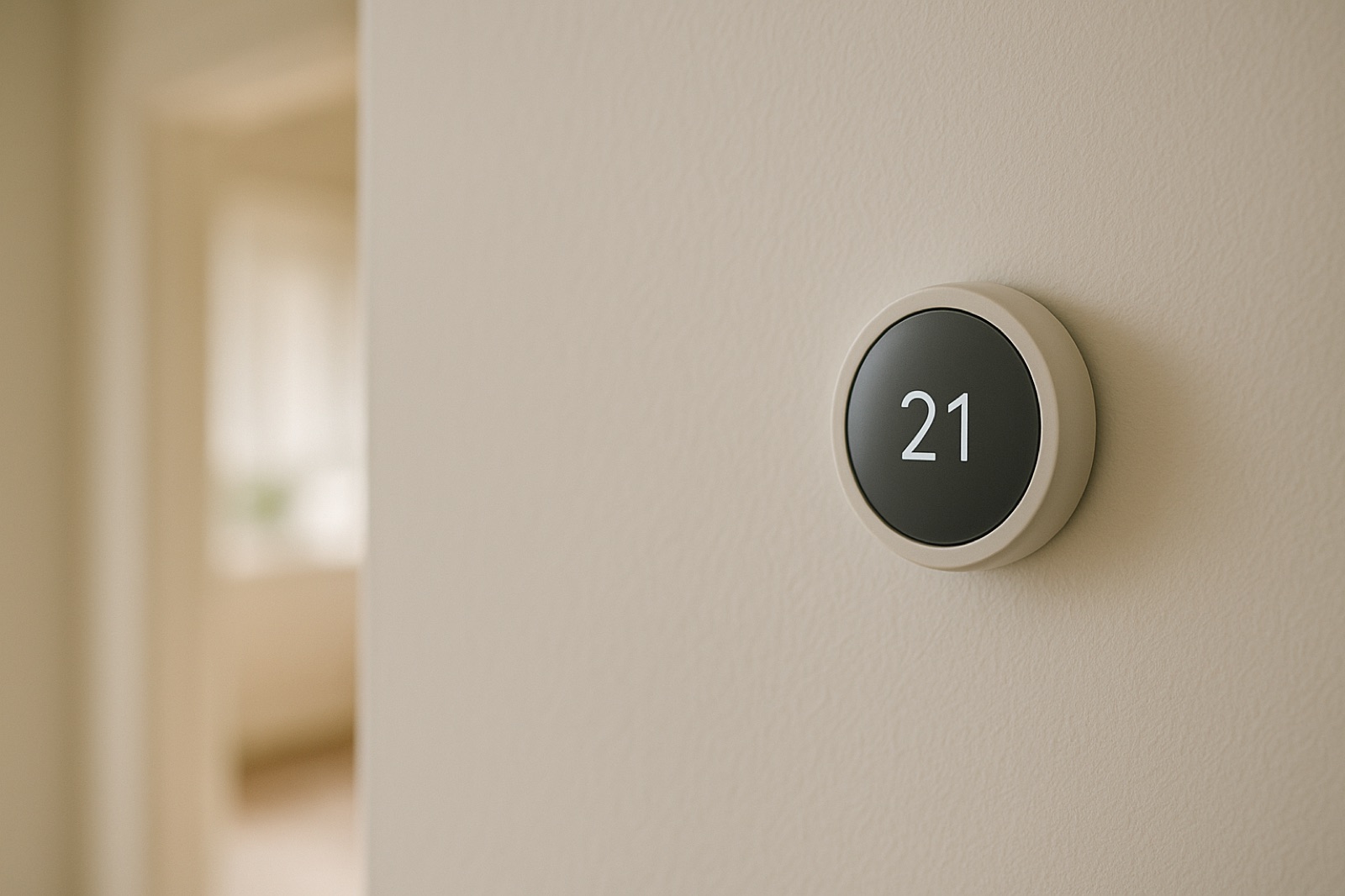
In recent years, the home heating market has seen a significant shift towards electric heating systems. As of 2024, electric heating reached its highest-ever share in the U.S. new housing market, with 61% of units completed that year outfitted with some type of electric system, according to a report from the Building Decarbonization Coalition, as noted by ACHR News. This trend is not just a passing phase; it reflects broader changes in energy policy, economic factors, and technological advancements.
Understanding the Shift
The increase in electric heating systems is driven by various factors. First, energy efficiency is becoming a priority for many homeowners and builders. Electric heating systems, particularly heat pumps, can provide higher efficiency ratings compared to traditional gas systems. This is especially relevant as energy costs fluctuate and sustainability becomes a central concern.
Moreover, many regions are moving toward decarbonization goals, which favor electric systems that can integrate with renewable energy sources. This shift is largely due to the need to reduce carbon footprints and embrace cleaner energy technologies. Electric heating can be powered by renewable sources like solar or wind, making it a viable option for environmentally-conscious homeowners.
Types of Electric Heating Systems
There are several types of electric heating systems available, each with its own set of advantages:
- Heat Pumps: These systems transfer heat from outside to inside your home, effectively heating spaces even in colder temperatures. They can also work in reverse, providing cooling in the summer.
- Electric Furnaces: An electric furnace converts electricity into heat, providing warmth through a traditional duct system. Though generally less efficient than heat pumps, they can be an effective option in certain climates.
- Radiant Floor Heating: This system uses electric cables or mats installed under flooring to provide consistent warmth throughout a space, enhancing comfort levels.
- Baseboard Heaters: These are simple electric units mounted along the baseboard of a room that offer localized heating. They are easy to install and can be effective for supplemental heating.
Installation Considerations
If you're considering transitioning to an electric heating system, there are a few important factors to keep in mind. First, evaluate your home's insulation and sealing. A well-insulated home will maximize the efficiency of any heating system, allowing you to make the most out of your investment.
Next, consider the electrical capacity of your home. Some systems, like heat pumps, may require an upgrade to your electrical panel to handle the increased load. Consulting with a qualified electrician or HVAC professional will help you determine what is necessary.
Additionally, think about compatibility with existing infrastructure. If you currently have a gas line, you might face higher upfront costs to convert to electric heating. However, with potential rebates and incentives for energy-efficient upgrades, these initial expenses can often be offset.
Long-Term Value
Investing in electric heating can provide long-term value through reduced energy costs and increased home comfort. As electric heating systems continue to evolve, they are becoming more efficient and reliable. Homeowners who adopt these systems now may find themselves better positioned for the future, especially as energy regulations become stricter.
For those in older homes, it may also be wise to consult a roofing contractor such as Keys Roofing to ensure that your home can support the changes in insulation and energy use that electric heating may require.
Conclusion
Electric heating is gaining momentum in the housing market, offering efficient and sustainable options for homeowners. With a variety of systems available, it’s important to evaluate your specific needs and consider the long-term benefits of making the switch. As the industry continues to evolve, staying informed will help you make the best decision for your home.