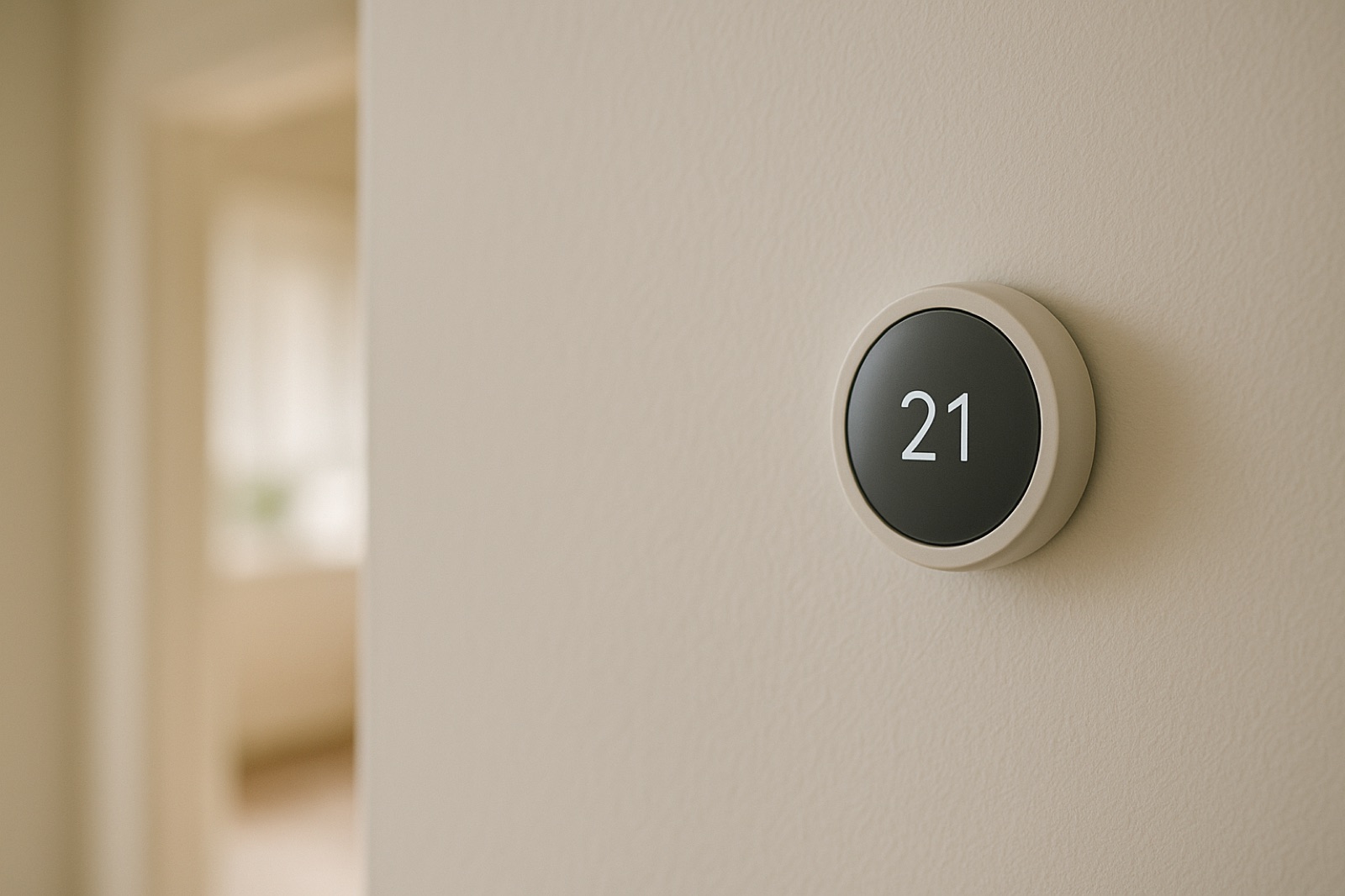
Electric heating systems are gaining significant traction in the residential market, marking a shift in how homeowners and builders approach heating solutions. According to a recent report by the Building Decarbonization Coalition, electric heating has reached its highest-ever share of the U.S. new housing market in 2024. With 61% of newly built homes featuring some type of electric heating system, it’s clear that this trend is not just a passing phase.
Why Electric Heating?
As homeowners become more conscious of their environmental impact, electric heating offers an attractive alternative to traditional fossil fuel systems. These systems can be powered by renewable energy sources, making them a feasible way to reduce carbon footprints. Additionally, electric heating solutions tend to have lower upfront costs compared to gas or oil systems, which can appeal to budget-conscious homeowners.
Moreover, the efficiency of electric heating systems is continually improving. Modern technologies, such as heat pumps, are capable of extracting heat from the environment, providing significant energy savings while maintaining comfort levels. This is especially beneficial in areas where electricity prices are competitive.
Understanding the Options
When considering electric heating, homeowners have several options. Here are a few common choices:
- Electric Furnaces: These systems use electric coils to produce heat and distribute it through ducts. They are easy to install and maintain, making them a popular choice for many homeowners.
- Heat Pumps: Air-source and ground-source heat pumps transfer heat from the outside air or ground into your home. They are highly efficient and can also provide cooling during warmer months.
- Radiant Floor Heating: This system heats the floor itself, providing warmth that rises evenly throughout the room. It can be an excellent choice for new construction.
Upgrading to Electric Systems
For homeowners considering an upgrade, the Department of Energy's rebate programs can provide financial assistance for HVAC equipment upgrades, making electric heating systems more accessible. These programs, such as the HOMES and HEEHR initiatives, are designed to encourage homeowners to update their heating solutions to more efficient technologies. As outlined in a recent article by ACHR News, these rebates can significantly offset the costs of installation and equipment.
Considerations for Homeowners
While the benefits of electric heating are compelling, homeowners should also consider their specific needs and circumstances. The availability of electricity and the cost of energy in your area are crucial factors. For example, if your local utility offers time-of-use rates, it may be more cost-effective to use electric heating at certain times of day.
Additionally, proper insulation and energy efficiency are vital for maximizing the benefits of electric heating. A well-insulated home will retain heat better, reducing the overall energy consumption and costs associated with heating. Homeowners should evaluate their insulation and consider improvements if necessary.
Conclusion
The trend toward electric heating systems in new homes is likely to continue as more people seek efficient, cost-effective, and environmentally friendly solutions. Whether you are building a new home or considering upgrades to your existing system, exploring electric heating options could be a wise investment.
For those interested in comprehensive heating solutions, visiting a water treatment shop like Jones Air & Water can provide valuable resources and insights.