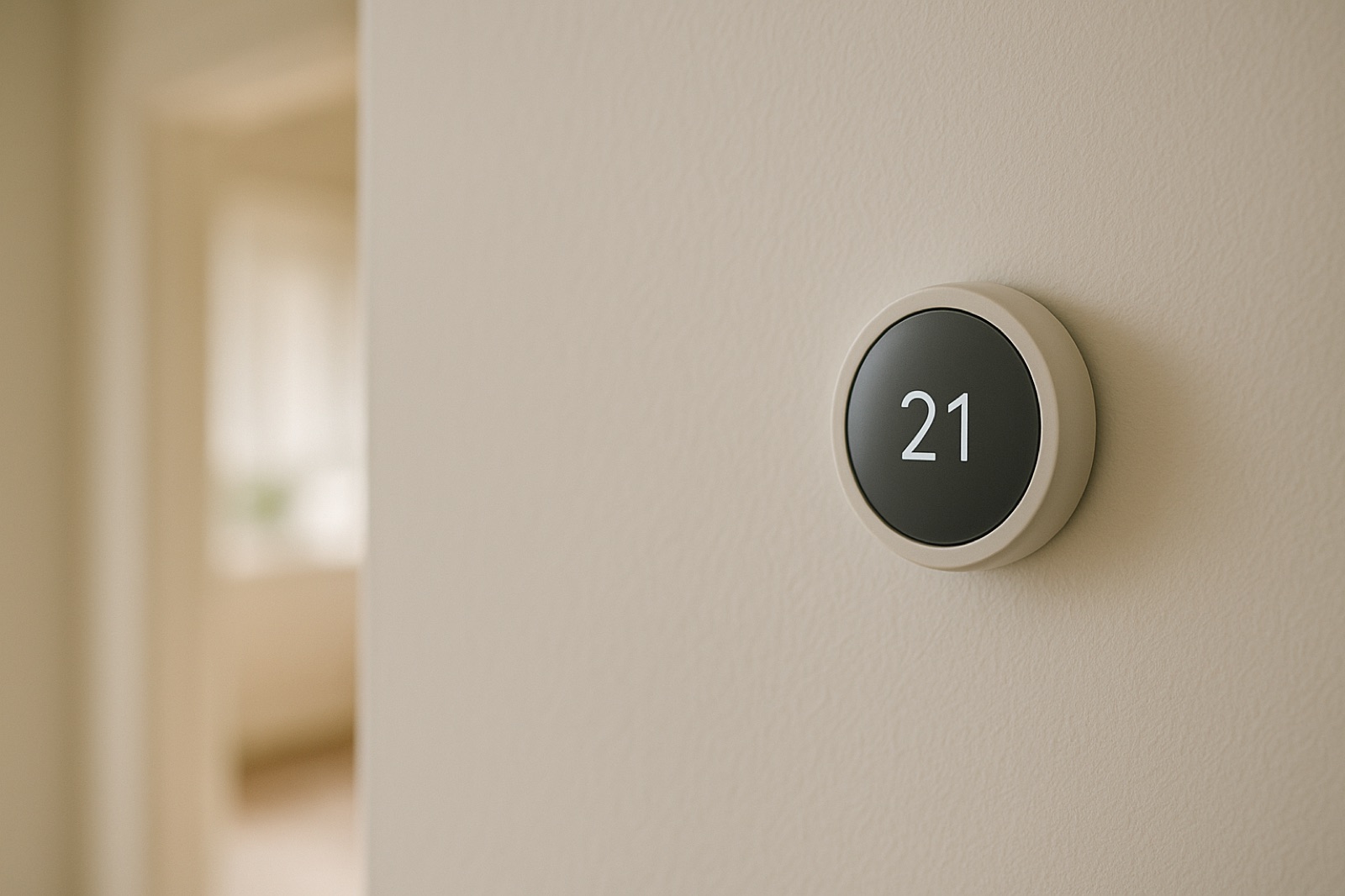
As homeowners gear up for another cooling season, it’s crucial to ensure your air conditioning system is running efficiently and reliably. With a minimal investment of time and effort, you can significantly extend the lifespan of your AC unit, saving money in the long run.
Routine Inspections: The Key to Early Problem Detection
One of the best ways to keep your AC system healthy is through regular inspections. As a competent homeowner, you can take on this task yourself. Begin with a visual inspection of the outdoor unit. Look for debris, dirt, and any signs of wear. A simple cleaning of the unit can prevent overheating and ensure optimal airflow. Remember, clear the area around the condenser unit of leaves, branches, and any other obstructions.
Cleaning or Replacing Filters
Dirty filters can hinder airflow and reduce efficiency, leading to increased energy costs and wear on your system. Depending on your system type, check the filters monthly and clean or replace them every 1 to 3 months. If you have pets or live in a dusty area, you may need to do this more frequently. A clean filter helps ensure adequate airflow and improves indoor air quality.
Check the Refrigerant Levels
Maintaining the correct refrigerant level is critical for your AC’s performance. An undercharged system can lead to poor cooling and can cause serious stress on the compressor, potentially leading to failure. If you suspect that the refrigerant is low, this is where a multimeter can come in handy; however, handling refrigerants typically requires professional knowledge and certification. Always consult an HVAC professional if you're unsure.
Inspect Ducts for Leaks
Leaky ducts can waste a significant amount of cooled air, causing your AC to work harder and possibly shortening its lifespan. Inspect your ductwork for any visible gaps or tears. You can seal small leaks with mastic tape or duct sealant. For larger issues, consider contacting a professional. Sealing ducts not only improves efficiency but also enhances air quality by reducing dust and allergens.
Regular Professional Maintenance
While many tasks can be handled by a competent homeowner, scheduling regular maintenance with an HVAC professional is essential. They can perform a thorough inspection, cleaning, and tune-up of your system to ensure it operates at peak efficiency. As noted in a recent ACHR News article, HVAC technicians recommend these service appointments at least once a year before the peak cooling season.
Invest in Quality Components
When it comes time to replace parts or even the entire system, investing in high-quality components pays off. Consider energy-efficient models that may have lower operating costs and longer lifespans. Keeping an eye on warranties and possible rebates can also help manage costs while ensuring you get quality equipment.
Understanding System Lifespan
Most air conditioning systems last around 10 to 15 years with proper maintenance. If your unit is nearing the end of its lifespan, you may want to start planning for a replacement. Upgrading to a new energy-efficient model could save you money on energy bills and improve your home comfort.
Conclusion
By following these practical maintenance tips, you can significantly extend the life of your air conditioning system and improve its efficiency. Regular inspections, cleaning, and timely professional maintenance are key strategies that any competent homeowner can implement. As always, if in doubt, consult with a qualified HVAC technician to ensure your system meets your comfort needs effectively.
For local service context, see a roofing contractor such as Keys Roofing.