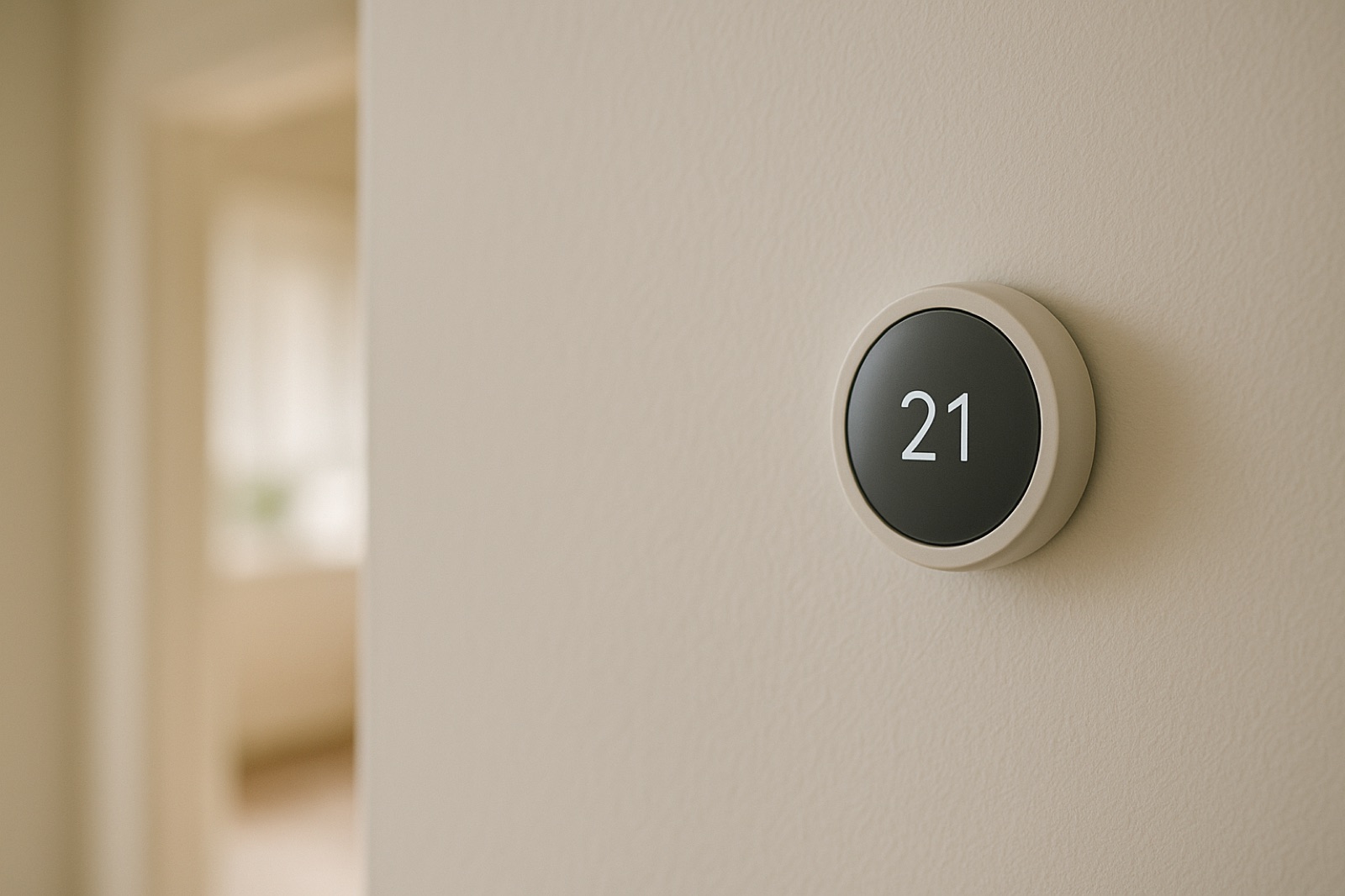
As energy efficiency and sustainability take center stage in the construction and renovation of homes, electric heating systems are garnering increased attention. Recent developments indicate that electric heating has reached its highest-ever share of the U.S. new housing market in 2024, with data showing that 61% of the units completed that year were outfitted with some type of electric system, according to the Building Decarbonization Coalition report.
Benefits of Electric Heating
Electric heating systems offer several advantages that appeal to both builders and homeowners. For starters, they often have a lower upfront cost compared to traditional gas systems. This is particularly appealing in a market where budget constraints are common. Furthermore, electric heating systems can be paired seamlessly with renewable energy sources, such as solar panels, which further enhances their appeal in the context of the growing emphasis on sustainability.
Another significant benefit is the reduction in carbon emissions. With many states pushing for decarbonization, electric heating systems contribute to a home's overall energy efficiency and environmental footprint. They can operate with higher efficiency rates than gas systems, especially when powered by renewable energy.
Challenges and Considerations
Despite their advantages, the transition to electric heating is not without challenges. For one, the initial installation of electric systems may involve changes to the electrical infrastructure in older homes, which can be an added expense. Homeowners may need to ensure their electrical system can handle the additional load from electric heating, particularly during peak usage times.
Moreover, depending on the local energy market, electricity rates can fluctuate, impacting the long-term operational costs of electric heating systems. While they may be cheaper to install, homeowners should consider their local energy prices and how they correlate with the use of electric heating.
Industry Trends
The current trend towards electric heating aligns closely with the broader movement in the HVAC industry. As reported by ACHR News, Silicon Valley's growing interest in the trades is expected to enhance the HVACR sector, creating a pipeline of skilled technicians who are equipped to install and maintain these modern systems. This new focus on training and employment in the trades may help bridge the gap in workforce shortages in the HVAC industry, which is crucial for supporting the shift towards electric heating.
For homeowners considering a transition to electric heating, it's essential to evaluate the types of systems available. Options range from electric furnaces and heat pumps to radiant floor heating. Each system comes with its own set of benefits and considerations, making it crucial to assess your specific needs, budget, and energy goals.
Conclusion
As the demand for energy-efficient and environmentally friendly solutions grows, electric heating systems are poised to play a significant role in the future of home comfort. With the right planning, installation, and maintenance, homeowners can take advantage of the numerous benefits these systems offer, making them a viable option for new housing developments and renovations alike.
For local service context, see a roofing contractor such as Keys Roofing.