As the construction industry evolves, homeowners are increasingly encountering electric heating systems as a viable option for maintaining comfort. Reports indicate that electric heating has reached its highest share in the new housing market, with 61% of completed units utilizing some form of electric system according to data from the U.S. Census Bureau. This trend not only reflects a shift in consumer preferences but also a response to broader energy efficiency goals.
Understanding Electric Heating
Electric heating encompasses a variety of systems, including electric baseboards, wall heaters, and heat pumps. These systems convert electrical energy directly into heat, offering several benefits over traditional fuel-based systems. For homeowners, the most significant advantage is often the lower upfront costs and easier installation. Many electric systems can be plugged into standard outlets, allowing for straightforward integration into existing homes.
Why the Shift?
One of the primary drivers behind the rising popularity of electric heating is the growing emphasis on sustainability. As homeowners become more energy-conscious, electric systems, particularly those powered by renewable energy sources, are appealing due to their potential for lower carbon footprints. Additionally, electric heating can provide greater flexibility in managing energy costs since many utility companies offer time-of-use rates, allowing users to save money by using electricity during off-peak hours.
The shift towards electric systems is not solely consumer-driven. Building codes and regulations are evolving, with many regions encouraging or mandating the use of electric heating as part of broader initiatives to reduce greenhouse gas emissions. As noted in a recent article by ACHR News, electric heating reached its highest-ever share of the U.S. new housing market in 2024.
Challenges to Consider
Despite the benefits, electric heating systems also have drawbacks that homeowners should consider. One concern is the reliance on electricity, which can be problematic during outages or in regions with less stable power supplies. Additionally, operating costs can vary widely depending on local electricity rates. Homeowners should weigh their specific circumstances and energy costs when considering electric heating.
Integration with Smart Technology
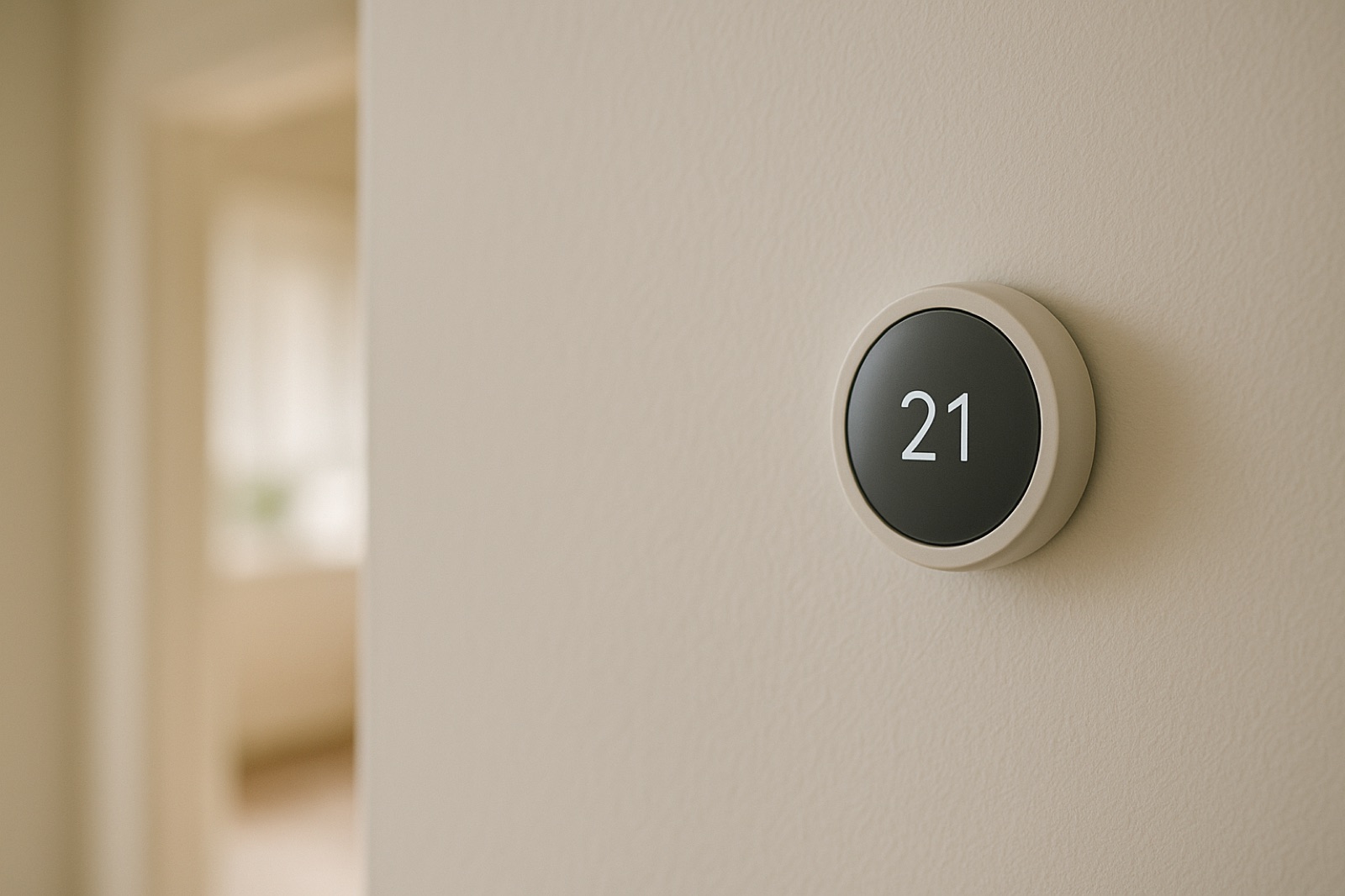
Another trend to watch is the integration of smart technology with electric heating systems. Many new electric heaters come equipped with smart controls, allowing for remote management via smartphone apps. This connectivity facilitates precise temperature control and can enhance energy efficiency by enabling homeowners to program heating schedules that align with their daily routines.
Conclusion
As the shift towards electric heating continues, homeowners have a unique opportunity to reevaluate their options. Understanding the pros and cons of electric heating systems is crucial for making informed decisions that align with personal comfort preferences and sustainability goals. With monitoring and maintenance, electric heating can effectively meet the needs of modern homes while contributing to broader energy efficiency efforts.
For local service context, see a roofing contractor such as Keys Roofing.