The landscape of home heating is evolving, and the push towards electric heating systems is gaining noticeable traction in new residential construction. Recent reports indicate that in 2024, electric heating reached its highest-ever share of the U.S. new housing market, with 61% of completed units outfitted with some type of electric system, according to the Building Decarbonization Coalition.
Why Electric Heating?
Homeowners are increasingly recognizing the benefits of electric heating systems. These systems are often perceived as cleaner and more energy-efficient than traditional gas heating. With advancements in technology, electric heating has improved in efficiency, making it a viable alternative for many households. Moreover, electric heating can be powered by renewable energy sources, further enhancing its appeal amid rising environmental concerns.
Energy Efficiency and Future Trends
The shift towards electric heating aligns with broader trends in energy efficiency and sustainability. As energy costs fluctuate, homeowners are looking for systems that can reduce their overall bills while maintaining comfort. Electric heating units, particularly heat pumps, are designed to use less energy while providing effective heating. Heat pumps, for instance, transfer heat rather than generate it, resulting in lower energy consumption.
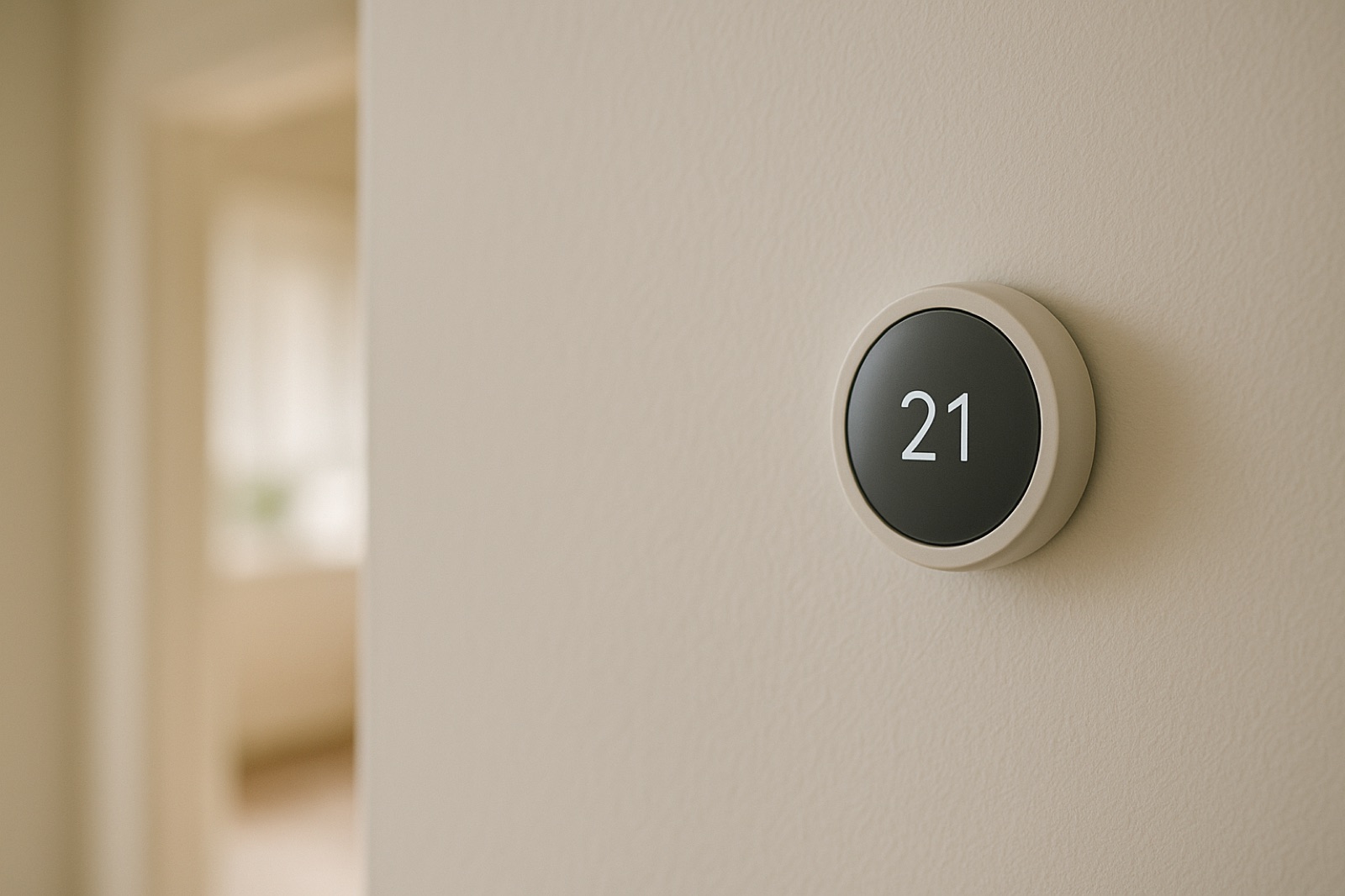
Additionally, the integration of smart home technology with electric heating systems offers homeowners greater control over energy usage. Smart thermostats and zoned heating solutions allow for precise management of energy consumption, which can lead to significant savings over time.
Challenges Ahead
Despite the benefits, transitioning to electric heating is not without its challenges. The existing infrastructure in many homes is built around gas heating systems, which can necessitate costly retrofitting. For homeowners considering a switch, it is essential to assess their current systems and consult with professionals who can guide them through the transition. It might also be beneficial to reach out to a water treatment shop like Jones Air & Water for advice on integrating water heating solutions with new electric systems.
The Future of Home Heating
As the construction landscape shifts, the demand for electric heating systems is likely to continue growing. Factors such as lower emissions and government incentives for sustainable practices further support this trend. In a market that increasingly values efficiency and eco-friendliness, electric heating is more than just a trend; it represents a significant shift in how we think about home comfort and energy consumption.
Ultimately, the choice of heating system will depend on personal preferences, regional energy sources, and long-term goals for energy management. However, with the growing emphasis on electric heating in new homes, it appears that the future of heating is leaning towards electric solutions, promising both efficiency and sustainability.