The trend towards electric heating systems in new homes is rapidly gaining momentum, driven by the need for energy-efficient solutions and a shifting regulatory landscape. According to a recent report from the Building Decarbonization Coalition, electric heating reached its highest-ever share of the U.S. new housing market in 2024, with 61% of completed units outfitted with some type of electric system, as noted by the ACHR News.
This shift indicates a broader industry change where builders are increasingly considering electric options as standard, rather than the traditional gas systems. Understanding the advantages and challenges of electric heating can help homeowners and builders make informed decisions in this evolving market.
Advantages of Electric Heating Systems
One significant advantage of electric heating is its efficiency. Electric systems use resistive heating to convert electricity directly into heat, which can often be more efficient than combustion-based systems. Additionally, many electric heating solutions, such as heat pumps, can provide both heating and cooling, offering year-round comfort with a single system.
Another compelling factor is the environmental aspect. As the grid becomes greener with more renewable energy sources, electric systems can contribute to lower overall carbon emissions. Homeowners committed to sustainability may find electric heating aligns well with their goals, especially if paired with renewable energy installations, like solar panels.
Challenges with Electric Heating
Despite its benefits, electric heating is not without challenges. The initial installation cost can be higher than gas systems, particularly for heat pumps. Homeowners will need to consider long-term operating costs, which can vary significantly based on local electricity rates and regional climate.
Moreover, in regions with colder climates, the performance of electric systems, especially resistive heating, can be less effective compared to gas systems. Homeowners may find that relying solely on electric heating during extreme winter conditions is not ideal, necessitating hybrid systems that combine both electric and gas for optimal efficiency.
Government Regulations and Incentives
Regulatory changes are also influencing the adoption of electric heating. Many cities and states are implementing stricter building codes aimed at reducing greenhouse gas emissions, which could further incentivize builders to opt for electric systems over gas. These regulations often include financial incentives, such as rebates or tax credits, to encourage the transition to electric heating.
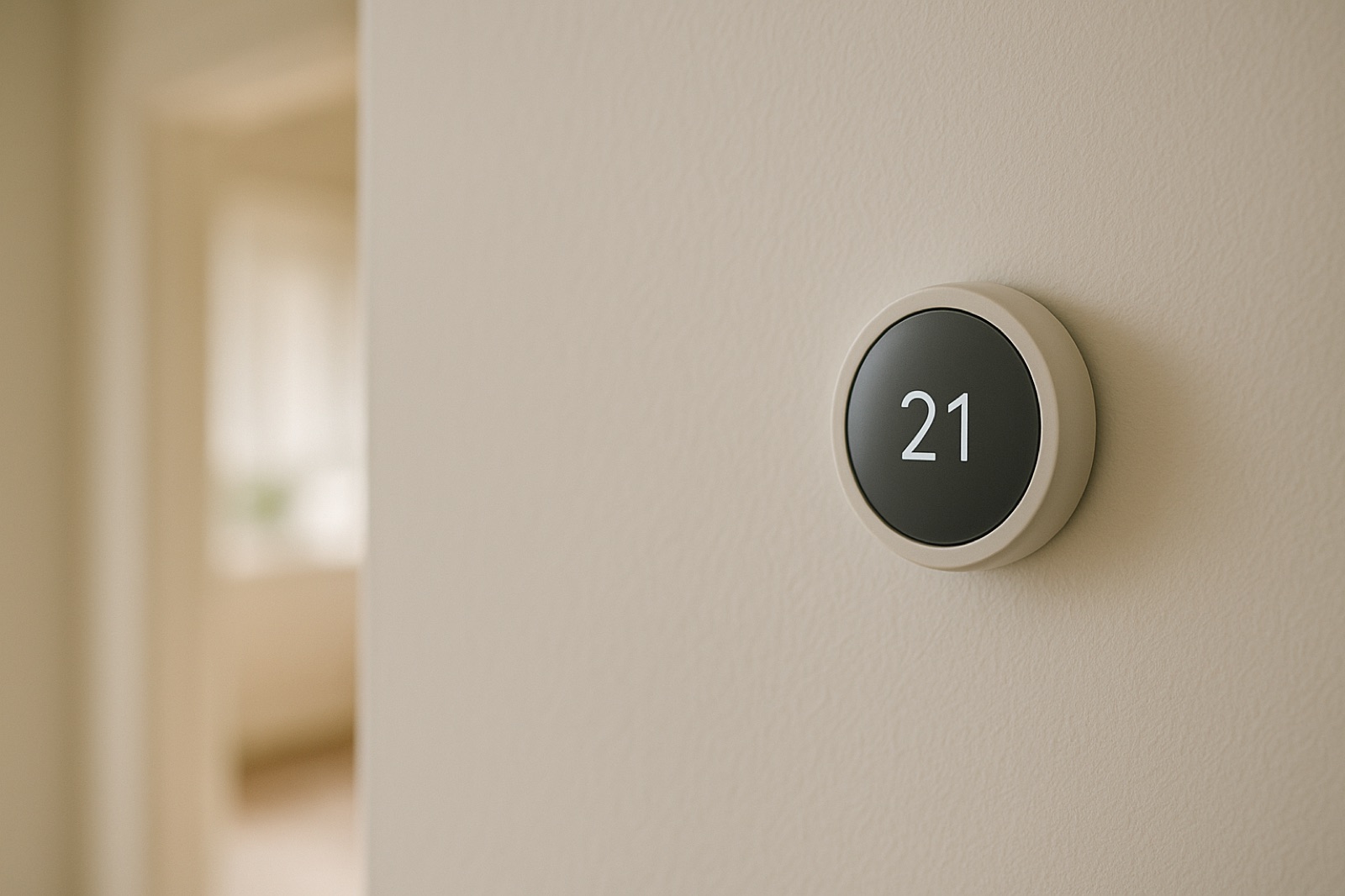
In addition, the increasing presence of smart home technology plays a role in this transition. Smart thermostats and connected devices can optimize electric heating systems for maximum efficiency, helping homeowners manage their energy consumption effectively.
Conclusion: A Practical Choice for Future Homes
As the trend towards electric heating continues to grow, homeowners and builders alike must weigh the benefits and challenges of these systems. Considering the efficiency, environmental impact, and evolving regulations, electric heating presents a practical option for new home construction. With the right planning and understanding, homeowners can embrace this shift and enjoy the benefits of modern heating technologies.
For local service context, see a roofing contractor such as Keys Roofing.