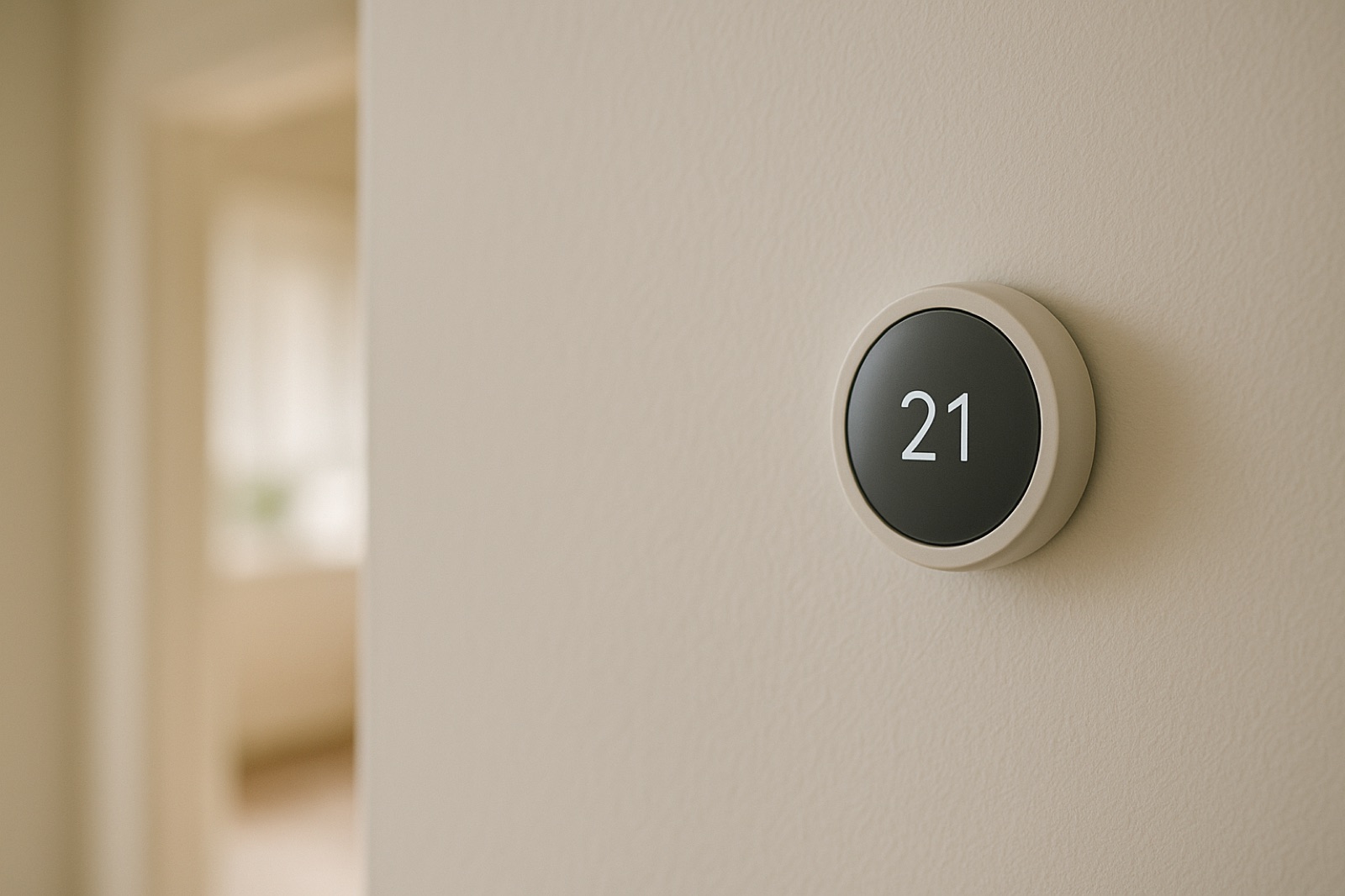
The recent announcement from the Department of Energy about their rebate programs is significant news for both homeowners and HVAC contractors. With $8.8 billion allocated through the HOMES and HEEHR programs, these initiatives are designed to facilitate HVAC equipment upgrades, enhancing energy efficiency and reducing long-term costs for homeowners.
What are the HOMES and HEEHR Programs?
The HOMES (Home Energy Performance-Based Whole-House Rebates) program offers rebates based on the energy savings achieved from home improvements. Homeowners who make qualifying upgrades can receive substantial rebates that offset their initial investment. Similarly, the HEEHR (High-Efficiency Electric Home Rebate Act) program focuses on incentivizing the installation of high-efficiency electric appliances, which includes HVAC systems.
These programs aim to encourage energy-efficient upgrades, ultimately contributing to a reduction in energy consumption across the residential sector. Such updates not only benefit homeowners by lowering energy bills but also align with broader environmental goals.
The Financial Incentives for Homeowners
For a competent homeowner equipped with a multimeter and the confidence to explore their attic or basement, diving into an HVAC upgrade can be a practical and financially advantageous choice. The rebate programs can significantly cushion the upfront costs associated with purchasing new systems. This can make previously unaffordable high-efficiency models accessible, promoting an investment that pays off over time through decreased utility bills.
For instance, a homeowner replacing an outdated furnace with a modern, high-efficiency model may find themselves eligible for several thousand dollars in rebates. This financial incentive not only supports the homeowner's budget but also drives the HVAC market towards higher efficiency standards.
Benefits for HVAC Contractors
From the contractor's perspective, these rebate programs are an opportunity to boost business and enhance customer engagement. As homeowners become more aware of the available rebates, they are more likely to seek out professional assessments and installations. This demand can lead to increased contracts for HVAC contractors who can help homeowners navigate the complexities of these programs. The potential for upselling related services, such as maintenance plans or air quality enhancements, also grows.
Moreover, as HVAC contractors specialize in energy-efficient systems, their expertise can guide homeowners through the selection process, ensuring that they choose the right equipment to maximize their rebates. The overall result is a win-win scenario for both parties - homeowners save on costs and contractors can expand their service offerings.
Considerations Before Upgrading
Before diving into the upgrade process, homeowners should assess their current systems carefully. A competent DIY enthusiast can perform some preliminary diagnostics using a multimeter and basic tools. Identifying inefficiencies, understanding the age of the current HVAC system, and researching potential replacements will provide clarity on the value of an upgrade.
It’s also essential to stay informed about the specific requirements of the rebate programs. The ACHR News highlights how these initiatives can boost business for HVAC contractors, emphasizing the importance of thorough research. Homeowners should consult with licensed professionals to ensure compliance with all guidelines and to optimize their rebate eligibility.
Conclusion
The DOE’s new rebate programs present an exciting opportunity for homeowners looking to improve their HVAC systems while benefiting from financial incentives. With careful planning and professional guidance, upgrading to a more efficient system can lead to long-term savings and improved home comfort. As these programs roll out, both homeowners and HVAC contractors will find themselves at the forefront of a shift towards greater energy efficiency.
For local service context, see a roofing contractor such as Keys Roofing.