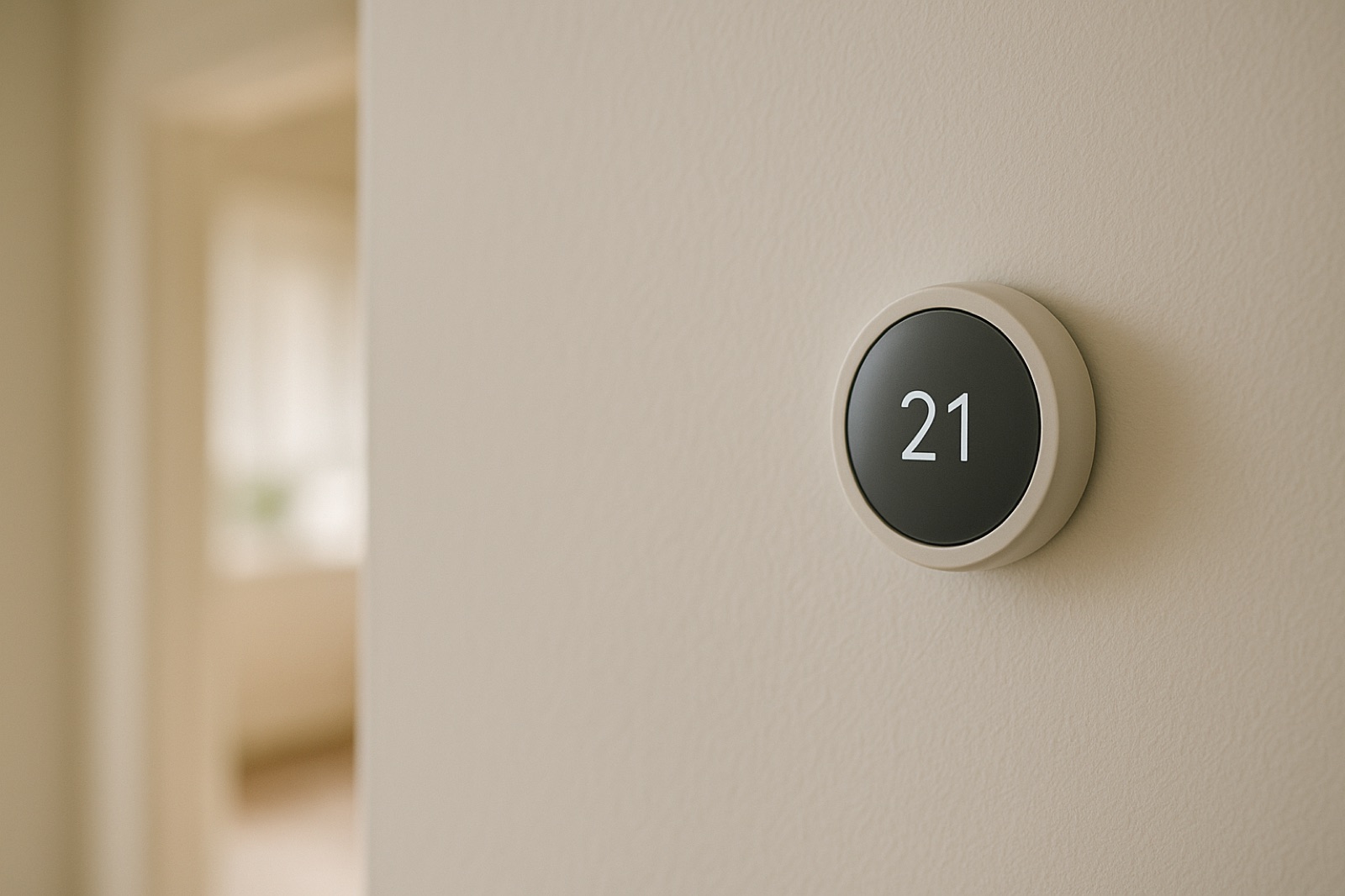
The HVAC landscape is shifting as new homes increasingly adopt electric heating systems. In 2024, data indicated that electric heating reached its highest-ever share of the U.S. new housing market, with 61% of completed units featuring some form of electric system, according to a report from the Building Decarbonization Coalition. This trend is significant for homeowners looking to balance comfort, energy efficiency, and sustainability.
Understanding the Shift to Electric Heating
Historically, natural gas has been the dominant player in residential heating. However, a combination of regulatory changes, technological advancements, and shifting consumer preferences is driving homeowners to reconsider their options. Electric heating systems offer a variety of solutions, including heat pumps, electric furnaces, and baseboard heaters, each with its own set of advantages.
One of the key factors in this transition is the increasing emphasis on decarbonization and energy efficiency. As the country looks to reduce greenhouse gas emissions, electric heating systems - especially heat pumps - are becoming more appealing. They can provide both heating and cooling, enhancing their versatility in various climates.
Benefits of Electric Heating Systems
For the competent homeowner, there are several practical advantages to consider:
- Energy Efficiency: Electric heating systems can be highly efficient, particularly when using heat pumps that convert energy from the air or ground into heat. This can lead to significant savings on energy bills.
- Low Maintenance: Electric systems typically require less maintenance compared to gas systems, which need regular inspections and servicing to ensure safety and efficiency.
- Installation Flexibility: Electric heating can be easier and less costly to install, as it does not require gas lines or extensive ductwork.
Moreover, with the increasing availability of smart technologies, electric heating systems can be integrated with home automation setups, allowing for enhanced control over energy usage and comfort levels.
Considerations for Homeowners
While the transition to electric heating presents many benefits, homeowners should also consider the potential drawbacks:
- Higher Operating Costs: Depending on local electricity rates, operating costs can be higher than natural gas, potentially offsetting savings from installation and maintenance.
- Performance in Extreme Weather: In colder climates, the efficiency of some electric heating systems may decline, making them less effective during extreme temperatures.
- Grid Dependency: Electric systems rely on the electrical grid, which can be a concern during outages or in regions with less stable electricity supply.
As you consider upgrading or installing a new heating system, it may be worthwhile to consult a professional or visit a water treatment shop like Jones Air & Water to explore your options and ensure you choose the best solution for your home and lifestyle.
The Future of Electric Heating
Looking ahead, the trend toward electric heating is likely to continue, especially with support from federal and state energy policies aimed at promoting cleaner energy sources. Homeowners should stay informed about local incentives and rebates for electric heating installations, which can help ease the financial burden and facilitate the switch.
In conclusion, the momentum behind electric heating systems represents an important evolution in home heating practices. By staying proactive and informed, homeowners can make choices that not only enhance their comfort but also contribute to a more sustainable future.