As the building market shifts towards sustainability and efficiency, electric heating systems are gaining significant traction in new homes. According to a report by the Building Decarbonization Coalition, electric heating reached its highest-ever share of the U.S. new housing market in 2024, with 61% of completed units featuring some form of electric system. This trend is reshaping how we think about residential heating and cooling.
Understanding the Shift to Electric Systems
The rise of electric heating systems in new homes is driven by several factors. For one, there is a growing emphasis on reducing carbon footprints and enhancing energy efficiency. Electric heating aligns well with the broader goals of decarbonization, as many regions are working to phase out fossil fuels in favor of cleaner energy sources. Homeowners are increasingly aware of the long-term savings associated with electric systems, not just in terms of energy bills but also regarding maintenance and longevity.
Types of Electric Heating Systems
Homeowners looking to install electric heating have several options to consider:
- Electric Resistance Heating: This is a straightforward option that converts electricity directly into heat. Commonly found in baseboard heaters and wall units, it's generally easy to install but can be less efficient for larger spaces.
- Heat Pumps: These systems extract heat from the air or ground and are much more efficient than traditional electric resistance heating. As they can both heat and cool, they offer year-round comfort and reduced operational costs.
- Radiant Floor Heating: This system provides warmth directly through the floor, offering a cozy feel and even heat distribution. It's popular for new builds but requires more upfront investment.
- Electric Boilers: These can be used to provide hydronic heating, where hot water circulates through pipes in the home. They are ideal for larger homes or those with existing hydronic systems.
The Role of Technology in Adoption
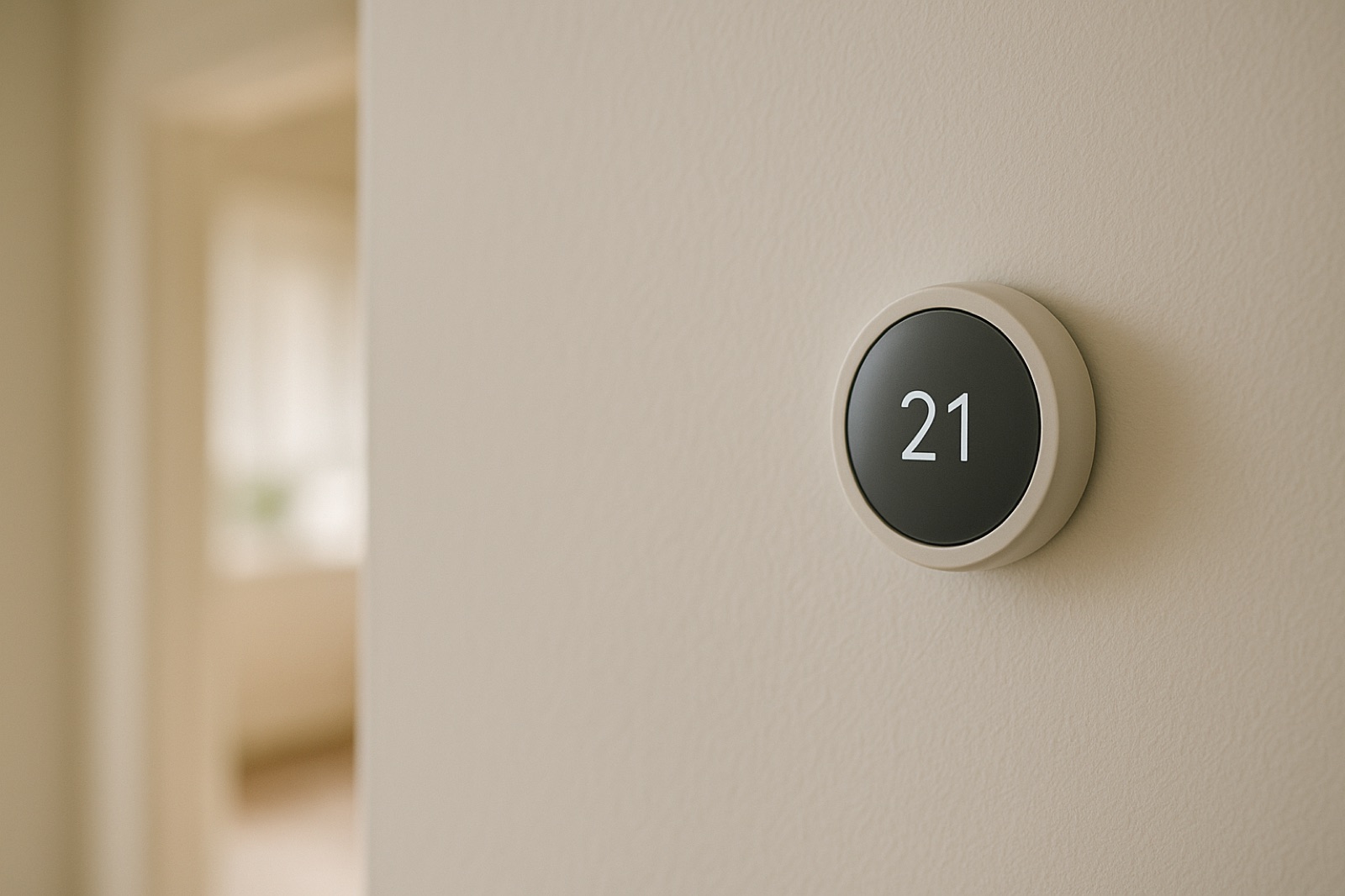
Smart home technology is also playing a role in the increasing popularity of electric heating. Many new electric systems are compatible with smart thermostats and home automation platforms, allowing homeowners to optimize their heating schedules for both comfort and efficiency. This ability to monitor and control systems remotely adds a layer of convenience that traditional heating methods often lack.
Challenges and Considerations
While the trend towards electric heating is promising, homeowners should also consider a few challenges. The initial installation costs can be higher than traditional systems, and in some areas, reliance on electricity can become a concern during peak demand times. Furthermore, the efficiency of electric heating systems can vary based on the local energy mix; in regions heavily reliant on fossil fuels for electricity generation, the environmental benefits may be less pronounced.
It is essential for homeowners to consult with their HVAC professionals about local energy sources, available systems, and potential rebates or incentives that may help offset installation costs. As the market continues to evolve, understanding both the technology and the infrastructure will be crucial for making informed decisions.
Conclusion
Electric heating systems are not just a passing trend but rather a reflection of the changing landscape in home comfort. With their increasing prevalence in new construction and advancements in technology, these systems offer a compelling option for homeowners looking to make sustainable choices. As noted in ACHR News, electric heating is poised to remain a significant player in the residential heating market, signaling a shift in how we approach home comfort.
For local service context, see a water treatment shop like Jones Air & Water.