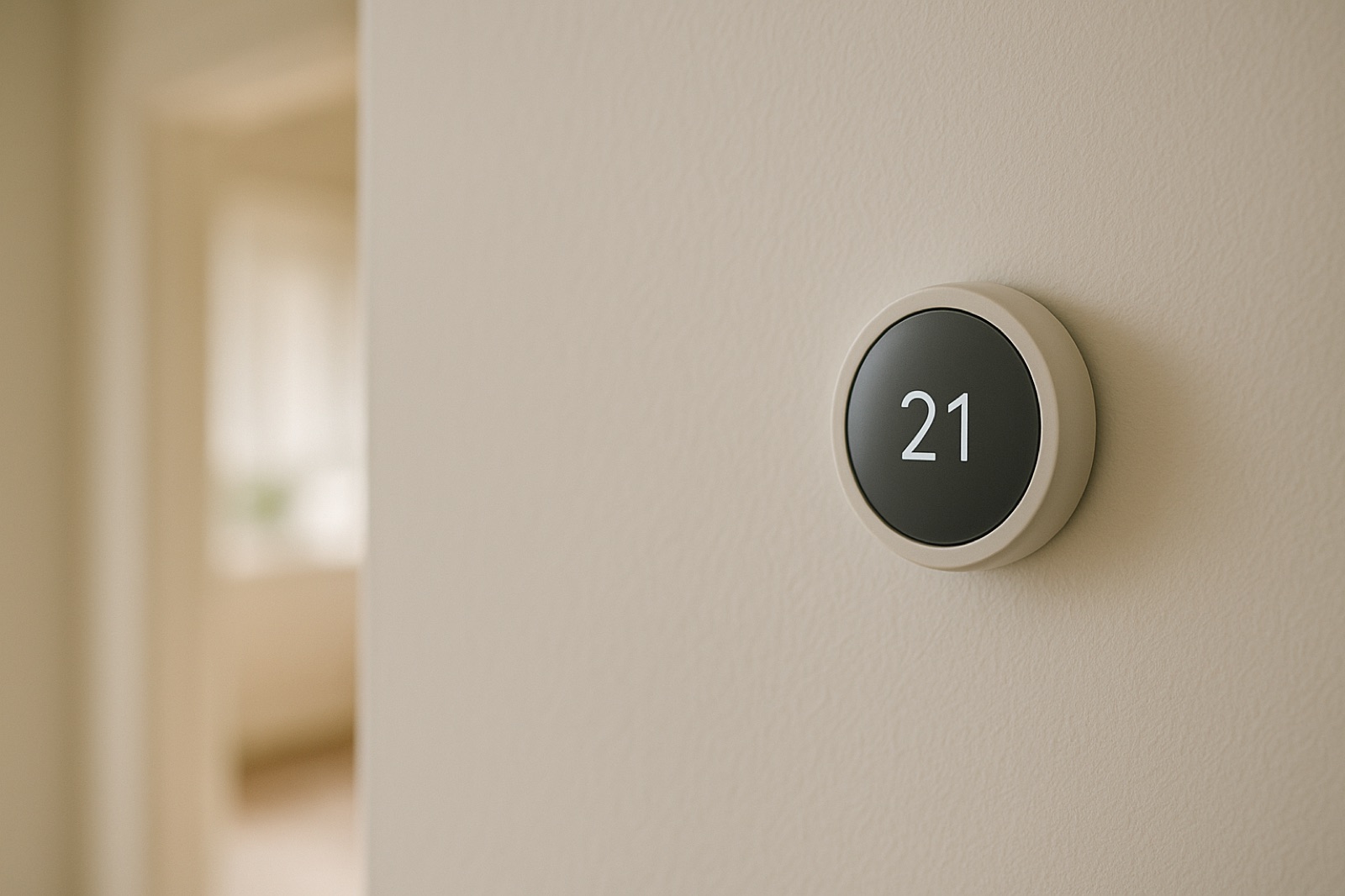
As we move into a future where sustainability and efficiency are key concerns, many homeowners are considering electric heating systems. Recent trends indicate a significant shift in the market, with electric heating reaching its highest-ever share of the U.S. new housing market in 2024. According to a report from the Building Decarbonization Coalition, 61% of the new units completed that year were outfitted with some type of electric system, indicating a clear movement towards this technology (ACHR News).
Deciding on Electric Heating
Transitioning to electric heating involves several factors worth considering. Most importantly, homeowners should assess their current heating needs and how electric systems can meet those demands. Electric heating systems are generally easier to install than traditional systems since they do not require complicated ductwork or fuel lines. For many, this translates to a practical solution with less disruption during installation.
Types of Electric Heating Systems
Electric heating systems come in various forms, including electric furnaces, heat pumps, and radiant floor heating. Each type has its benefits:
- Electric Furnaces: These are straightforward to install and can heat your home quickly. However, they may not be as efficient as other options.
- Heat Pumps: These are highly efficient in moderate climates and can both heat and cool your home. They work by transferring heat rather than generating it, which can significantly reduce energy costs.
- Radiant Floor Heating: This offers comfort by heating from the ground up. While installation can be costly, it provides excellent efficiency and comfort.
Benefits of Electric Heating
There are numerous advantages to switching to electric heating systems:
- Lower Operating Costs: With advancements in technology, electric heating systems have become more energy-efficient, leading to lower utility bills.
- Environmentally Friendly: As the grid becomes greener with more renewable sources, your electric heating system could contribute to a lower carbon footprint.
- Safety and Maintenance: Electric systems generally require less maintenance than gas systems and pose fewer safety hazards, such as carbon monoxide leaks.
Challenges to Consider
While the benefits are compelling, there are challenges in transitioning to electric heating. Depending on your current infrastructure, you may need to make electrical upgrades to handle the load. In some instances, older homes may not have the capacity to support multiple electric systems simultaneously. Additionally, homeowners in colder climates should consider how these systems perform in extreme conditions.
Preparing Your Home for Electric Heating
Before making the leap to electric heating, it is prudent to conduct an energy audit of your home. This will help you identify any areas that need weatherization or insulation improvements, ensuring that your new system operates efficiently. You might also want to consult with an HVAC professional to evaluate your current setup and discuss the best electric heating options tailored to your specific needs.
Conclusion
As electric heating systems gain momentum in the housing market, homeowners should take a practical approach to evaluate their options. With a variety of systems available and significant advancements in technology, now is a good time for homeowners to consider how electric heating can enhance their comfort and efficiency. Whether you are building a new home or renovating an existing one, electric heating may represent a smart investment for the future.
For local service context, see a roofing contractor such as Keys Roofing.