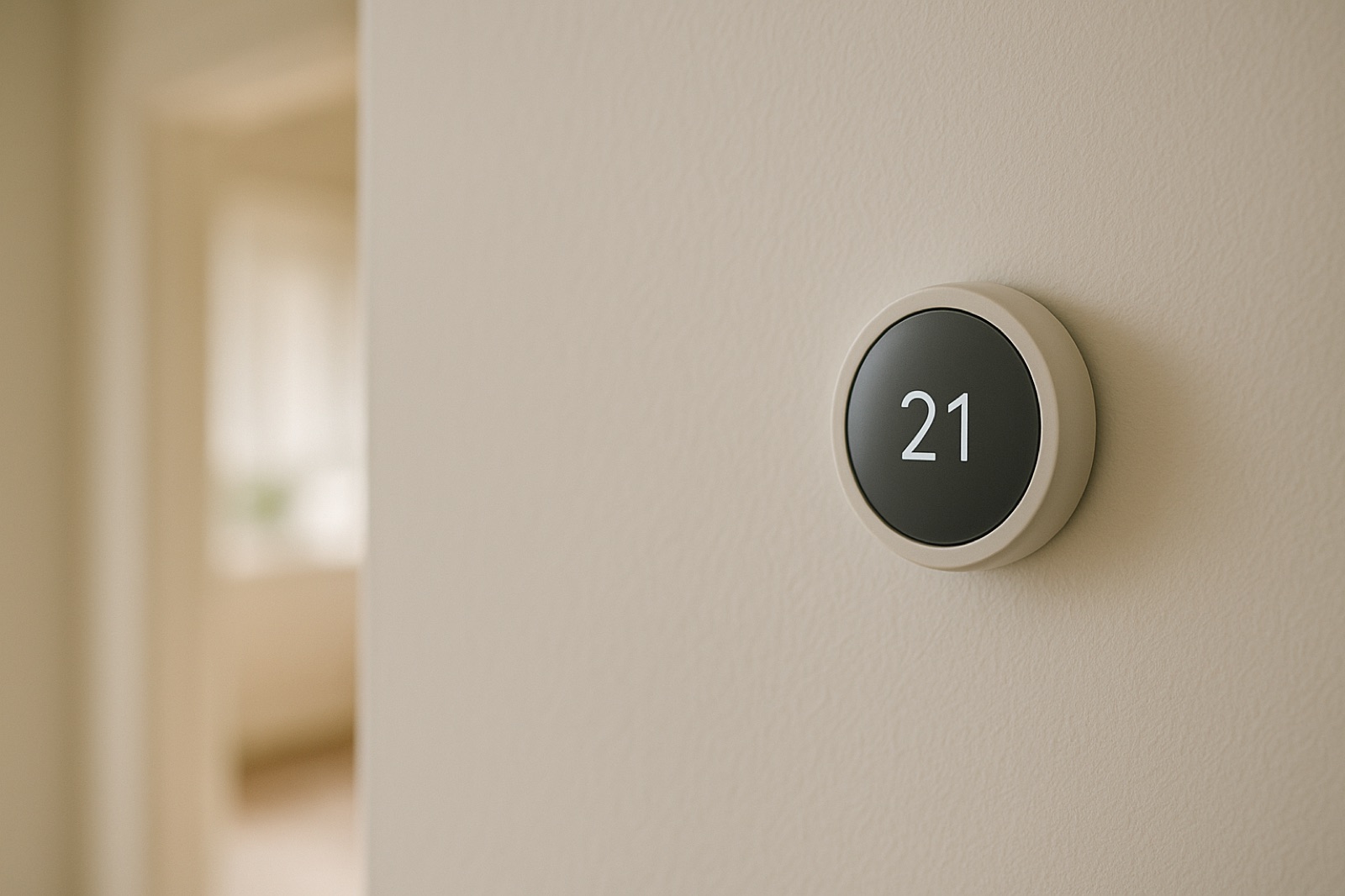
In recent years, the momentum for electric heating systems in residential construction has reached new heights. According to a report from the Building Decarbonization Coalition, electric heating now accounts for 61% of all new housing units completed in 2024. This represents the highest share ever documented in the U.S. housing market. As a competent homeowner equipped with tools like a multimeter, you may be considering the implications of this shift on your heating system and overall energy consumption.
The Benefits of Electric Heating
Electric heating systems offer a range of advantages that make them appealing for both builders and homeowners. One of the most significant benefits is that they tend to have lower installation costs compared to their gas counterparts. This can be particularly appealing during the construction phase, where labor and material costs can add up quickly.
Additionally, electric heating systems are generally easier to maintain. Without the need for gas lines or extensive venting systems, homeowners can enjoy a simpler setup. Many new electric heating technologies also boast high efficiency ratings, which can translate into lower operating costs over time.
Impact on Energy Consumption
Despite the initial charm of electric heating, it is essential to consider its impact on your energy consumption and utility bills. While electric systems can be efficient, they can also lead to higher electricity usage, especially in colder climates. Homeowners should evaluate their local energy costs and consider investing in additional insulation or smart heating controls to mitigate potential increases in their electricity bills.
Moreover, the move toward electric systems aligns with broader energy efficiency goals. By reducing reliance on fossil fuels, electric heating systems contribute to a decrease in greenhouse gas emissions. This is critical for homeowners looking to lower their carbon footprint and embrace more sustainable living practices.
Local Regulations and Utility Incentives
With the growing interest in electric heating, it is also worth investigating any local regulations or utility incentives that may apply to your situation. States and municipalities are increasingly offering rebates and incentives to encourage the adoption of energy-efficient appliances and systems. For instance, the Department of Energy's HOMES and HEEHR programs provide rebates for HVAC equipment upgrades and installs, which can significantly offset initial costs for homeowners upgrading to more efficient systems according to ACHR News.
Considerations for Existing Homes
If you are considering a shift to electric heating in an existing home, several factors should be taken into account. The infrastructure of your home may need an upgrade to accommodate electric heating, especially if you are switching from gas. This includes ensuring your electrical system can handle the added load without risking overload or tripping breakers. It may also involve replacing outdated wiring.
Furthermore, homeowners should assess the compatibility of their current heating setup with new electric systems. In some cases, a hybrid approach may work, where electric systems are used in conjunction with existing gas systems to provide a balanced heating solution.
Final Thoughts
The shift toward electric heating in new homes presents both opportunities and challenges for homeowners. As electric heating systems continue to gain traction, understanding their benefits and implications will be crucial for making informed decisions about your home comfort. Whether you are building a new home or considering a system upgrade, taking the time to evaluate your options will ensure that you are prepared for this evolving landscape.
As you navigate this transition, staying informed about local regulations, available rebates, and energy costs will help you make the best choice for your home and your wallet. Also, keep an eye on ongoing developments in the HVAC industry - changes may bring new technologies and solutions to your doorstep.
For local service context, see a roofing contractor such as Keys Roofing.