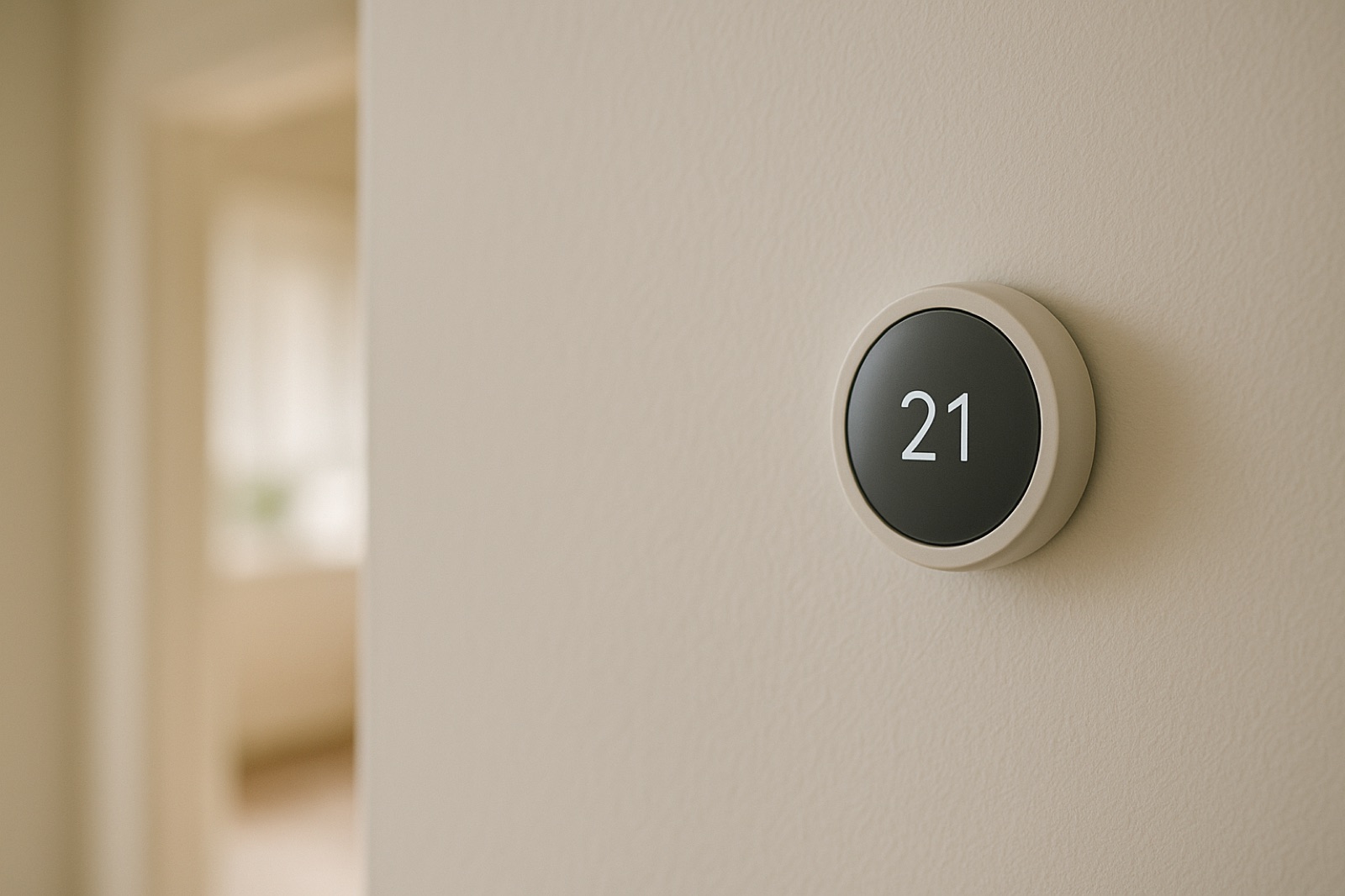
The HVAC industry is experiencing a significant shift, driven in part by the Department of Energy's (DOE) recent initiatives aimed at promoting energy-efficient upgrades. With programs like HOMES and HEEHR, the DOE is providing rebates that can alleviate the financial burden often associated with upgrading heating and cooling systems. Understanding these programs is crucial for homeowners looking to improve their home's energy efficiency while saving money.
Overview of DOE's Rebate Programs
The HOMES program focuses on whole-house energy retrofits, offering rebates based on the energy savings achieved. This means that if a homeowner implements measures that lead to substantial energy savings, they can receive a rebate that can offset the costs of new HVAC equipment. The HEEHR program, on the other hand, is targeted specifically at HVAC systems, incentivizing the installation of high-efficiency heating and cooling systems.
Both programs are part of a broader effort to reduce energy consumption and promote the adoption of advanced technologies in residential settings. The DOE aims to make these technologies financially accessible, thus encouraging homeowners to consider upgrades that they might have otherwise postponed due to cost concerns.
Benefits of Upgrading HVAC Systems
Upgrading to energy-efficient HVAC equipment not only reduces energy bills but also contributes to a more comfortable living environment. Newer systems typically operate more quietly and are designed to provide better air quality - a crucial factor for many homeowners. Additionally, as HVAC technology continues to evolve, newer systems often include advanced features such as smart thermostats and improved humidity control.
By taking advantage of rebate programs, homeowners can offset the initial investment in these advanced systems. The potential for significant long-term savings on energy bills can make these upgrades a financially sound decision.
Navigating the Rebate Process
While the prospect of receiving financial incentives is appealing, navigating the rebate process can be a bit daunting. Homeowners should start by assessing whether their current HVAC system qualifies for an upgrade under the HOMES or HEEHR programs. This may involve consulting with a licensed HVAC contractor who can provide insights into the efficiency of the existing system and recommend appropriate upgrades.
Once the decision to upgrade has been made, keeping detailed records of the installation process and energy savings can facilitate the rebate application. Contractors familiar with the rebate processes can often assist in submitting the necessary documentation, which can streamline the experience for homeowners.
Staying Informed and Engaged
As more homeowners seek to improve energy efficiency in their homes, staying informed about available rebate programs is essential. The DOE continually updates its offerings, and local utility companies may have additional incentives that can complement federal rebates.
Furthermore, awareness of these programs is vital for HVAC professionals as well. As noted in a recent article from ACHR News, the DOE's $8.8B rebate programs could offer significant business opportunities for HVAC contractors, helping them attract customers looking to upgrade their systems while taking advantage of available financial incentives.
Conclusion
The DOE's rebate programs are not just an opportunity for financial savings - they represent a larger trend towards energy efficiency in residential HVAC systems. By understanding and utilizing these programs, homeowners can enhance their comfort while contributing to broader energy conservation efforts. As the industry evolves, staying engaged with available resources will empower homeowners to make informed decisions about their HVAC systems.
For local service context, see a roofing contractor such as Keys Roofing.