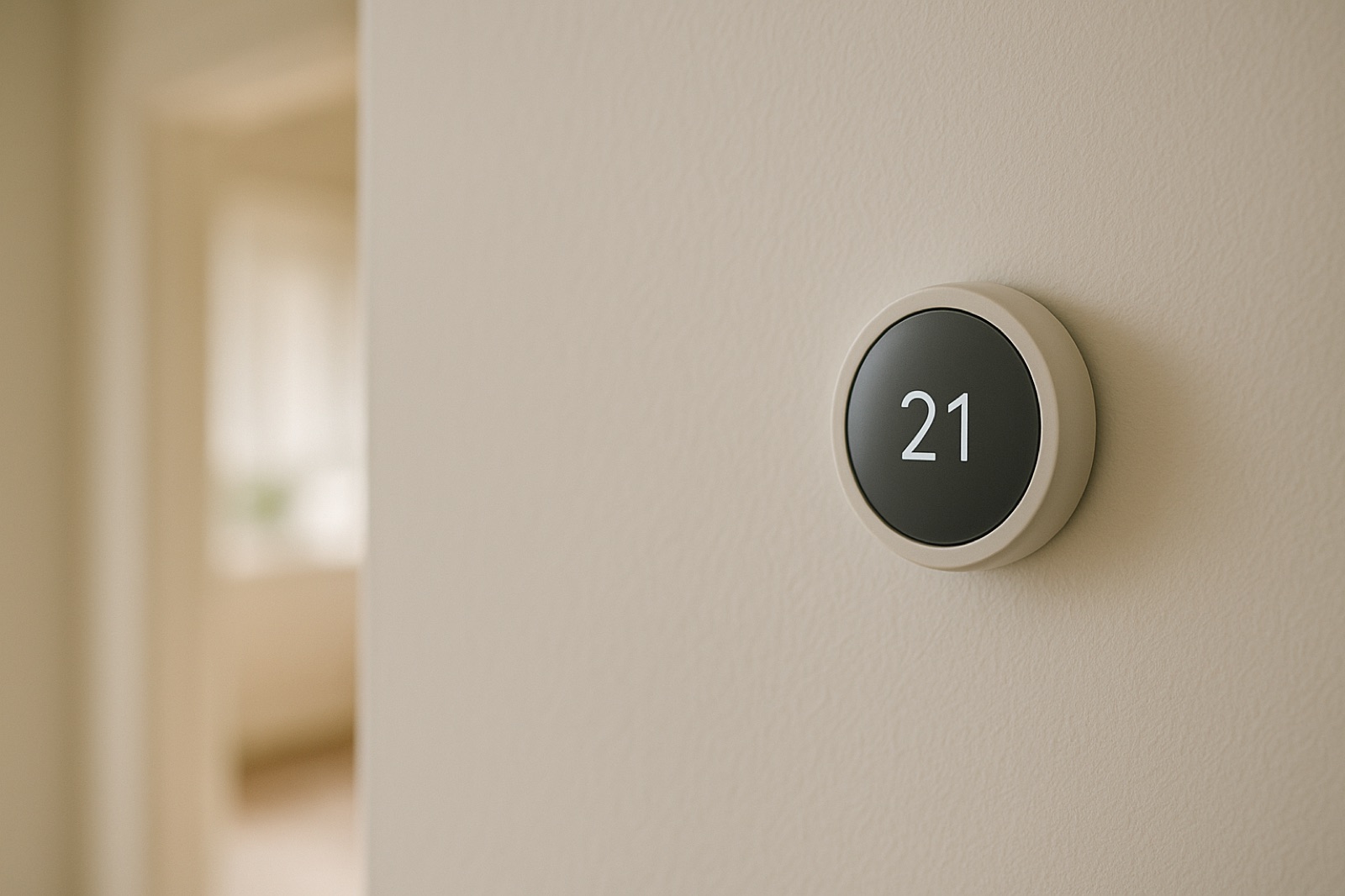
As energy efficiency and sustainability become increasingly important to homeowners, the heating systems being installed in new homes are evolving. According to a recent report by the Building Decarbonization Coalition, as of 2024, electric heating has reached its highest-ever share of the new housing market, with 61% of completed units featuring some form of electric system. This shift represents a significant change in how homeowners approach heating solutions, with implications for both comfort and energy consumption.
The Rise of Electric Heating
The trend toward electric heating is driven by several factors, including advancements in technology and changing regulations aimed at reducing carbon emissions. Electric heating systems, such as heat pumps, are becoming more affordable and efficient, making them a viable option for many homeowners. These systems not only provide heating but can also serve as cooling solutions, offering year-round comfort.
With traditional gas heating systems facing scrutiny due to their carbon footprint, electric alternatives are now considered more environmentally friendly. Homeowners are increasingly looking for ways to lower their utility bills while also meeting local regulations regarding emissions. As a result, electric heating systems are often seen as a strategic investment for both comfort and compliance with future energy codes.
Benefits of Electric Heating
One of the primary advantages of electric heating is its efficiency. Modern electric systems can convert nearly all of the energy they consume into heat, resulting in lower operational costs compared to older gas systems that might waste energy through ventilation. Furthermore, electric heating systems are typically easier to install and maintain, reducing potential headaches for homeowners.
Another factor to consider is the potential integration of renewable energy sources. Homeowners with solar panels can significantly reduce their heating costs by utilizing the electricity generated to power their heating systems. This synergy not only enhances the sustainability of a home but can lead to substantial long-term savings.
Considerations for Homeowners
While the benefits of electric heating are compelling, homeowners should also consider several factors before making a switch. First, it is essential to evaluate the electrical capacity of your home. Older homes may need an electrical service upgrade to accommodate new heating systems. Working with a qualified electrician can help determine what upgrades are necessary.
Second, the type of electric heating system best suited for your home will depend on various factors, including climate, home size, and personal preferences. Heat pumps, for instance, are highly effective in moderate climates, while other electric heaters might be more suitable for different conditions.
Finally, as electric heating systems become more prevalent, homeowners should stay informed about potential incentives and rebates that may be available for upgrading to more efficient technologies. The U.S. Department of Energy frequently updates resources to help guide homeowners through available programs and technologies.
Conclusion
The shift towards electric heating in new homes reflects a broader trend towards greener energy solutions. As highlighted in the report from ACHR News, the growing prevalence of electric heating systems offers homeowners a practical way to enhance comfort while also reducing their environmental impact. By understanding the benefits and considerations involved, homeowners can make informed decisions that align with both their comfort needs and sustainability goals.
For those interested in a deeper dive into the details of this evolving landscape, ACHR News provides a comprehensive overview of the trends shaping the future of home heating.
For local service context, see a water treatment shop like Jones Air & Water.