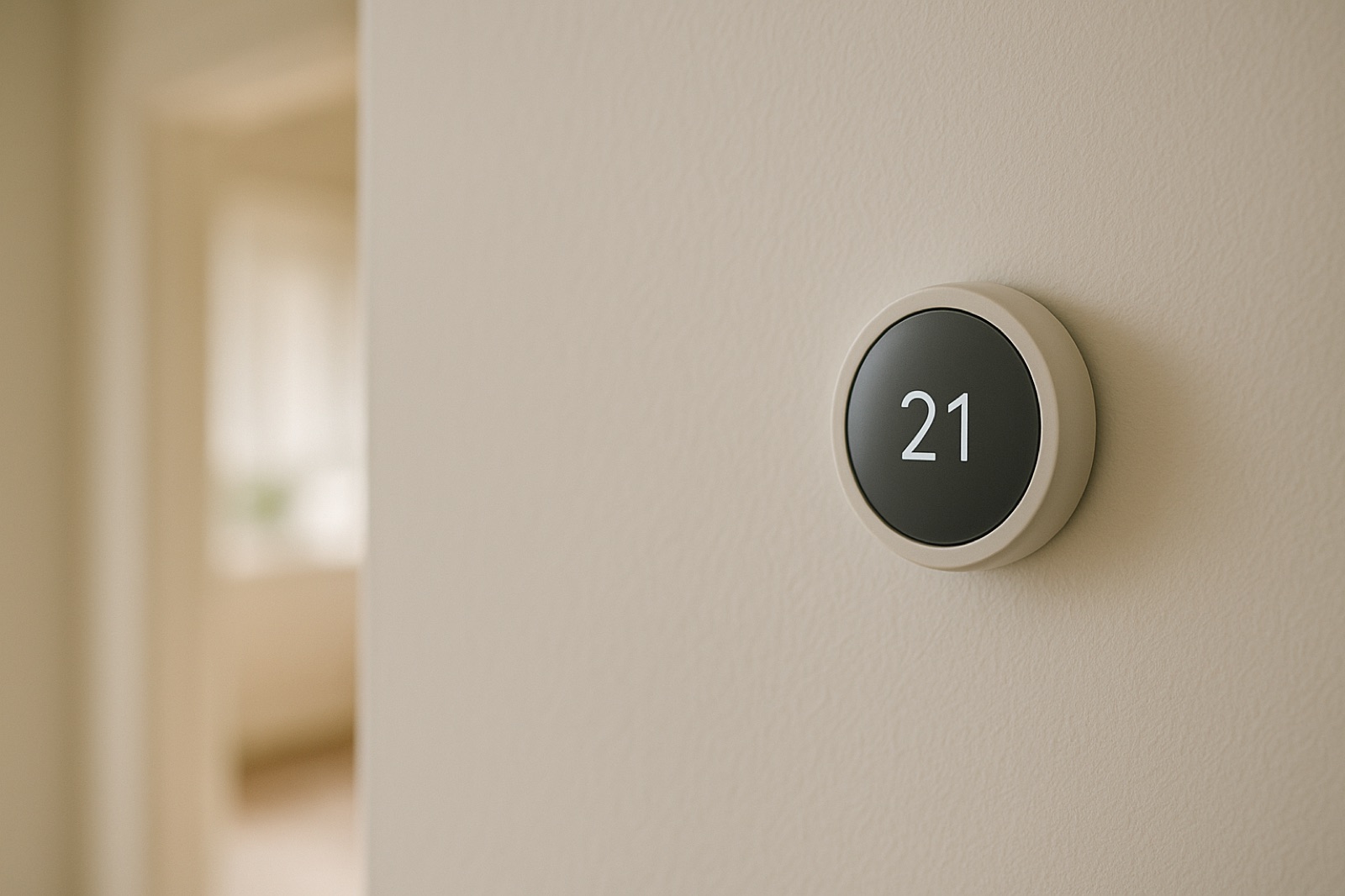
As electric heating systems gain traction in new home constructions, homeowners are finding themselves at a crossroads. With a reported 61% of new housing units completed in 2024 outfitted with electric heating, the landscape for home comfort is changing rapidly. This shift is driven by several factors, including efficiency, environmental concerns, and advancements in technology.
Understanding the Shift to Electric Heating
The increase in electric heating installations is largely attributed to the growing focus on decarbonization in the housing market. Homeowners and builders alike are recognizing the benefits of reducing reliance on fossil fuels. With the Building Decarbonization Coalition report indicating that electric heating reached its highest-ever share of the U.S. new housing market, the trend is unmistakable. More builders are opting for electric systems not only for their environmental benefits but also for their feasibility in modern construction.
Efficiency and Technology in Electric Heating
Electric heating systems have come a long way from their earlier iterations. Modern electric systems are designed to be more efficient than ever before. Many new models employ smart technology that allows for better energy management, ultimately resulting in lower utility bills. Homeowners equipped with a multimeter can easily monitor the performance of their electric heating systems, making maintenance straightforward.
In addition, advancements in heating technology have led to the development of various electric heating solutions, from baseboard heaters to radiant floor heating. The versatility of these systems allows them to be integrated into diverse home designs. Electric systems can be installed in hard-to-reach areas, providing warmth without compromising on space or aesthetics.
Comparing Electric Heating to Traditional Systems
While electric heating may have a higher upfront cost compared to traditional gas systems, the long-term savings can be significant. Given that electricity prices can fluctuate, it is essential for homeowners to consider their local energy costs when choosing an electric system. Moreover, as the grid shifts towards renewable energy sources, the carbon footprint of electric heating continues to decrease.
For homeowners who are already considering an upgrade, understanding the return on investment is crucial. A well-installed electric heating system can lead to lower maintenance costs and a longer lifespan, especially when compared to older gas systems that may require frequent repairs.
Practical Considerations for Homeowners
For homeowners looking into electric heating, the installation process is typically less invasive than that of traditional systems. The absence of ductwork or gas lines simplifies installation, especially in renovations or new builds. However, it's important to understand local building codes and the specifications of the electric systems being considered.
Additionally, homeowners should be aware of the implications of switching to electric heating in terms of full home energy management. Upgrading to a complete electric system may also necessitate changes in other areas, such as electrical panels or insulation standards. Conducting a thorough energy audit before making the switch can provide valuable insight into the maximum benefits of electric heating.
Looking Ahead
As the trend towards electric heating systems continues, it is clear that this shift is more than just a passing phase; it reflects a broader movement towards sustainable living and efficient home systems. For the competent homeowner, the transition offers an opportunity to not only upgrade their heating systems but also contribute to a more sustainable energy future.
With new technologies consistently emerging and government incentives promoting electric heating, now may be the ideal time for homeowners to evaluate their options carefully. By taking advantage of the current shift, they can ensure their homes are comfortable, efficient, and ready for the future.
For local service context, see a roofing contractor such as Keys Roofing.