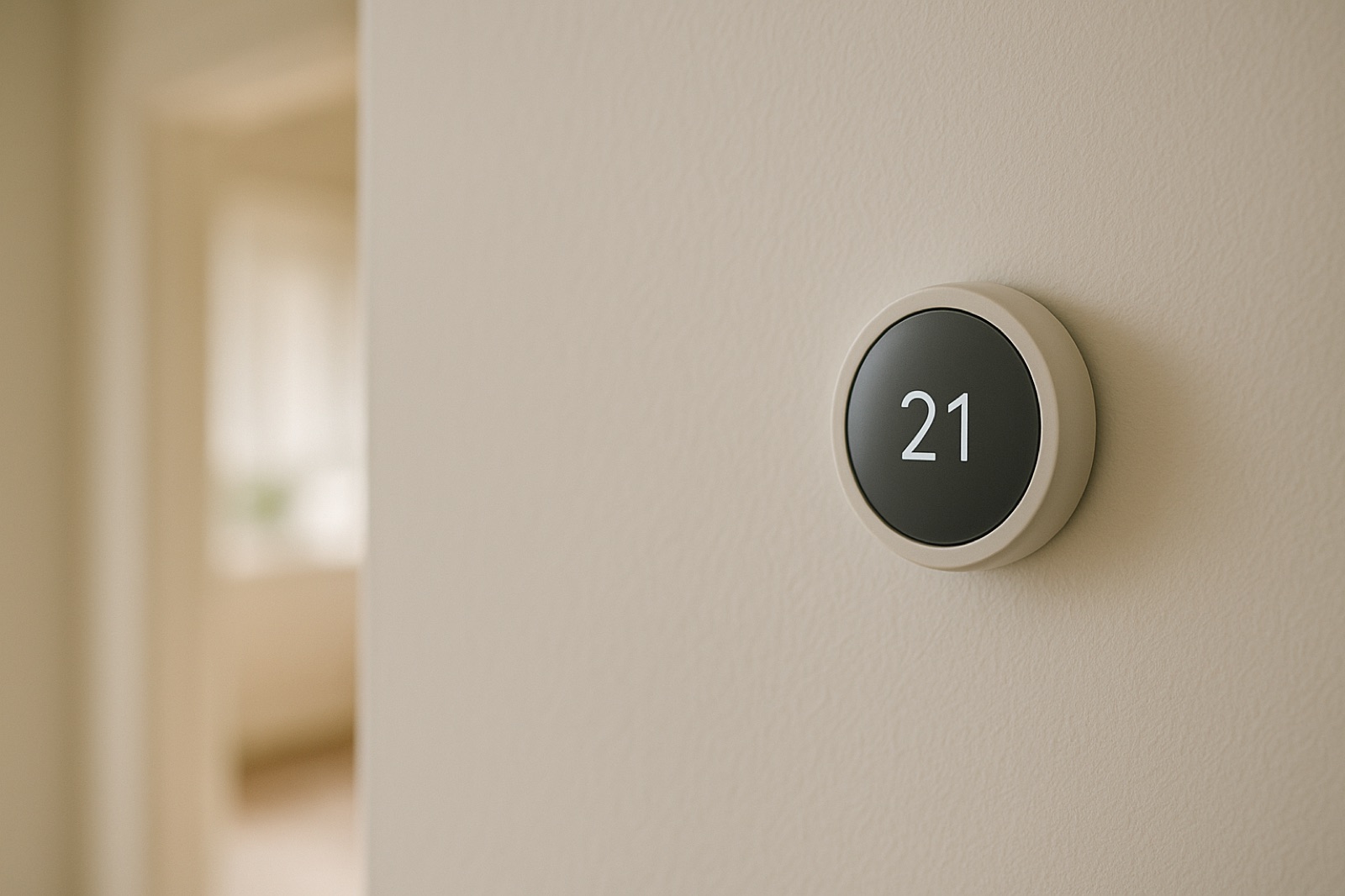
The landscape of residential heating is undergoing significant changes, particularly in the adoption of electric heating systems. As of 2024, electric heating has reached its highest market share in new homes, with 61% of completed units outfitted with some type of electric system, according to U.S. Census Bureau data (ACHR News). This shift is not merely a trend but a reflection of evolving building codes, energy efficiency standards, and homeowner preferences.
Why Electric Heating is Gaining Traction
Several factors contribute to the increasing popularity of electric heating systems in new homes. First, the growing emphasis on sustainability and environmental responsibility is pushing builders and homeowners toward options that reduce carbon footprints. Electric heating, especially when sourced from renewable energy, aligns well with these goals.
Additionally, advancements in electric heating technology have made these systems more efficient than ever. Modern electric systems, including heat pumps and electric resistance heating, offer high efficiency ratings, which can translate to lower energy bills. Homeowners find that these systems are easier to install and maintain compared to traditional fossil fuel-based options.
Understanding the Different Electric Heating Options
When considering electric heating for a new home, it is essential to understand the various systems available. Heat pumps are becoming increasingly popular due to their dual functionality for both heating and cooling. They work by transferring heat from outside to inside your home, making them highly efficient, especially in moderate climates.
Electric furnaces and baseboard heaters offer more traditional heating solutions. While they can be effective, they may not provide the same efficiency levels as heat pumps. Radiant floor heating systems, another electric option, are particularly favored for their comfort and ability to maintain even temperatures throughout a space.
Installation Considerations for Homeowners
As a competent homeowner with some DIY skills and tools like a multimeter, you might be curious about the installation or retrofitting of electric heating systems. In many cases, upgrading to electric heating can be as straightforward as modifying existing wiring and ensuring that your electrical panel can handle the new load.
It is vital to consult local building codes and possibly hire a licensed electrician, especially if your system requires complex wiring or if you are integrating it with home automation systems. Safety should always be your top priority, and proper installation will ensure your system operates efficiently.
Energy Efficiency and Future Savings
Investing in electric heating may come with higher upfront costs, but the long-term savings can be substantial. With many electric heating systems equipped with smart technology, they can be programmed to heat your home only when needed, minimizing energy waste. Additionally, with the projected rise in energy rates, homeowners are beginning to see electric heating as a more stable investment.
Moreover, electric heating systems may qualify for various rebates and incentives as part of broader efforts to promote energy efficiency. As you consider your options, be sure to research what local or federal programs might be available to offset installation costs.
The Future of Heating Systems
The transition toward electric heating systems in new homes marks a significant evolution in residential comfort solutions. As technology continues to advance and sustainability becomes a critical concern, homeowners who embrace electric heating can expect a home that is not only comfortable but also aligned with modern energy standards.
The data supporting this shift is clear: electric heating is not just a passing trend but a sustainable choice for the future of home heating. Make informed choices about your heating system, and your home will be well-prepared for the demands of the coming years.
For local service context, see a water treatment shop like Jones Air & Water.