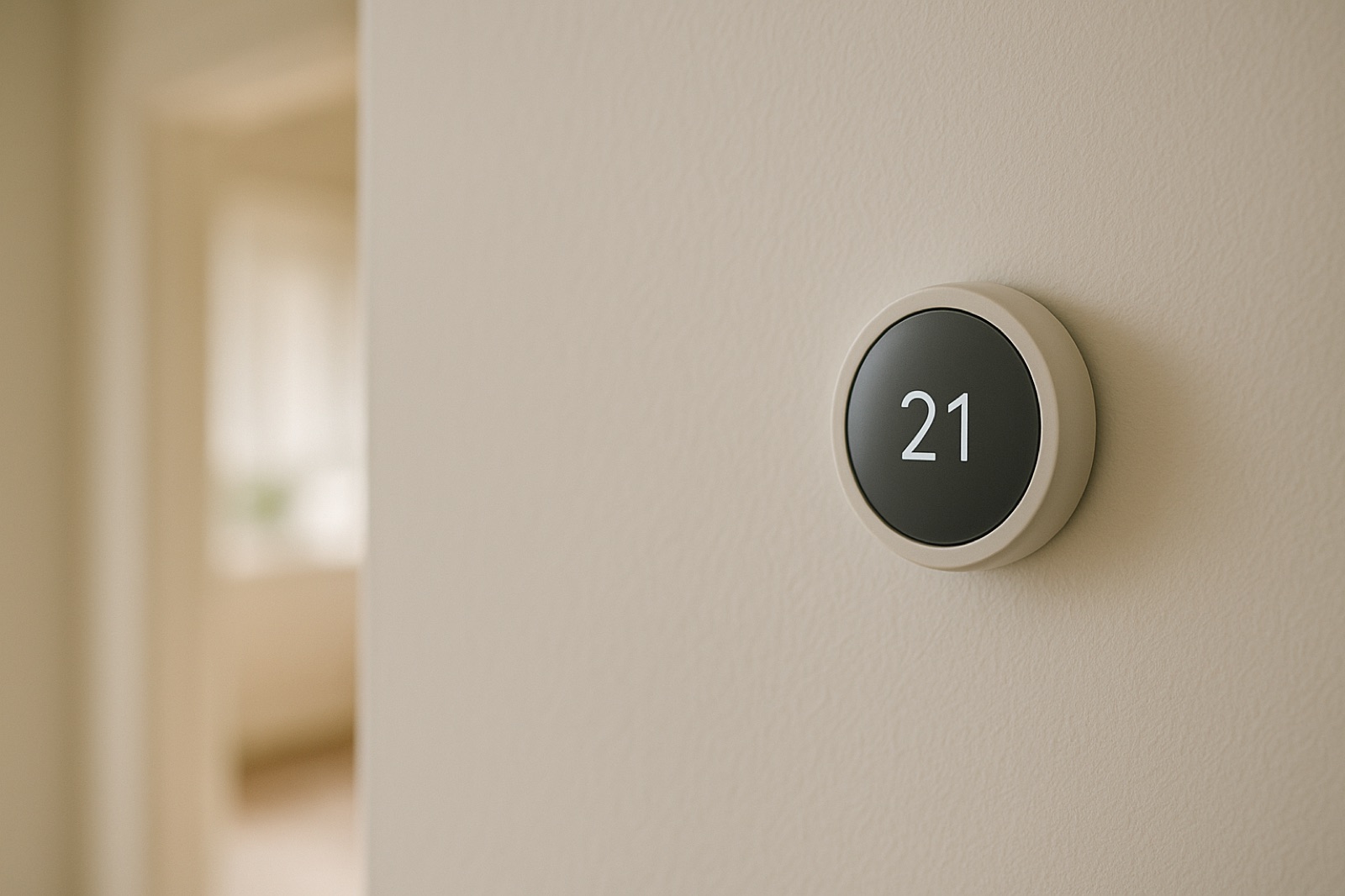
As energy efficiency and sustainability become top priorities in home construction, electric heating systems are gaining significant traction. The latest findings indicate that electric heating has reached its highest-ever share of the U.S. new housing market, with reports stating that 61% of new homes completed in 2024 featured some type of electric system, as noted in a recent article from ACHR News.
As a homeowner or contractor, understanding the implications of this shift is essential for making informed decisions regarding heating systems. Electric heating systems are perceived as cleaner and more efficient compared to traditional fossil fuel systems, aligning with the growing demand for greener building practices.
Why Electric Heating?
One of the primary benefits of electric heating systems is their simplified installation process. Unlike gas systems, which require venting and often more extensive infrastructure, electric systems can be installed in various configurations, providing flexibility in design and placement. This makes them particularly appealing for new builds where layout can be optimized for efficiency.
Moreover, electric heating systems can integrate seamlessly with renewable energy sources. Homeowners can pair electric heating with solar panels, enabling them to harness energy directly from the sun, further reducing their carbon footprint and energy costs. This synergy is increasingly appealing as the cost of solar technology continues to decline.
Types of Electric Heating Systems
There are multiple electric heating systems available, including:
- Electric Resistance Heating: Commonly used in baseboards and wall-mounted systems, this type converts electricity directly into heat.
- Heat Pumps: These systems are more complex but offer higher efficiency by transferring heat rather than generating it. They can also work in reverse to cool spaces during warmer months.
- Radiant Floor Heating: This system heats a home from the ground up, providing even warmth and enhanced comfort.
Each type has its advantages and disadvantages, so the best choice often comes down to specific needs, budget, and the overall design of the home.
Installation Considerations
When considering an electric heating system, keep in mind the importance of proper installation. A skilled contractor can ensure that the system is set up correctly for optimal performance. You might want to consult with a roofing contractor such as Keys Roofing if your installation includes any roof adaptations for solar panel integration.
Additionally, always verify that the electrical infrastructure of your home can handle the additional load from an electric heating system. An electrician can evaluate whether your current panel and wiring are up to the task.
The Future of Electric Heating
As building codes and regulations evolve to promote energy efficiency, the prevalence of electric heating systems in new constructions is expected to continue rising. This shift also aligns with national efforts to decarbonize energy use in residential settings. With electric heating becoming a focal point of modern construction, homeowners and builders alike should stay informed about the latest technologies and installation practices.
In conclusion, the move towards electric heating systems represents a significant shift in home construction practices, driven by sustainability and efficiency goals. By understanding the advantages and installation considerations of these systems, homeowners can make proactive decisions that enhance their comfort and reduce their environmental impact.