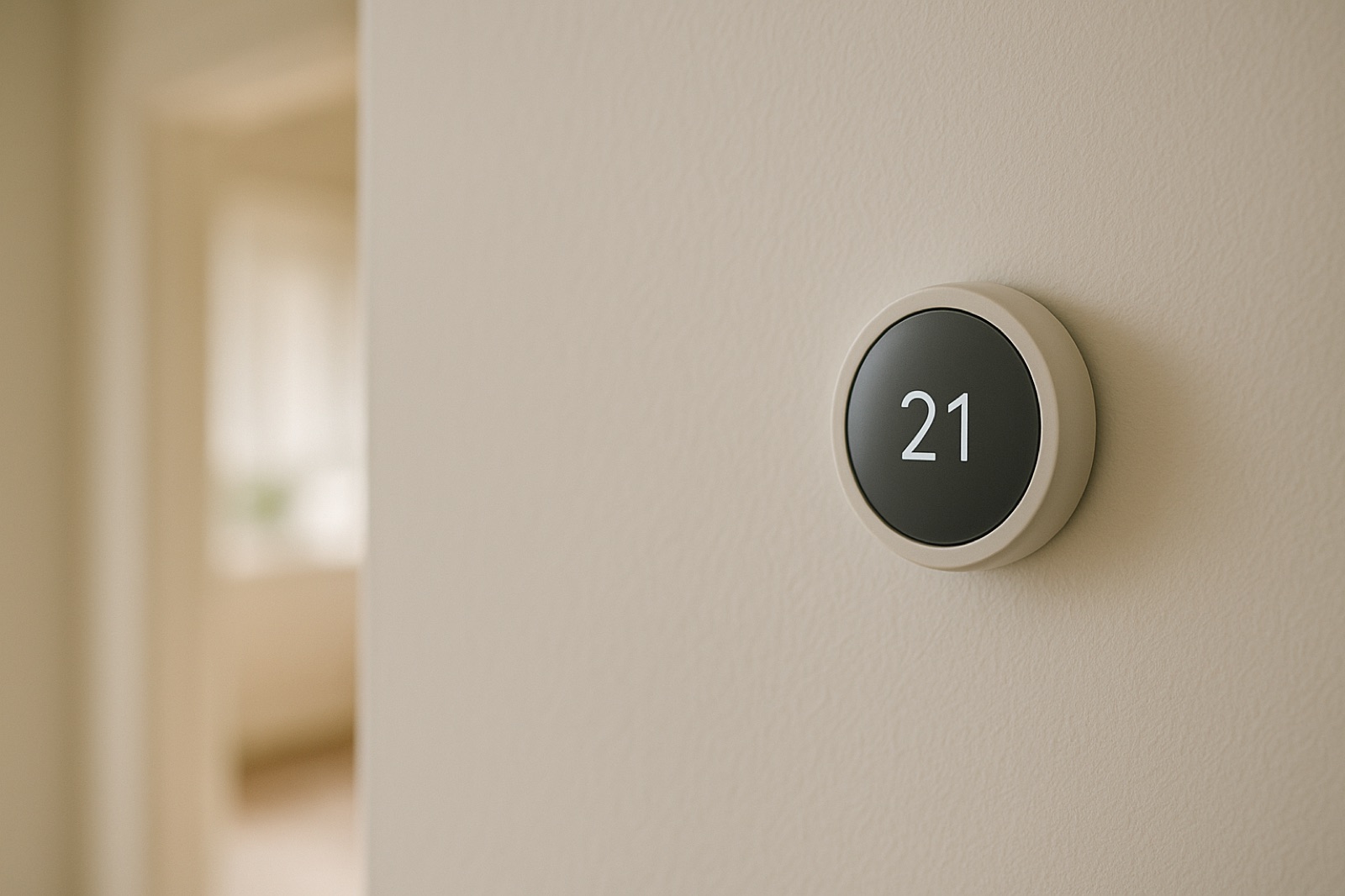
The trend toward electric heating systems in new homes is gaining traction, as indicated by recent reports highlighting a significant rise in their adoption. In 2024, electric heating reached its highest-ever share of the U.S. new housing market, with 61 percent of completed units outfitted with some type of electric system, according to data from the U.S. Census Bureau. This shift marks a notable change in how homeowners are approaching heating solutions.
Understanding the Shift
Several factors are contributing to the increasing popularity of electric heating. First and foremost is the growing emphasis on energy efficiency and sustainability. Electric heating systems, particularly heat pumps, can offer higher efficiency ratings compared to traditional fossil fuel systems. With advancements in technology, systems like ductless mini-splits and air-source heat pumps are becoming more affordable and effective in a broader range of climates.
In conjunction with these efficiency improvements, electric heating is also viewed as a way to reduce greenhouse gas emissions, aligning with broader goals of decarbonization. The Building Decarbonization Coalition has been vocal about the importance of transitioning away from fossil fuels in residential heating, and homeowners are beginning to respond to these recommendations.
Cost Considerations
While installation costs for electric heating systems can be higher than for traditional gas or oil systems, many homeowners are beginning to see the long-term savings that come from lower operating costs. Electric systems typically require less maintenance than their fossil fuel counterparts, which can significantly reduce the total cost of ownership over time.
Moreover, as renewable energy sources become more prevalent, the cost of electricity is expected to stabilize and potentially decrease, making electric heating even more attractive. With more homes generating their own electricity through solar installations, electric heating could become a cost-effective option in many regions.
Challenges Ahead
Despite its growing popularity, electric heating is not without challenges. In areas with extreme winter temperatures, the effectiveness of some electric systems can diminish. Homeowners in colder climates need to ensure that their electric heating solutions are appropriate for their specific conditions. Additionally, upgrades to existing electrical systems may be necessary to accommodate the increased load of electric heating.
Conclusion
As the housing market increasingly embraces electric heating, it is essential for homeowners to weigh their options carefully. With a practical approach to installation and a consideration of long-term energy costs, many find electric systems to be a viable and sustainable choice for their heating needs. According to ACHR News, the shift towards electric heating indicates a changing landscape in home heating preferences, driven by both environmental concerns and technological advancements.
For local service context, see a roofing contractor such as Keys Roofing.