The recent surge in electric heating systems in new homes presents both opportunities and challenges for homeowners. As more builders incorporate electric solutions, understanding the implications for efficiency, installation, and operation becomes crucial.
Electric Heating's Growing Popularity
According to a recent report, electric heating reached its highest-ever share of the U.S. new housing market in 2024, with 61% of newly built homes featuring electric systems. This shift signals a broader trend in the construction industry towards decarbonization and energy efficiency. The increased adoption of electric heating systems represents not just a change in technology, but also a response to changing regulations and consumer preferences.
Benefits of Electric Heating
Electric heating systems offer several advantages that can appeal to homeowners. First, they are often easier to install compared to traditional gas systems, making them a favorable option for new constructions. Additionally, electric systems can provide precise temperature control and are generally more efficient than older heating methods. This efficiency can lead to lower energy bills, especially in well-insulated homes.
Furthermore, electric systems can support the growing trend of integrating renewable energy sources. Homeowners with solar panels can benefit from using electricity generated on-site to power their heating systems, creating a more sustainable living environment.
Considerations for Transitioning to Electric Heating
While the transition to electric heating brings numerous benefits, homeowners need to be aware of some key considerations. First, the type of electric system chosen can significantly impact comfort and efficiency. Options include electric furnaces, heat pumps, and radiant heating systems, each offering different performance characteristics and installation requirements.
Heat pumps, for instance, are gaining traction due to their dual functionality in both heating and cooling. They work by transferring heat rather than generating it directly, making them highly efficient. However, their performance can decline in extreme cold, necessitating a backup heating source in certain climates.
Installation and Maintenance
As with any heating system, proper installation and maintenance are paramount. Homeowners should work with qualified professionals who understand the specifics of electric systems and local building codes. Regular maintenance can help ensure systems operate efficiently and pinpoint any potential issues before they escalate.
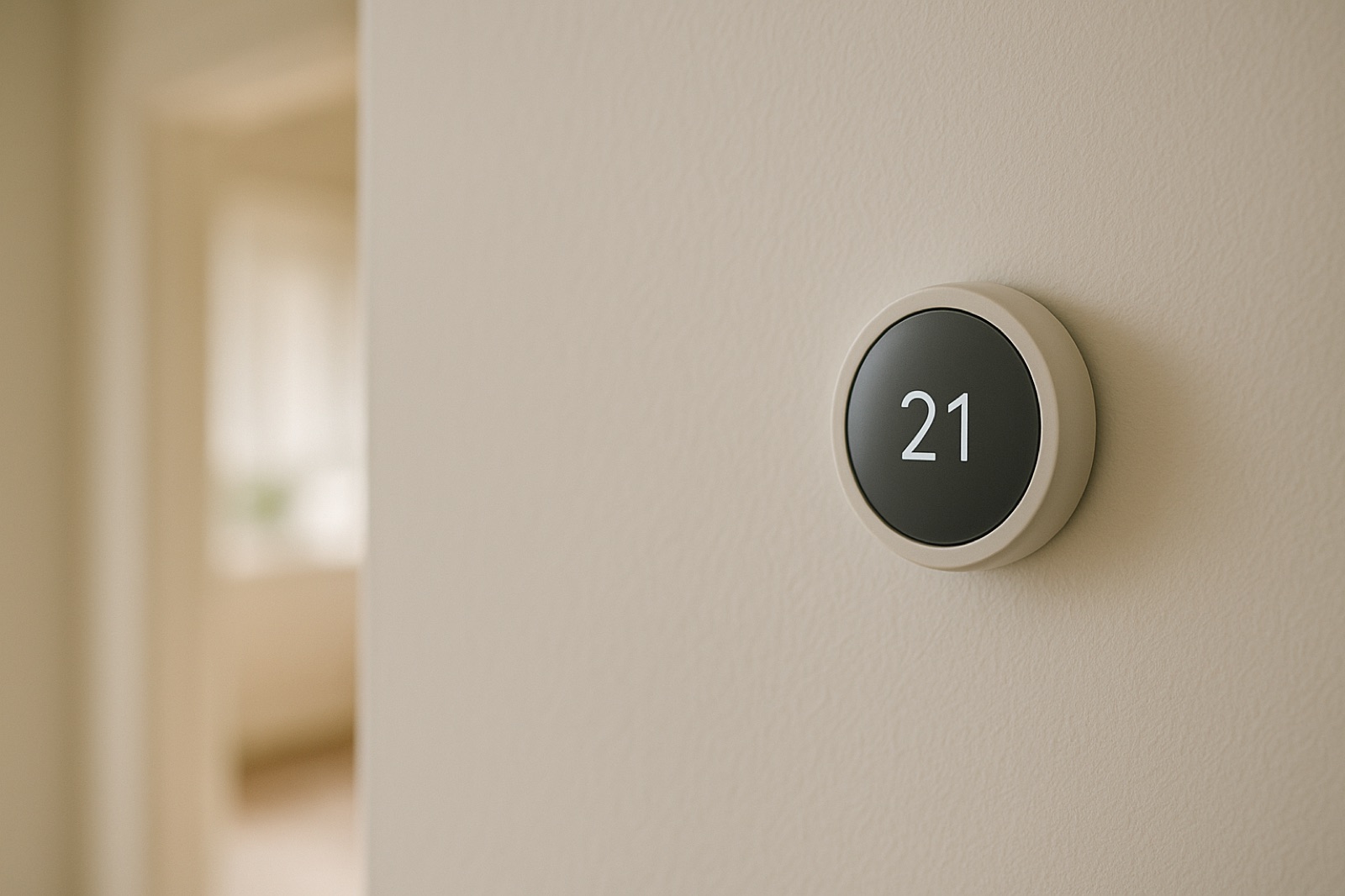
Many homeowners are also concerned about the potential for increased electrical consumption. However, energy-efficient models and smart home technology can help manage usage effectively. For example, programmable thermostats can optimize heating schedules to reduce energy consumption during off-peak hours.
Staying Informed with Industry Trends
Keeping up with industry developments can help homeowners make informed decisions about their heating systems. As reported by ACHR News, the growing acceptance of electric heating systems is driven by both market forces and government initiatives aimed at reducing carbon footprints. Awareness of these trends can help you anticipate changes in technology and regulations that may affect future heating options.
Conclusion
The shift toward electric heating represents a significant change in how we think about home comfort. While there are many benefits, homeowners must tread carefully and consider both the advantages and potential downsides of electric systems. Staying informed and consulting with professionals can help ensure the successful integration of electric heating into your home.
For local service context, see a roofing contractor such as Keys Roofing.